3D Printing and Hydroponics: Customized Solutions for Modern Indoor Gardening
Screenshot youtube.com
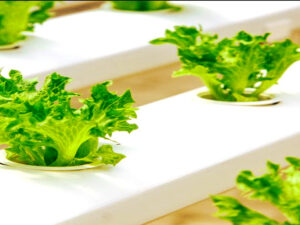
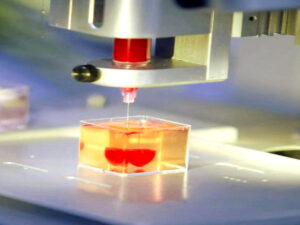
With the inclusion of 3D printing and hydroponics in the world of the apartment garden, new opportunities are opening up not only to grow plants in a limited space, but also to achieve maximum efficiency and individuality. 3D printing allows to produce fitting net pots, connectors or drippers that are precisely tailored to the respective hydroponic plant and the spatialcircumstances can be coordinated. This creates tailor-made components that not only convince functionally, but also enable the maximum space saving. Especially in small apartments, where every centimeter counts, even the smallest angle can be used with individually printed modules.
Optimization of space through creative modules
3D printing brings remarkable flexibility in the design of mounting modules. Vertical towers, wall brackets or stackable planting systems can be designed in such a way that you can make the best use of window sills, corners or even balconies. With such space-optimized solutions, an ordinary apartment is transformed into a productive and decorative garden that not only freshGreen, but also brings joy and relaxation into everyday life. The possibility of individually determining the shape and size of the modules opens up countless design variants that fit perfectly to the personal furnishing style.
Fast adjustment and continuous development
A great advantage of 3D printing in the field of hydroponics is the rapid production and adaptability of prototypes. If you want to grow different types of plants or experiment with new types of irrigation, you can continuously develop your system. Changes to root chambers, water flows or holders for plant lamps can be easily implemented. This is how he growsApartment garden with your own experiences and requirements and always stays up to date. This iterative process promotes creativity and leads to ever more effective and individual solutions.
Sustainability and repairability as a plus
In the everyday life of an indoor gardener, it happens again and again that individual components have to be replaced or repaired. 3D printing proves to be extremely helpful here, because defective components such as pump holders, nozzle holders or connectors can be reprinted quickly and inexpensively. This prolongs the life of the entire hydroponic plant and prevents unnecessary waste.Ecological aspects can also be taken into account by using sustainable filaments such as recycled PETG or PLA. The targeted design of the components with cavities or rib structures also ensures that as little material as possible is consumed when printing.
Intelligent systems through sensors and automation
With 3D printing, not only plant modules, but also housings and fasteners for sensors and controls can be designed. The integration of humidity, pH or light sensors is thus considerably simplified. Small control units, which take over the irrigation or light management, for example, find their place in precisely fitting housings and can be mounted directly on the system.This enables low-maintenance and stable hydroponics operation and ensures that the plants always thrive under optimal conditions. The combination of technology and plant culture thus becomes a fascinating element of modern home decor.
Aesthetics and individuality as part of the living ambience
An often underestimated aspect when using 3D printing in the apartment garden is the possibility of individually designing the appearance of the modules. Colors, shapes and surfaces can be coordinated in such a way that the hydroponics plant is integrated into the living space as an attractive design element. Instead of a purely functional system, an ensemble is created that is both technically andvisually delighted. Independently designed components help to give the home a personal touch and to underline your own demands on design and comfort.
The symbiosis of technology and nature in your own home
The combination of 3D printing and hydroponics offers a wealth of advantages for the apartment garden that goes far beyond practical benefits. Individually made modules, flexible design options, sustainable material use and the integration of sensor technology and automation make indoor gardening a creative and forward-looking hobby. Your own apartment willThis is a place where innovative technology and lively greenery create a whole new quality of life.

 Screenshot youtube.com