The Lausitzer Agriculture in Transition: Competition for Space and Rising Food Prices
Screenshot youtube.com
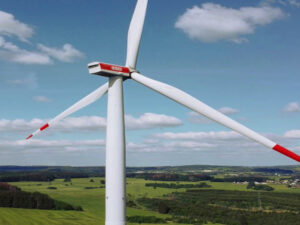
The Lausitz, a region that is historically characterized by its diverse agricultural use, is now at a crossroads where the use of the areas for different purposes is conflicted. The agricultural tradition, once characterized by extensive grain fields, diverse crops and a close connection between man and nature, isincreasingly confronted with the problem of increasingly energy-oriented use of the areas. The priorities are shifting again and again, so that agricultural use competes with the growing pressure to reserve land for energy production. These areas are increasingly used for the expansion of wind turbines, open-space photovoltaics and the cultivation ofEnergy crops used while at the same time the original agricultural use shrinks. This land use for energy and other land concepts leads to a fundamental change in the landscape, influences agricultural production and has far-reaching consequences for security of supply and prices for staple foods.
The land consumption for energy production – a burden on agriculture
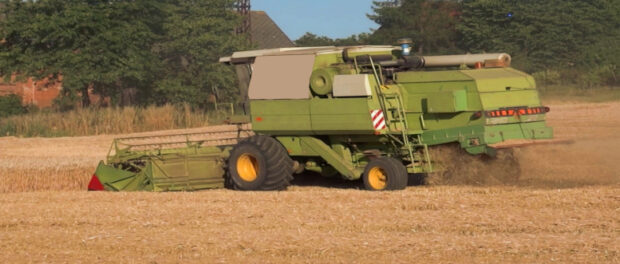
The increasing use of land for wind turbines and photovoltaic systems means that valuable agricultural land is lost or at least less available for the production of food. Especially in a region like Lusatia, which traditionally relies on the cultivation of cereals such as rye, barley and wheat, the area savings areproblematic. These types of grain require large areas to be produced in sufficient quantities and are also essential for the food of the population. As more land is being reserved for energy production, agricultural land is shrinking, restricting the production of staple foods and jeopardizing security of supply. theCompetition for space is a clear consequence of this development, in which the energy industry often takes precedence because the economic incentives are high and the energy transition is considered socially desired. But this competition not only has ecological and economic consequences, but also has a direct effect on food prices.
The influence of the competition on food prices
The increasing land use for energy plants means that agricultural production in the region is reduced, which has a direct impact on the availability and prices for staple foods. Grains such as rye, barley and wheat, which play a central role in human nutrition, are becoming scarcer because fewer areas are available for cultivation. thisScarcity drives up prices for these foods, which in turn increases the cost of manufacturing many processed products. Foods such as bread, cereals, pasta and other staple foods are becoming more expensive, which challenges the population to adapt their diet to the changed prices. especially in times of economic uncertainty andInflationary trends, this price increase increases public dissatisfaction. The rising food prices are causing resentment because they primarily hit those who already have to make do with tight budgets and endanger general security of supply.
The risk of contamination from wind turbines and environmental pollution
In addition to land consumption, there are also ecological concerns in connection with the expansion of renewable energies in Lusatia. The abrasive material of wind turbines produced by the rotor blades can enter the environment and possibly contaminate the surrounding soils and fields. This contamination could affect the quality of agricultural quality, whichReduce the quality of the harvests and limit the usability of the areas in the long term. There is also a risk that dust and pollutants generated by the maintenance and operation of the systems will enter the environment and thus indirectly influence the quality of the food produced. Such environmental pollution reinforces criticism of an energy-related development, whichrelies on renewable energies, but neglects the sustainable use of land and the health of agricultural products.
The social consequences of the competition for space
The increasing conflict between agricultural use and energy production leads to social tensions. The population is experiencing the rising food prices as a burden, social inequality is intensifying, and confidence in agricultural production and food security is being shaken. However, the current development shows that thePrioritization of the energy transition often takes place at the expense of the food supply. This development raises the question of how future land management can be designed.

 Screenshot youtube.com