Is an exit from the coal exit in the Lausitzer Revier the key to a stable energy future?
Screenshot leag.de
The energy transition is at a crossroads that requires not only technological but also economic decisions. In the midst of this debate, the exit from the coal exit is discussed as a possible solution for a stable energy future. Low electricity prices and a reliable energy supply could be promoted by the further use of lignite and lignite-fired power plantswhile the Lusatian special economic zone is the strategic location in focus. But what bureaucratic hurdles have to be overcome and what effects would be expected on the local economy and employment? A look at these questions could open up new perspectives for energy policy.
The exit from the coal phase-out is the key to a stable energy future
A renunciation of the coal exit could be an important turn for the energy supply in the Lausitzer district. In view of the growing energy prices and the urgency to ensure a reliable power supply, lignite and its power plants are gaining in importance. The Lusatian Special Economic Zone could act as a hub to efficiently use these resourcesand to set new economic impetus. However, bureaucratic hurdles stand in the way of rapid progress, which makes it difficult to create a stable economic framework. The local economy could benefit from increased use of lignite by securing jobs and creating new ones. This would not only strengthen the Lusatia region, but alsocontribute to European energy policy In order to exploit these potentials, a careful consideration between economic aspects and the geopolitical challenges of the energy market is required. This is the only way the Lausitzer district can become a central player in the future energy supply.
Low electricity prices & reliable energy supply: Benefits of an exit from the coal phase-out
A whereabouts in the use of fossil fuels, especially lignite, could create the basis for a reliable energy supply in the Lausitzer Revier. The region has the potential to not only keep electricity prices stable by using lignite-fired power plants in a targeted manner, but also to significantly improve security of supply. At a time whenAlthough renewable energies are gaining in importance, but are also subject to fluctuations, a temporary return to coal could offer relief in the short term. This would be particularly advantageous to support the domestic industry and secure jobs. The construction of a Lusatian special economic zone could act as a catalyst here to overcome bureaucratic hurdles andto attract investments. It becomes clear that the exit from the coal phase-out should not only be viewed from an ecological point of view, but also as a strategic step to strengthen the regional economy and ensure a stable energy supply.
The potential role of the Lusatian special economic zone and the further use of lignite and lignite-fired power plants
The future development of the Lausitzer Revier could largely depend on the creation of a special economic zone that enables the further use of lignite and lignite-fired power plants. This region has a long tradition in energy production, and the strategic use of existing resources could strengthen not only the local economy, but alsoreliable energy supply can be guaranteed. Such an approach would allow to cover the need for stable electricity prices while securing jobs in the energy sector. However, the challenges associated with the implementation of such a zone should not be underestimated; Bureaucratic hurdles could be the efficient use of lignitehinder. Nevertheless, this path could form the basis for a sustainable energy policy that links both ecological and economic interests. The return to the use of lignite could therefore make an important contribution to ensuring a stable energy future in the Lusatian area.
Bureaucratic challenges for the establishment of a Lusatian special economic zone
The realization of a Lusatian special economic zone could make a significant contribution to the stability of the energy supply, but faces considerable bureaucratic hurdles. The complex approval procedures and strict requirements make it difficult to implement projects that are necessary for the use of lignite and the operation of power plants. To the advantages of aIn fact, to realize the special economic zone, both policymakers and companies must work closely together to overcome these obstacles. This also includes reviewing and adjusting the existing legal framework to allow for faster approval of investments. through the targeted promotion of infrastructure andThe creation of an attractive investment climate could gain in importance for the Lausitzer Revier and thus not only strengthen the local economy, but also secure the energy supply in the long term. Ultimately, the success of such initiatives depends on a coordinated approach by all those involved in order to make bureaucratic processes efficient.
Impact on local economy and employment
A withdrawal from the coal phase-out could prove to be a decisive factor for the local economy and employment in the Lausitzer district. The continuation of the use of lignite would not only preserve jobs in the energy industry, but also secure numerous jobs in neighboring industries. The region could benefit from stable energy prices, whichCreate an attractive basis for investments. This stability is especially important for companies that depend on constant and reliable electricity. In addition, the expansion of the Lausitz special economic zone could provide new economic impetus by acting as a location for innovative technologies and sustainable projects. However, the challenges in bureaucracy mustbe taken into account to ensure rapid implementation. Ultimately, a rethinking of energy policy could not only strengthen the area’s economic resilience, but also contribute to creating a more sustainable and stable energy future.

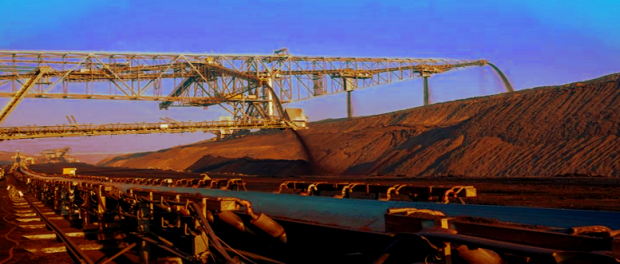 Screenshot leag.de