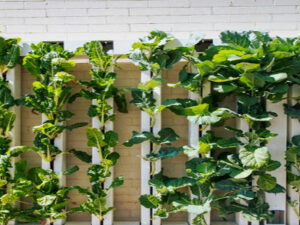
Tropical citrus plants as potted plants in Lusatia
Screenshot youtube.com
The cultivation of tropical citrus plants in Lusatia presents particular challenges due to the Central European climate. Nevertheless, these plants are becoming increasingly important as attractive and exotic potted plants, as they not only have a convincing visual impression, but also bring a touch of Mediterranean flair to local gardens and interiors. In the following, thePrerequisites for a successful posture, suitable species and care tips are presented, which make it possible to let these sensitive plants also thrive in the cooler region of Lusatia.
Climate and location conditions in Lusatia for citrus plants
The Lusatia is characterized by a temperate climate with cold winters and moderately warm summers, which is a challenge for many tropical plants. Winter temperatures can often fall below freezing, which is why year-round outdoor culture is almost impossible. Therefore, protected locations that offer a lot of sunlight and are ideal for citrus plants are ideal for citrus plantsare shielded from cold winds. Ideally, the potted plants stand on bright house walls or in greenhouses to minimize temperature fluctuations and create a microclimate as Mediterranean as possible. Choosing the right substrate and good drainage also play a crucial role in avoiding waterlogging and keeping the roots healthy.
The Lemon: Characteristics and Cultivation in Buckets
The lemon (Citrus limon) is one of the most popular and most cultivated citrus plants in the bucket. It impresses with its bright yellow fruits and the intense scent of its flowers, which not only visually but also olfactory spread a Mediterranean charm. For successful cultivation in the bucket, the lemon needs a bright, sunny location, ideally withAt least six hours of direct sunlight daily. During the growing period, attention should be paid to regular but moderate irrigation, whereby waterlogging must be avoided to prevent root rot. In winter, it is advisable to move the plant to a frost-free place, for example, to an unheated greenhouse or a cool, bright interior.Growth can be controlled and fruit formation can be promoted through targeted pruning. A nutrient-rich substrate with good drainage is just as important as regular fertilization during the growing season to ensure a rich harvest.
The Kumquat: Special features and care instructions
The Kumquat (Fortunella spp.): Special features and care instructions The Kumquat differs from other citrus plants in their small, ovoid fruits, which can be eaten with the peel and have a sweet-sour taste. It is relatively robust and is considered one of the more cold-resistant citrus species, which makes it particularly interesting for cultivation in Lusatia. yetThe Kumquat also requires a bright location with sufficient sunlight and a well-drained soil to avoid root rot. Watering should be evenly, whereby dry phases can be tolerated in between. In winter, a frost-free, cool location with good air circulation is recommended to prevent fungal diseases. By regular pruningKeep the plant compact and intensify the formation of fruit. In addition, the Kumquat benefits from a balanced administration of fertilizers during the growing season to ensure healthy growth and a rich harvest.
The Mandarin: Cultivation and wintering in the bucket
The Mandarin (Citrus reticulata): Cultivation and wintering in the bucket The mandarin is a popular citrus fruit for local cultivation due to its sweet aroma and light peeling work. In the bucket, it thrives best in a sunny, wind-protected place that offers as much direct light as possible. During the growth phase, the mandarin needs regular watering,Waterlogging should be avoided at all costs. A well-drained substrate with good nutrient supply supports healthy growth and fruit formation. For overwintering, a bright, frost-free room with cool temperatures between 5 and 10 degrees Celsius is recommended to promote the plant’s natural resting cycle. Occasional airing prevents accumulation ofmoisture and prevents fungal infestation. A targeted pruning after harvest can keep the growth in shape and strengthen the plant for the coming season.
The bitter orange: use and challenges in keeping
The bitter orange (Citrus aurantium) is valued mainly for its aromatic shell and as a basis for jams and liqueurs. In a bucket cultivated, it needs comparable site conditions as other citrus plants: a bright, sunny place with well-drained substrate and regular but moderate irrigation. Due to its slightly higher sensitivity to coldEspecially in winter, you should pay attention to a frost-free and well-ventilated room. The bitter orange benefits from a cut back after the fruit harvest to preserve the growth form and to promote flowering for the next year. In addition, attention should be paid to a balanced supply of nutrients in order to strengthen the resistance to diseases.
The Kaffern Lime: Sophisticated tropical citrus plant for hobby gardeners
The Kaffern Lime (Citrus Hystrix) is best known for its highly aromatic leaves, which are widely used in Asian cuisine. Due to its tropical origin, it places high demands on temperature and humidity, which is why it must be cultivated particularly carefully in Lusatia. A warm, bright location with the highest possible humidityessential to ensure healthy growth. Watering should be done regularly, but in doses, waterlogging must be avoided at all costs. During the winter months, the Kaffir lime requires a frost-free and well-ventilated room with temperatures of around 15 degrees Celsius to prevent damage from exposure to cold. Targeted pruning supports the branching and promotesThe formation of leaves, which means that the plant prepares itself optimally for culinary use. In addition, chevron lime is regularly fertilized, especially during the growth phase, in order to strengthen its vitality and resistance to pests.
General care tips for tropical citrus plants in Lusatia
Regular ventilation and an adapted humidity are particularly important in the winter months to prevent the formation of mold and fungal diseases. Care should be taken to ensure that the temperatures do not fluctuate too much, as this also stresses the plants. The use of special citrus fertilizers with a balanced ratio of nitrogen, phosphorusAnd potassium supports growth and promotes flowering and fruiting. It is also advisable to check the plants regularly for pests such as aphids, spider mites or white flies and to take suitable measures at an early stage in the event of an infestation. This careful care can increase the resistance of tropical citrus plants and a successfulEnsure sustainable cultivation in Lusatia.
Overwintering and protective measures for citrus plants in the bucket
Careful preparation is essential for the hibernation of citrus plants in the bucket. Before putting them in the frost-free space, the plants should be thoroughly examined for pests and diseases and treated if necessary. A pruning before winter not only reduces the volume of the plant, but also promotes vitality in spring. During the winter monthsIt is important to ensure that the plants receive sufficient light, otherwise the shorter daylight duration can lead to growth disorders. Controlled irrigation, tailored to the reduced water needs of plants during the resting phase, prevents waterlogging and root rot. The combination of cool temperatures, good air circulation and adapted humidity createsOptimal conditions for a healthy stay in winter and prepares the citrus plants ideally for the coming growing season.
Which tropical citrus fruits are best for Lusatia?
In practice, the Kumquat and the mandarin have proven to be particularly suitable for cultivation in Lusatia. Their greater cold resistance and adaptability to changing lighting conditions facilitate care and increase the chances of success for hobby gardeners in this region. While the Kumquat scores with its edible shell and the unique taste,The mandarin convinces with its sweet aroma and comparatively easy handling. The bitter orange and the kaffer lime, on the other hand, require more maintenance and more precise site conditions, which is why they are more recommended for experienced citrus lovers. Overall, a careful selection of the plant species, tailored to the local conditions and theIndividual care ability, crucial for a successful cultivation of tropical citrus plants in Lusatia.

 Screenshot youtube.com