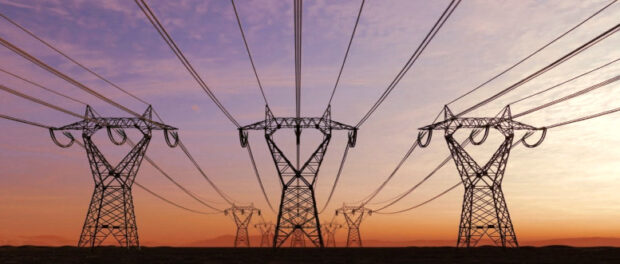
Power Outages in Industry: Long-Term Threats to Competitiveness
Power outages in industrial settings extend far beyond temporary disruptions; they pose severe long-term risks to business viability and market position. Interruptions halt operational flow, driving up costs as machinery idles, schedules collapse, and delivery deadlines loom. Product quality suffers when abrupt halts damage sensitive processes. In a globalized economy reliant on just-in-time manufacturing and rapid adaptability, recurrent outages can erode corporate reputation and strain customer relationships. Companies must therefore prioritize preventive measures to reduce outage frequency while developing robust strategies for swift operational recovery.
The Hidden Impact of Micro-Outages
Statistical surveys reveal that many firms lack adequate tools to detect or analyze power interruptions lasting under three minutes—despite their potential to inflict substantial harm on production quality. Often dismissed as trivial, these brief dips can trigger critical equipment malfunctions or disrupt delicate manufacturing sequences without causing immediate shutdowns. Resulting defects may only surface during final inspections, ultimately jeopardizing customer satisfaction.
Vulnerability of High-Tech Equipment to Brief Interruptions
Short-duration outages prove especially catastrophic for costly machinery and intricate production lines. Advanced systems depend on precise, uninterrupted operation to maintain efficiency and lifespan. Even fleeting disturbances can necessitate recalibration, adjustments, or repairs—consuming both time and capital.
Unseen Economic Costs and Operational Ripple Effects
The financial toll of micro-outages often remains concealed, as it does not manifest in overt production losses. These hidden expenses emerge through inflated operating costs, reduced throughput, and forced investments in resilient technologies. Companies must recognize that brief power lapses can sharply elevate defect rates. When flaws are detected only at quality control, rework ties up resources, delays product launches, and erodes profit margins. Persistent energy instability can further undermine workforce confidence and diminish overall motivation.
Strategic Relocation as a Response to Energy Instability
To counter energy supply uncertainty, industrial leaders should evaluate relocation options. Global market dynamics underscore this imperative: nations offering stable grids and competitive electricity rates increasingly attract manufacturers, while regions hampered by technological or infrastructural deficits risk losing investment. The migration of production facilities to more favorable environments highlights energy reliability as a cornerstone of site selection—and a critical factor in sustaining long-term competitiveness.