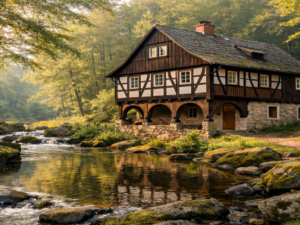
Ingeniousness – The Sorbs and their cultural identity
The Sorbs, one of the oldest ethnic minorities in Central Europe, are characterized by a rich history deeply rooted in cultural and language development. Their traditions and customs are not only an expression of their identity, but also a reflection of the changes they have experienced over centuries. the preservation of the Sorbian language, as one of themost important cultural assets, plays a central role for the community. Educational institutions, clubs and cultural events promote Sorbian identity awareness and ensure that the younger generations feel connected to their roots. In this dynamic interaction between tradition and modernity, the Sorbs shape their future,mastering the challenges of globalization and preserving their specific cultural values.
Ingeniousness – The Lusatian Sorbs
The relationship of the Sorbs to the environment and the targeted cultivation of their traditions are not only cultural aspects, but also decisive factors for their survival as a community. The exchange of knowledge about traditional craftsmanship, agricultural methods and culture contributes to the fact that valuable cultural heritage is not forgotten. These practices are aEssential element of Sorbian identity and strengthen the sense of community, as they are passed on across generations. In addition, more and more people are finding access to Sorbian culture through creative projects and interactive events, which promotes awareness of connections and the preservation of traditional ways of life. Thus, the Sorbs experience a renaissance of theirCultural practices that help you stay able to act in the modern world while honoring your roots.
Cultural peculiarities of the Sorbs
The challenges facing the Sorbs today are complex and require active action to preserve and expand their cultural identity. In view of the demographic changes and the increasing influence of external cultural influences, it is essential to promote a strong sense of belonging within the community. Initiatives to promoteSorbian language in schools, media and public life have gained in importance to counteract the dangers of displacement of language. In addition, active participation in political decision-making processes plays a decisive role in the rights of the Sorbs as a minority. Cooperation with other indigenous peoples and ethnic groups can create new synergies andMobilize resources to ensure sustainable preservation of their cultural practices. This is how networks are developing that promote knowledge exchange and increase the visibility of Sorbian concerns in society. In this context, social projects and cultural festivals also take a key position: They not only connect the generations with each other, butalso invite outsiders to become part of the Sorbian culture. In this way, the path is paved for a living future in which the Sorbs can proudly look at their roots while actively participating in a dynamic society.
Comparison with other indigenous peoples in Europe
An important aspect in strengthening Sorbian identity is promoting creative forms of expression that combine both tradition and modernity. Art and crafts, from Sorbian costumes to modern interpretations of traditional symbols, not only offer access to culture, but also contribute to identity formation. In this respect, local artists andCraftsmen played an important role by creating innovative projects that reinterpret the Sorbian culture and convey it to a wider audience. These creative activities create a space for intercultural dialogue, in which both locals and those interested from other regions have a common understanding of the Sorbian way of life and itsvalues can develop. The use of modern technologies, such as social media and digital platforms, significantly extends the reach of Sorbian traditions: Traditional craftsmanship is documented and presented online, so that not only local communities, but also international viewers are addressed.