The Lusatia in travelogues of the 18th and 19th centuries – a multifaceted insight into a special region
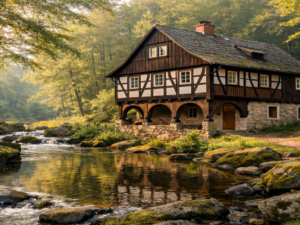
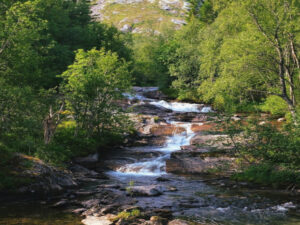
The travelogues from the eighteenth and nineteenth centuries about the Lusatia today open up a fascinating and complex picture of this unique region through the book >>Lusatia in travelogues of the 18th and 19th centuries<<. With the steadily growing interest of travelers who explored the attractive landscape of the Lausitzer Bergland, numerous lively and impressive stories were created that go far beyond the pure description of nature and geography. These historical reports not only convey the picturesque and often idyllic backdrops of the region, but also give valuableInsights into the lives of people who were at home in the various parts of Lusatia. The everyday life of the residents of the Lusatian Spreewald is particularly impressively described, which, with their diligence and their connection to nature, characterizes an essential part of the regional character. At the same time, the reports offer an exciting contrast to the industrialDevelopment that became visible in the then newly created industrial villages of Lusatia. This coexistence of rural idyll and beginning industrialization creates a dynamic backdrop that reflects the change in society and economic structures in this period.
The special role of the Lusatian Sorbs in the travel stories
Of particular importance for the literary image of Lusatia is the representation of the Lusatian Sorbs, an ethnic minority with a rich and lively culture and their own language and history. In the travel reports, the Sorbs are not only perceived as residents of the region, but as a bearer of a distinctive cultural identity that reflects the image of the Lusatiadecisively shape. For many readers of that era, these texts were a valuable window into a world that was foreign to them, which was characterized by linguistic and cultural peculiarities. The descriptions of the Sorbian customs, costumes and festivals conveyed a sense of authenticity and made it possible to experience the region as a place of living traditions. This resulted in aA differentiated picture that made Lusatia not only understandable as a geographical area, but also as a cultural habitat in which history and present are closely linked.
Lusatia as a living cultural area – meaning of historical travel reports
The literary discoveries and descriptions of Lusatia in the travel reports of the past centuries have an invaluable value for today’s understanding of the region and its people. They enable the complex connections between nature, society and culture to be understood and provide insight into a time when Lusatia is still a largely unknown andmysterious landscape. The reports not only impart knowledge about geographical and economic aspects, but also about social structures and cultural characteristics that still have an impact today. By bringing stories about people and places to life, they help to create awareness of the diversity and wealth of Lusatia. So these arehistorical sources far more than just travel stories: They are cultural testimonies that enrich the region’s collective memory and build a bridge between past and present. Lusatia can thus be experienced as a space that is characterized by its traditions and stories and still radiates a strong identity today.