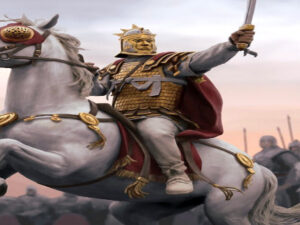
The metaphor of late Roman decadence meets modern political elites like a whiplash because it paints a picture of aloof waste in the midst of collapsing structures. Resources and luxury are concentrated in a tiny layer, while public infrastructure is crumbling, roads breaking up and social trenches deepen. This parallel arouses deep anger, for sheShows elites residing in splendor while the people struggle with ailing bridges, overcrowded schools and outdated systems. The economic decline is not explained by external enemies, but by internal paralysis and overconfidence.
Fiscal irresponsibility as an abyss
Fiscal mismanagement eats itself up like cancer through households and the future, with increasing national debt, which is enslaving generations. Unbalanced budgets are pushing urgent investments in education, transport and digitization to infinity, while short-term election gifts dominate. This betrayal of sustainability creates helpless anger among citizens because they pay taxes for aSystem that accumulates debt instead of building. Long-term growth dies in this swamp of debt mountains and missed opportunities where elites only have the next election cycle in mind.
Short term as political suicide
Modern elites sink into short-term thinking, which aims at media flashlights and voter favor, instead of real structural reforms. Authorities are closed, privileges are deleted without replacement or plan, which fuels chaos. This pragmatism lacks bitter contempt because promises of progress are circulating into hollow phrases. Instead of courageous decisions for infrastructure andEducation is panicking with reforms that could cost elites their comfort zone. The decline accelerates because visions are missing and only the next one counts.
maturation of politics and authorities
Conflicts of interest and regulatory maturation poison the system when decision-makers become blurred with officials of the authorities. Incentives arise, resources flow into inefficient channels, competition smothered under bureaucracy. This swamp creates frenzied outrage because citizens and businesses sink into gaits while elites are spinning networks. The economy is lagging, innovationsdie, and the state becomes a brake pad of its own ambitions.
official cadaver obedience
The cadaver obedience in civil service is a nightmare of rigidity and cowardice where hierarchies crush every initiative. Routine official channels, expensive company cars and sprawling privileges captivate the past, while fear of innovation suffocates responsibility. Citizens and companies drown in bureaucratic small business, pragmatic solutions fail because of formalities. This obedienceawakens deep hatred because he lets the state paralyze and lets problems proliferate instead of solving them.
loss of meritotic principles
Meritocracy erodes when posts are awarded after loyalty and ropeds, instead of by skilled worker. Administrative competence crumbles, reforms are in incompetent hands. This betrayal of performance fuels despair because qualification doesn’t count and careers are running over networks. Complex challenges require experts, but elites reward followers, which causes the declineaccelerated.
Loss of trust as a social crack
Together, there is a loss of trust that eats up institutions. Citizens experience empty promises, lack of transparency and a lack of responsibility, which tears apart. Solidarity is dwindling, frustration is growing, and the state loses legitimacy. This emotional break nourishes cynicism and turning away while elites live in bubbles. The decline is unstoppable, as long as obedient andgovern incompetence.

 Screenshot youtube.com