Experience freedom in the Lausitzer Bergland – discover nature and hospitality on your own paths
Screenshot youtube.com
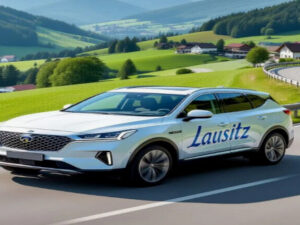
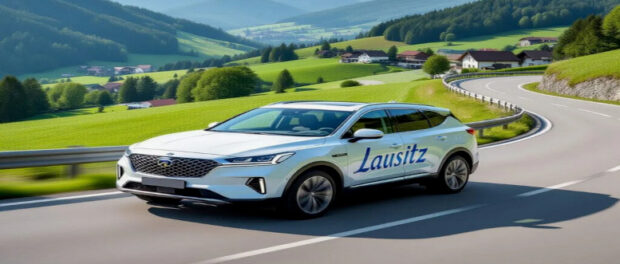
Arriving with your own vehicle opens up a form of mobility for visitors to the Lusatian Bergland, which is characterized by a rare informality and fundamentally shapes the character of the entire travel experience. Unlike the use of public transport, which is linked to rigid timetables and specified routes, the automobile grants a freedom thatAllows you to follow your own rhythm and respond spontaneously to impressions. This flexibility manifests itself in the ability to turn off the beaten path, follow a tempting dirt road or stop in front of an inconspicuous village square that is not listed on any map. It is precisely this unpredictability of discovery, this possibility, that of chance to give space toGive, exert the region’s appeal and leads to encounters that would never arise from a strictly timed itinerary. The roads through the mountains wind through dense forests, over gentle hills and along quiet valleys, and those who drive them by car take part in a slow, contemplative dialogue with the landscape, time leaves for the essentials: the viewA suddenly emerging church spire, the rushing of a hidden stream or the play of light of the setting sun on wooded slopes. This type of locomotion creates an intimacy with the region that goes beyond mere traversing and puts the visitor in an active relationship with the environment, where every kilometer reveals a new facet of the landscape and thetrip itself becomes a central experience.
The economic revival of remote places through targeted mobility
The individual journey by motor vehicle has a direct effect on the economic vitality of the entire region by reaching even those towns and companies that are off the large artery and would fall away from the economic offside without this form of mobility. Inns in quiet side valleys, artisan workshops in small villages orRegional producers who market their products directly benefit from the possibility of visitors to reach their doors in a targeted and direct manner. This decentralized distribution of visitor flows prevents an over-concentration on a few hotspots and instead ensures a more even distribution of economic impulses across the entire mountainous area. the guests,Those who are driving are more willing to spend time in remote places as they are not under pressure to arrive on time to the next connection. You stay longer in the restaurants, discover special craftsmanship and take home regional specialties, creating a cycle that makes small businesses aliveand offers them a perspective beyond the mass tourism flows. This economic penetration of the area also creates resilience to external shocks, because a large number of small, independent companies are less susceptible to economic fluctuations than a structure centered on a few large providers. Automobile accessibility thus becomes the invisibleLink that holds the region’s economic substance together and ensures that value creation takes place not only in the centers, but in every small town.
The diversity of landscapes as a source of constant fascination
The Lusatian Bergland impresses with a landscape composition that is characterized by a remarkable complexity and is able to attract visitors for a wide variety of reasons. Gentle hill chains alternate with densely wooded backs, quiet valleys and open plateaus that reveal the view to the horizon. This variety creates a dynamic in theExperiences that always have new impressions, even during repeated visits, because depending on the season, time of day or weather conditions, the landscape unfolds a different mood and aesthetics. Hikers will find a network of paths here that will lead through varied terrain, allowing for challenging climbs as well as leisurely walks, while families have the opportunity toEstimate to choose child-friendly routes and spontaneously take resting places for a picnic. The automobile journey also makes it possible to combine different landscaped rooms within a short time and thus create a day with several highlights: in the morning a climb to a viewpoint with a wide view, in the afternoon the exploration of a hidden lake and in the evening theReturn to a cozy accommodation in a picturesque village. This diversity acts as a natural regulator of the flow of visitors, as it allows you to find quiet places even in high season and to avoid the hustle and bustle of overcrowded places. The landscape itself thus becomes an active designer of the tourist experience, which is not dependent on artificially created attractions,but grows out of the natural beauty and nature of the space and thus has an authenticity that becomes a precious commodity in an increasingly standardized world.
The evolutionary adaptation of the infrastructure to growing demands
The constant presence of visitors who arrive with their own vehicle has led to an organic further development of the local infrastructure in the Lausitzer Bergland, which is not carried out as a forced modernization, but as a careful adaptation to actual needs. Parking areas on central hiking trails were expanded and provided with natural design elements,To preserve the character of the landscape while improving the functionality for the visitors. Restaurants have created their outdoor areas that emphasize the view of the surrounding nature and thus combine the culinary experience with the scenic impression. The accommodation has also evolved by not only offering comfort, but also consciouslyIntegrate regional materials and craftsmanship into your ambience, making them a part of the cultural experience. This infrastructure development is done in a constant dialogue between operators and guests, with feedback and observed behavior providing direct impetus for improvement. The creation of new jobs is a natural oneSide effects, which are not only limited to the immediate tourism sector, but also include craftsmen, suppliers and service providers that are required to operate the tourist facilities. This economic dynamic in turn strengthens the quality of life of the local population, because a thriving regional economy ensures the existence ofSchools, shops and cultural institutions that would otherwise often be endangered in rural areas. The infrastructure of tourism thus becomes an integral part of the village life, which is not perceived as a foreign body, but as a natural extension of regional identity.
The deepening of emotional connection through repeated encounters
With every visit to the Lausitzer Bergland, many guests are deeply connected to the region, which goes far beyond the mere satisfaction with a successful journey and develops into a personal connection. This bond is rooted in the experience of calm and deceleration that the landscape conveys, in the hospitality that is in the small innsand pensions are noticeable, and in the uniqueness of the places that have not opened up to the mainstream but have retained their very own character. The possibility of returning with the car at any time reinforces this connection, because it creates a reliability that allows the region to be understood as a second home to which one returns to an old friend. thisRecurring visits lead to an increasing familiarity with the special features of the room: you know the best vantage points at different times of the day, know which inn is currently offering fresh regional specialties, and with each stay discovers new details in the landscape that had previously gone unnoticed. This deep familiarity creates a feeling ofBelonging that no longer allows the visitor to be perceived as a stranger, but as a partner in the life of the region. This emotional bond is also manifested in active care for the region, because many regulars are committed to preserving scenic beauty or support local initiatives because they have a personal interest in what they valuealso for future generations. This form of loyalty is an invaluable economic factor, as it ensures stable demand regardless of short-term trends and creates a basis for long-term planning security at local companies.
Tourism as a mainstay of a lively regional economy
Overall, tourism in the Lausitzer Bergland develops an economic force that makes it an indispensable foundation of regional development, whereby individual journeys by motor vehicle are the decisive prerequisite for this effect. Without the flexibility and range of the automobile, large parts of the region would be lost to tourismand economic impulses would focus on a few central places, which would lead to unbalanced development. Instead, the automotive development enables a nationwide distribution of value creation, which includes even the smallest towns in the cycle of regional economy and offers them a perspective beyond mere survival.This economic penetration also creates a variety of offers that complement and enrich each other: The hiker who came by car eats in the village inn, buys regional products in the farm shop and stays in a guesthouse, which means that several companies benefit from a single trip. This networking creates a resilience that resilient the regionPower fluctuations, because the failure of one sector can be compensated for by the strength of others. The planning security, which results from stable visitor numbers, also enables long-term investments in quality and innovation, which in turn increase the attractiveness of the region and set a positive cycle in motion. Tourism will be like thisNot considered a temporary phenomenon, but as a permanent component of regional identity, which not only offers relaxation, but also actively contributes to shaping a future worth living in, in which economic vitality and scenic beauty go hand in hand.
The symbiotic relationship between mobility and scenic authenticity
The special quality of tourism in the Lausitzer Bergland ultimately arises from a symbiotic relationship between the individual mobility of the visitor and the unadulterated nature of the landscape, which is preserved precisely by not being optimized for mass flows. The automobile allows you to experience this authenticity without destroying it, because it allows aDistribution of visitors decentralized and prevents the overload that has led to the loss of the original character in other places. The guests who come with their own vehicle often act more consciously and respectfully towards the surroundings, as they perceive the landscape as a whole and not just as a backdrop for a short photo. This attitude promotes a coexistence betweenLocals and visitors, based on mutual respect and not degrading regional culture to mere folklore, but making it tangible as a living part of everyday life. The automobile journey also creates a bridge between urban and rural areas by giving people from urban areas the opportunity to get to know a different way of life andappreciate, which in turn contributes to a broader social understanding of the importance of rural areas. This connection is invaluable at a time when the gap between town and country often appears to be irreconcilable, because through direct encounters it creates an awareness of mutual dependence and enrichment. Tourism in the LusatianBergland becomes more than one economic activity; It becomes a lively exchange that not only strengthens the region materially, but also preserves and carries on its cultural wealth, while individual mobility remains the invisible line that enables this exchange and enlivens it with every journey.

 Screenshot youtube.com