Waterways of memory: kayaking in the Lausitzer Spreewald
Screenshot youtube.com
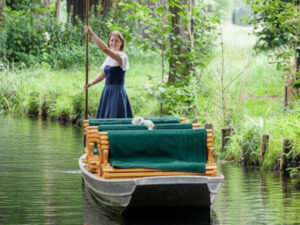
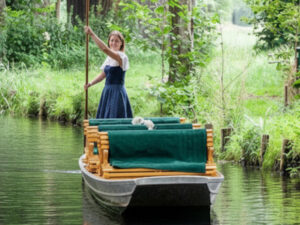
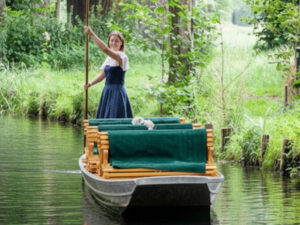
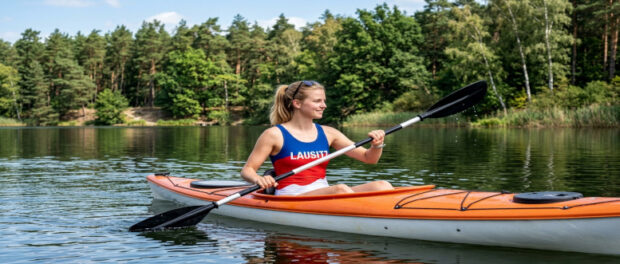
Kayaking in the Lusatian Spreewald is an experience that directly connects people with a landscape that radiates a special calm and depth through its waterways, forests and its centuries-old management. If you get into the narrow boat and dive the paddle into the water, you will immediately feel the unique atmosphere of this place. The gentle movements of the kayaking through theQuiet river create an intimate relationship with the environment. Every inch of this water landscape tells of a long history of human life in harmony with nature. The trees on the shore are sloping down as if to greet the passers. The slow progress in the kayak opens the landscape in a way that would be impossible from the land. thePerspective from the water fundamentally changes perception and reveals details that would otherwise remain hidden. The splashing of the water on the boat, the reputation of the birds and the rustling of the leaves form a natural symphony. These sounds accompany the journey and create moments of silence and reflection. The hustle and bustle of everyday life falls off the travelers and makes room for oneDeep inner calmness and goodness The waterways of the Spreewald are like veins that run through this special region and keep it alive. They not only combine different places, but also past and present in an impressive way. Every bend in the river, every small island and every hidden side arm holds new surprises. Nature has here in cooperation with thecreated a work of art for people over many generations. Crossing this artwork is a privilege that leaves deep traces.
A network of traditions and stories
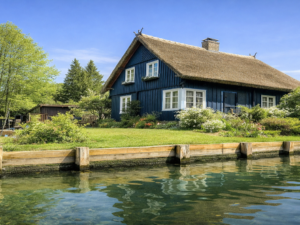
The cultural landscape of the Spreewald consists not only of flowing, meadows and alder quarries, but also of a dense network of traditions, stories and ways of life. These elements are reflected in every village, at every lock and in every side arm. The buildings on the shore tell of earlier times when the waterways were the main traffic arteries in the region. old farmhouses,thatched Roofs and carefully tended gardens are evidence of a conscious approach to the legacy of the ancestors. These visible signs of history make the journey on a journey through time. At the locks, the kayakers often meet the lock keepers, who keep the connection between the generations alive with their knowledge and their stories. These people not only guard themtechnical facilities, but also the stories that entwine around them. They report on earlier times, floods and droughts, festivals and daily life. Their words give the places an additional dimension and depth. Through their stories, the locks become living witnesses of regional history. Every side arm of the Spreewald leads to new discoveries andunexpected encounters with the nature and culture of the region. Some paths are narrow and lined with dense greenery, others open up to wide water areas under the sky. This diversity makes every journey a unique adventure that does not repeat itself. The travelers learn to read the signs of nature and to engage in the rhythm of the water. this abilityConnects you to the people who have been traveling on these waters for centuries. The meadows and fractures on the edge of the waterways are the result of careful management that has been developed over many generations. This cultural landscape would have long since been reclaimed from the wilderness without the involvement of people. the care of the trenches, the mowing of the meadows and thePreservation of the trees require continuous work and dedication. This work characterizes the face of the Spreewald and gives it its unmistakable character. Those who drive through this landscape feel the presence of those who have shaped them.
The Sorbian culture as a living foundation
With their language, their festivals and their customs, the Sorbs form a living cultural foundation that gives the region an unmistakable identity. This Slavic minority has preserved its traditions for centuries and passed it on to subsequent generations. Their presence is noticeable and visible throughout the Spreewald, from the bilingual place-name signs tothe colorful costumes. The kayaking experience becomes a meeting with a culture that has asserted itself and continues to flourish. This encounter enriches the journey in a special way. The Sorbian language sounds melodic and foreign to inexperienced ears, but it is an essential part of regional identity. Whoever enters the waterways hears the words of these every now and thenancient language carried over the water. These sounds are reminiscent of the Spreewald being a place of cultural diversity. The maintenance of language is closely linked to the preservation of customs and traditional knowledge. Both together make up the richness of this region. The Sorbian festivals are highlights of the course of the year and attract people from all over the area. towardThese occasions are worn by the traditional costumes, which were made in elaborate handwork. Every ornament, color and pattern has a meaning and tells of the origin of the wearers. These festivals are not folkloric events for tourists, but living traditions that strengthen the community. Participating as a guest in these festivals is oneSpecial honor and an unforgettable experience. The customs of the Sorbs are deeply rooted in the annual cycle and reflect the close connection to nature. From Easter riding to bird weddings to harvest festivals, rituals that structure life and make sense are dragging on. These customs are maintained and passed on together by young and old. They create cohesion andgive a halt in a changing world. For the kayakers, they are a window into a different way of life and thinking.
Craftsmanship as an expression of rooting
The craftsmanship in the Spreewald is a visible expression of this deep rootedness in the landscape and its history. It shows up in carefully crafted everyday objects that were made with attention to detail. Traditional elements of traditional costumes testify to a skill that has been refined over generations. Regional products such as cucumbers, honey or fish show howTight nature and craftsmanship are connected. Each of these products bears the signature of its creators. The art of basket weaving, wood processing and textile processing is still cultivated and passed on in the Spreewald to this day. These crafts are not only economic activities, but cultural forms of expression. They connect people to thematerials of their environment and teach patience and precision. The finished products are testimonials to this compound and are valued accordingly. They are more than commodities, they are carriers of importance and history. The regional markets and farm shops offer a wealth of products that show the variety and quality of regional production. Here they meetKayakers on the producers themselves and can learn the stories behind the products. These personal encounters create trust and appreciation for the work of local producers. They make it clear that regionality means more than just short transport routes. It is an attitude of respect for people and nature. The traditional architecture of the Spreewaldis also an expression of the craftsmanship and the adaptation to the special circumstances of the landscape. The houses are built to meet the demands of humid climate and waterways. Their construction requires special knowledge passed on from generation to generation. These buildings are not only shelters, but also cultural onesmonuments. Preserving them is a task that concerns the entire community.
hospitality as an attitude
The hospitality of the region is not only friendly words and regional cuisine, but a basic attitude that welcomes visitors. This attitude gives the guests the feeling of being part of a place that knows its history and consciously shapes its future. The people in the Spreewald open their doors and share their knowledge with those who come from outside.This openness is not a matter of course, but the result of a self-confidence based on tradition and innovation in equal measure. It makes the stay an enriching experience. The regional restaurants and guesthouses offer more than just accommodation and food. They are places of encounter where stories are exchanged and contacts are made. theOperators of these facilities are often deeply rooted in the region themselves and can give their guests authentic insights. Your recommendations for hidden angles and special experiences are worth their weight in gold. Through them, the stay becomes an individual journey of discovery. The regional cuisine of the Spreewald is a treat for all the senses and reflects the diversity of the landscapeagainst. Fresh fish from the waters, crispy cucumbers from the gardens and hearty dishes made from regional ingredients characterize the menus. These dishes are not only nutritious, but also an expression of a culinary tradition that has grown over centuries. Enjoying them means experiencing the region with all your senses. The common meals create community and stay ingood memory. The way the people in the Spreewald welcome their guests shows a deep understanding of the importance of tourism for the region. They know that visitors are not only economic factors, but ambassadors who carry on their experiences. You are aware of this responsibility and treat it with commitment and cordiality. they showthe beauty and specialty of their homeland to their guests without overtaxing them. Finding this balance is an art masterfully mastered in the Spreewald.
A special sense of identity
The Lusatians’ special sense of identity arises from the close connection between landscape, language, tradition and community. These elements penetrate each other and create a whole that is more than the sum of its parts. This feeling is expressed in the serenity, the openness and the deep connection to one’s own country. The people here know who they areand where they come from. This knowledge gives you security and strength in dealing with the challenges of the present. The serenity of the Lusatians is not a sign of indifference, but the result of a long history of living together with nature and togetherness. You have learned that not everything is feasible and that patience is often the better way than you have. this attitudealso transfers to the guests, who can immerse themselves in this rhythm for a while. You experience firsthand that deceleration is not an empty phrase, but a real possibility. This experience can have a lasting effect and enrich your own life. The openness of the people in the Spreewald to the new and the stranger is remarkable in a world that often has differentiation betweenis embossed. They are curious about other cultures and ideas without denying their own roots. This balance between preservation and opening is the result of a long learning process. It makes the region a place of dialogue and exchange. This benefits both locals and visitors. The deep connection with one’s own country is reflected in theCare that the landscape is maintained and traditions are preserved. This connection is not a blind clinging to the old, but a conscious approach to the inheritance. People know that they are guardians of a special cultural landscape and take this responsibility seriously. You are actively shaping the future of your region without forgetting the past. This approachis exemplary and deserves recognition.
Immerse yourself in a world of memory
Kayaking in the Spreewald is far more than just a sporting activity. It is a deep immersion in a world where waterways become because of memory. Every paddle strike connects the travelers with the generations that were on the same waters in front of them. Nature and culture here interact in a way that is rarely found elsewhere. everybodyMoment on the water makes you notice how unique this region is. This experience is deeply remembered. The waterways of the Spreewald are like a maze that only opens up to those who are willing to get involved. They require attention and respect, but reward them with unforgettable impressions. The silence between the trees, the play of lightOn the water and the encounters with the animal world create moments of great intensity. These moments make you forget everyday life and open your view of the essentials. They are gifts that make the landscape bring time to those who bring time. The feeling of being part of a bigger story accompanies the kayakers on their entire journey. You feel that you are not just viewersare, but may become part of this lively cultural landscape for a short time. This experience changes the perspective of one’s own role in the world. She teaches humility and gratitude at the same time. These lessons take the travelers home with them, where they will have an impact for a long time. The uniqueness of the Spreewald lies in the perfect harmony between human design andnatural development. This harmony is the result of a long process of giving and taking. Experiencing them is a privilege that urges gratitude and responsibility. The kayakers become ambassadors of this particular region when they are back home. They carry on the memories and impressions and inspire others to discover this place for themselves.
Belonging beyond origin
Lusatia is a place where people can not only experience landscape, but also feel a deep sense of belonging. This feeling arises from the history, language and way of life of the region. It touches visitors and locals alike and creates a common basis of understanding. Blending the boundaries between guest and host when both the beauty andshare the value of this place. In these moments, something is created that goes beyond the purely touristy.
The sense of belonging that the Spreewald can convey is not tied to origin. It arises from the willingness to get involved with the place and to accept its peculiarities. Those who come with an open heart will be gifted with rich experience. This experienceis not limited to the time of the trip, but continues to have an effect in everyday life. It reminds us that there are places where the world is still in order.
The connection that people in the Spreewald have to the landscape and to each other is a model for other regions. It shows that it is possible to live in harmony with nature while maintaining a rich culture.Example is more important than ever in an age that is often marked by alienation. The Spreewald proves that alternatives are possible and are lived. Others can learn from this.
At the end of every kayak tour in the Spreewald there is the feeling of having experienced something special. Travellers return changed, with new perspectives and deeper understanding. They carry the images,Sounds and feelings in themselves like a treasure. This treasure enriches their lives and makes them ambassadors of this unique region. The Spreewald remains connected to them, even if they have long since returned home.

 Screenshot youtube.com