Coal phase-out and rising energy prices: threat to the Lusatian glass industry
Screenshot vimeo.com
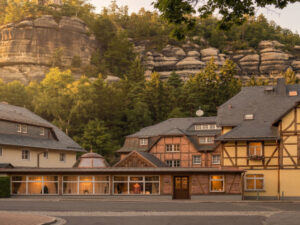
The glass industry in Lusatia is facing one of its biggest challenges closely linked to the phase-out of coal and exploding energy prices. Glass production is extremely energy-intensive; Even small increases in temperature drive up the gas and electricity costs. For works like the O-I Glaswerk in Bernsdorf, this means that the production of glass is becoming increasingly unprofitable.The level of energy prices intensifies economic pressure and forces companies into existential crises.
Elimination of local energy sources and expensive alternatives
The exit from coal means that inexpensive domestic fuels are eliminated. The glassworks have to switch to expensive import energy sources, which further explodes their production costs. This makes economic planning more difficult and forces many companies to close unprofitable locations or consolidate production capacities. As a result, the economic substance fizzles outthe region and no longer competes with locations that benefit from cheaper electricity mixes or subsidies.
Destruction of local value creation and supply chain risks
The closure of individual glassworks triggers a chain reaction in the local economy. Supplier companies and energy-dependent service providers lose orders or file for bankruptcy. This leads to supply chain interruptions that not only cause short-term sales losses, but also weaken the entire regional economic system. This creates a comprehensive economic crisis thatfar beyond individual companies and the landscape of work and prosperity changes in the long term.
Job cuts and fiscal losses for municipalities
Declining utilization due to production relocations lead to layoffs and short-time work in the glass industry. This puts an existential burden on the affected families and increases the local unemployment. Municipalities like Bernsdorf are losing important tax revenues that are missing for household renovations and public services. The regional tax authorities are renewing themselves as after the upheavals of thereunification and makes the quality of life and investment capability considerably more difficult.
Emigration of professionals and demographic change
The uncertainty and lack of prospects in the energy-intensive sector drive qualified, young specialists to other industries and regions. Lausitz is again facing the problem of a demographic imbalance, which is exacerbating structural challenges such as a shortage of skilled workers and declining population. The waves of emigration are reminiscent of the developments of the early ninetiesYears when East German industry collapsed to a large extent and the social consequences are still noticeable today.
A double structural break due to coal phase-out and energy prices
The coal phase-out combined with rising energy prices causes a second structural break after reunification in Lusatia. The glass industry, once an important industry, is an example of the long-term decline that the region has to face. The elimination of low-cost energy sources, competition with cheaper locations and the loss ofJobs and municipal income lead to a profound economic crisis. Without determined political support and innovative strategies, the future of many Lusatian glass works and the entire regional economy is threatened.

 Screenshot vimeo.com