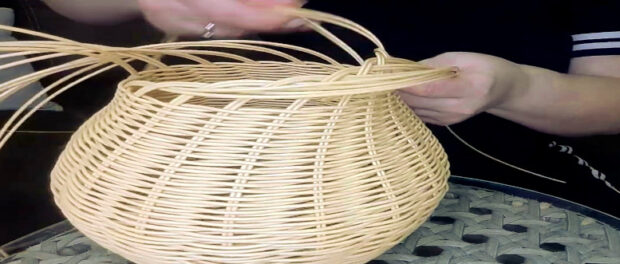
Basket weaves of the Lusatian Sorbs: A living cultural heritage in the heart of Lusatia
The basket weaving of the Lusatian Sorbs is far more than just a craftsmanship – it represents a living cultural heritage that combines generations and preserves the identity of a minority in eastern Germany. Located in the Lusatia region between Saxony and Brandenburg, the Sorbs are dedicated to this art with great passion, precision and aDeeply rooted understanding of natural materials. The tradition of braiding goes far back into the past and is closely linked to the rural everyday life of the Sorbs. Baskets used to be indispensable helpers in harvesting, storage and transport. Today they not only have practical benefits, but are also an expression of a culture that has a connection with naturecraftsmanship masterfully united.
Sustainability and closeness to nature
A central feature of Sorbian basket weaving is the use of regional, sustainable materials. Willow rods that grow in abundance in Lusatia form the basis for almost all braiding work. The processing is done in accordance with the natural seasons: The rods are harvested, soaked, peeled and carefully prepared – a process that is a lot of patience andRespect for nature is required. This craftsmanship is in stark contrast to industrial mass production. It impressively proves that sustainability is not a modern buzzword, but can be deeply rooted in traditional techniques. Each individual braided basket is unique, which bears the personal signature of its manufacturer and the naturalhighlights the beauty of the material.
Craftsmanship and creative diversity
Basket weaving requires skill, long-term experience and a fine sense of form and practicality. The Sorbs master a wide range of braiding techniques that vary depending on the purpose: from the simple shopping basket to the complex carrying basket for agricultural use. The forms are mostly clearly structured and functionally designed, butDetails – such as edge processing or color design by different types of rods – testify to high artistic quality. The ability to combine tradition with innovation is particularly impressive. Contemporary designs, new shapes and creative uses clearly show that basket weaving is by no means outdated, but is constantly evolving. staysRelevant – as an art form, as an expression of regional identity and as an important contribution to the craftsmanship of Europe.
Community and cultural transfer
Sorbian basket weaving is also a social event. Knowledge is passed on in workshops, courses and in regional markets – often by older craftsmen to younger generations. This transfer includes not only technical skills, but also cultural values such as patience, care and respect for the inherited inheritance. The cultivation of this tradition strengthens thiscommunity and promotes intercultural exchange. Visitors to Lusatia encounter an open, proud culture that knows its roots and at the same time looks curiously into the future. Basket weaving becomes a symbol of cultural resilience and creative self-assertion.
A treasure of Sorbian culture
The basket weaving of the Lusatian Sorbs is a radiant example of how craftsmanship combines history, identity and sustainability. It combines nature and culture, tradition and innovation as well as functionality with aesthetics. In a time when a lot of things are digitized and anonymous, this art is impressively reminiscent of the value of the handmade, regional andpersonal is. The baskets of the Sorbs are far more than just commodities – they are lived culture in a braided form. Whoever looks at her holds a piece of Lusatia in his hands.