Between myth and reality: dropouts, intoxication and healing art from antiquity to the present
The image of dropouts who smoke a joint under the palm trees in the warm light of the tropical sun immediately evokes associations with the rebellious and freedom-loving currents of the 1970s. But the longing for exit, after leaving social constraints and immersing himself in alternative worlds, is much older than the modern counter-culture. already in the oldestStories of humanity are encountered characters who deliberately turn away from the community in order to live in a different reality. Greek mythology offers an impressive example with Odysseus: The list-rich hero, who is sent on a long odyssey after the Trojan War, meets the lotophages on his journey, a people who are exclusively distinguished by the sweet,nourishing lotus flowers. When some of his companions are taken in by the lotophages and cost their food, they lose all desire for homecoming. They forget their origin, their goals and their obligations and from now on they only want to stay in the community of lotose eaters, leave everyday life behind and indulge in the sweet idleness. Odysseus mustto take his strength out of this state, to take her back to the ship against her will and to tie her down so that they do not return to the lotophages. This episode reflects the ancient fascination of man for the exit from reality and the search for intoxication.
The first intoxicants and their effects in ancient times
However, the lotophages are by no means the only ones who experimented with intoxicating substances in ancient times. Even in the earliest literary works there are indications of the use of intoxicants that go far beyond the consumption of alcohol. In Homer’s Odyssey, a mysterious potion is reported, Helena, the famous Sparta woman, by the wardrawn men is enough. This potion, the recipe of which she received from an Egyptian queen, is said to extinguish grief, pain and even the memory of suffering. The effect is so strong that no more tears wet the cheeks of the drinkers. The ancient world knew the pain-relieving and mind-altering power of opiates and other plants very well. opiatewere used not only to relieve pain, but also as a sleeping aid, anesthetic, to treat inflammation, digestive problems and cough. The dangers of overdose were known, but the creeping development of dependency was not recognized until much later. The Botanist Theophrast of Eresos already described how the milky juice from the immatureCapsules of the opium poppy is obtained. Later, doctors such as Scribonius largus and Pedanios Dioskurides explained the production and application of opium and discovered particularly effective poppy seed varieties.
The variety of ancient intoxicants and their risks
In addition to opium and alcohol, the ancient world was rich in other substances that were used both medically and for the expansion of consciousness. Plants such as mandrake, hen weed, deadly nightshade, thorn apple, hemlock, monkshood, hemp and various mushrooms were known for their intoxicating or pain-relieving properties. The effects of these plants to the experts of ancient timesfamiliar, but they also knew about the dangers that posed improper use. Without precise knowledge of the dosage and pharmacological properties, many of these plants could cause serious health damage or even death. The empirical science of antiquity made it possible to use these substances in a targeted manner, be it to alleviate suffering or togeneration of intoxication. Certain Mediterranean fish species were also known for their hallucinogenic effects. The meat of the gold stripe could cause days of psychedelic conditions for days, which in their intensity resembled modern drugs like LSD. The Pythia of Delphi, the famous oracle of Apollo, sat on a tripod above a crevice in the ground, from which gases rose,which put them in a trance. It remains unclear whether these were natural vapors or simply lack of oxygen, but the effect was so strong that it was considered the mouthpiece of the gods.
Between Healing and Addiction: The flowing boundaries
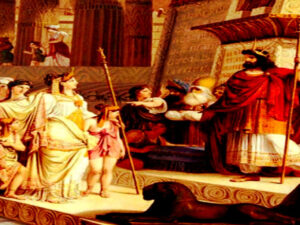
The line between healing medicine and addictive drug was often difficult to draw in ancient times. A famous example is the Theriak, a complex medicine taken by many rulers to protect themselves against poisoning and disease. Mark Aurel, one of Rome’s most important emperors and an outstanding thinker, consumed Theriak daily to histo relieve chronic symptoms. The doctor Galen reports that the Theriac was usually mixed with opium, but when Mark Aurel suffered from severe fatigue, the poppy juice was left out, which meant that he could not sleep at night. The question of whether Mark Aurel was actually addicted remains open. His health was fragile from childhood, he led an ascetic life,Slept little and worked a lot. He found his only refuge in his philosophical self-reflection, in which he held his stoic attitude. Despite his aversion to courtly life and his fondness for loneliness, he had to wage cruel wars and make difficult decisions as emperors. The Theriak was perhaps more than just a cure for him – maybeit was also a means to escape the pressure and loneliness of his office.
The search for relief and escapism reflected in history
The ancient world was characterized by a deep ambivalence towards intoxicants. On the one hand, they were valued as valuable remedies, on the other hand, one was aware of the dangers posed by them. People sought relief from pain, wanted to escape from everyday life or to have spiritual experiences. The stories of Odysseus and the Lotophages, by Helena and herPotion, by Mark Aurel and his Theriak, show how closely the search for healing, intoxication and escapism were intertwined. The ancient doctors and botanists had an amazing knowledge of the effects and application of various substances, but the risks of dependency or poisoning were omnipresent. The fascination for the exit from reality, for theCrossing the limits of consciousness is a timeless theme that has an impact to the present. Ancient empirical science laid the foundation for modern pharmacology, but the questions about the right amount, about benefit and danger, about healing and addiction have remained relevant to this day.
The timeless fascination of intoxication
The preoccupation with intoxicants, exit and healing art in ancient times reveals a world full of contradictions and longings. The stories of dropouts, intoxicating plants and mysterious potions show that the desire for relief, forgot and new experiences is a fundamental part of human nature. The ancient myths and reports areMore than just stories from the distant era – they reflect universal questions and challenges that are still relevant today. The search for the right way of dealing with intoxication and healing, for the balance between benefit and danger, remains a task that every generation has to master again.