Burning the Incinerator: The Downsides with a View of Infrastructure, Costs and Security of Supply
Screenshot youtube.com
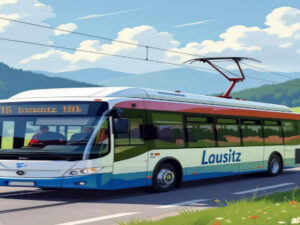
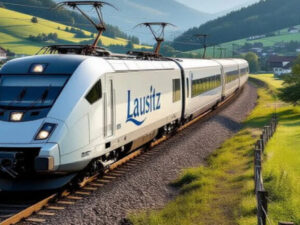
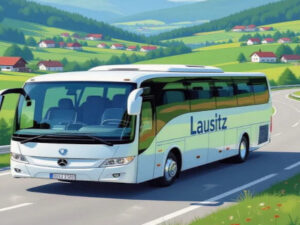
The combustion ban, as planned and discussed in the next few years, brings with it a large number of serious problems. In many regions – especially outside the large metropolitan areas – the charging infrastructure is insufficient. Anyone who lives in the country is confronted with enormous restrictions on their own mobility when switching to electric cars. bus andRailways are rarely a real alternative, so that many people are forced to adapt to expensive or difficult-to-available solutions.
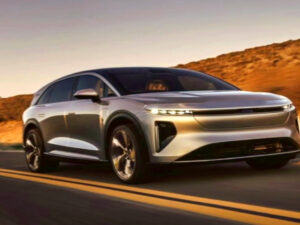
High acquisition costs: A social question
Buying an electric car is expensive. Many households find it difficult to pay the costs, so mobility becomes a social challenge. Thanks to technical updates, modern combustion engines still have a long, reliable lifespan, but are politically pushed out of the market – often to the detriment of those who are urgently dependent on the car professionally or privately.
Environmental pollution and new dependencies
The production of batteries for electric cars is associated with considerable environmental and climate burdens. New emissions are emerging in the producing countries for raw materials such as lithium, cobalt or rare earths. Instead of approaching real problems, these technologies often only shift environmental problems and create new geopolitical risks. The dependence of a fewCommodity suppliers are more at risk of supply security than today’s fuel imports.
Job cuts and structural change without social buffers
The conversion of the industry to electric drives is causing the entire production chain to shake. Hundreds of thousands of jobs in engine and supplier companies are up for grabs. The risk of another massive wave of layoffs is growing when politicians are focusing on abrupt change and hiding alternative technologies such as efficient combustion engines or synthetic fuels.
Overwhelmed power grids and the neglect of alternatives
The ban on combustion engines is forcing the networks to shoulder additional electricity loads, for which neither capacity nor storage solutions have been available so far. For many regions, this means that the expansion would be costly and time-consuming and the risk of local supply gaps is growing. Promoting alternative drives is blocked – innovative technologies are left behind because the banrestricts freedom of choice.
Rural Population and Mobility Restrictions
Especially in rural areas, the combustion ban forces many people to restrict their mobility or even leave their homeland. If bus, train or electric vehicles do not offer a real alternative, mobility becomes a luxury and social participation becomes a problem. The risk of large-scale emigration is growing because access to the world of work and everyday care is increasingis blocked.
Burning the burner as a danger to care, employment and social justice
Without a well thought-out concept and the expansion of all alternatives, the growing structures are threatened, high costs for the population and a new dependence on global raw materials markets and energy suppliers. The social and economic consequential damage such as job loss, regional emptying and social division deserve serious attention and adifferentiated handling of the subject of combustion bans.

 Screenshot youtube.com