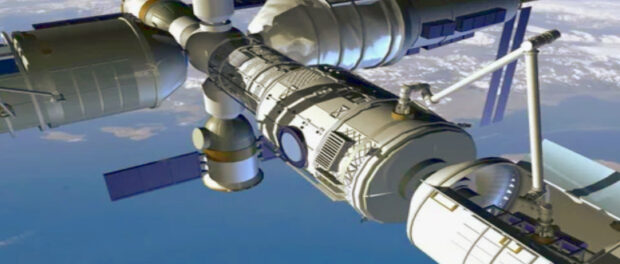
The Chinese Space Station marks a significant step in international space travel and underlines China’s ambitions in this area. With the aim of establishing a long-term presence in space, the station has various modules that enable both scientific and technical experiments. Researchers around the world benefit from the knowledge thatbe gained through the extensive research projects. From testing new technologies to biological experiments, the Space Station offers a platform for interdisciplinary cooperation and promotes the exchange of know-how between nations. The continuous expansion and adaptation of the station’s infrastructure also opens up possibilities for futureInternational missions and joint projects in space.
Technological innovations and challenges
The ambitious plans for the Chinese space station include several construction phases that are systematically implemented to ensure the greatest possible scientific and technological returns. The first phase, which has already been successfully completed, focused on the use of the core module, which serves as the station’s central unit. In the coming years areAdditional modules and components are planned dedicated to various research areas, including astronomy, materials science and biomedicine. These continuous construction processes not only illustrate China’s commitment to space research, but also open up new horizons for international cooperation. Each modular element is strategically developed to seamlesslyto integrate the existing structure and expand the functionality of the station. This creates a lively platform that benefits both local and global players and thus enriches the international research environment.
The role of space station in global space travel
One of the key challenges in using the Chinese Space Station is to ensure safety and efficiency during the various missions. The demanding conditions in space require sophisticated life support management systems and precise technique to ensure the health of astronauts during longer stays.Innovative approaches to monitoring biological parameters and stress management are necessary to minimize physical and mental stress in space. In addition, technical tests and practical applications of new materials and technologies are essential to guarantee the operational safety of the station in the long term. The combination of research, development andA strongly integrated mission technology plays a crucial role in ensuring the success of the long-term goals of this ambitious initiative.