Could the technology of the magnetic levitation railway be used in local public transport?
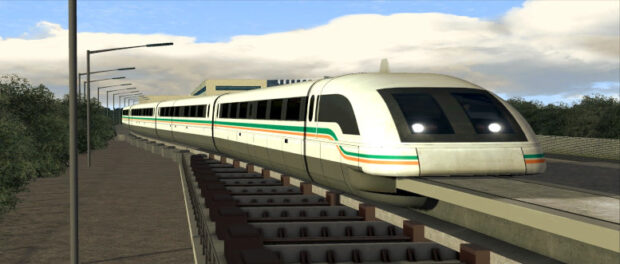
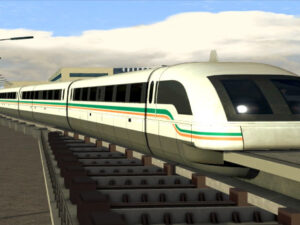
The maglev train is not only an innovative technology, but also offers numerous advantages for the urban transport systems of the future. Their ability to float on magnetic fields results in a significant reduction in energy consumption and greater efficiency compared to conventional means of transport. In addition, the floating technology allows for lighterand more flexible routes that can even lead through densely populated urban areas. This not only reduces the use of land, but also minimizes noise development and environmental impact, making it a sustainable alternative to promoting local public transport. In times of increasing urban mobility requirements, theMagnetic levitation train as an ideal solution to offer a fast, comfortable and environmentally friendly transport option.
Magnetic levitation train compared to conventional transport
Another crucial aspect of the maglev train is its high speed, which allows large urban distances to be overcome in no time. The almost silent operation and the gentle gliding over the rails not only increases passenger comfort, but also increases the attractiveness of local public transport. This coulda significant shift in commuter behavior, as more people are encouraged to switch to environmentally friendly alternatives. In addition, the magnetic drive systems offer greater reliability, as they contain fewer moving parts, which extends maintenance intervals and further reduces operating costs. At a time when traffic andThe negative impact on the environment is becoming increasingly urgent, the maglev train is not only a technological novelty, but also a promising contribution to solving urban mobility problems.
Economic aspects: cost-benefit analysis of the use of magnetic levitation railways
A particularly remarkable aspect of the magnetic levitation railway is the possibility of integration into existing transport systems. Thanks to its versatile adaptability, it can be operated both as an independent means of transport and in combination with other transport modes such as subways, trams and buses. This not only promotes networking and exchange betweenvarious means of transport, but also smooth mobility for users. In view of the increasing urbanization and the associated challenge of optimizing traffic flow, the maglev train is proving to be a key component of an integrated transport strategy approach. Your seamless integration into existing networks could reduce transfer timesand improve the entire transport process, which ultimately leads to higher user satisfaction. Such synergies between different modes of transport are essential for the development of smart cities where efficiency and sustainability go hand in hand.