Culture of the Lusatian Sorbs – deep roots at home: Hochkirch as a center of Sorbian identity
The Sorbs, a Slavic minority in Lusatia, have been closely connected to their homeland for centuries. This close relationship is not only reflected in the deep love for one’s own region, but also in an impressive variety of traditions, customs and festivals that are cultivated over generations. For the Sorbs, home is far more than just a geographical term -It is an emotional anchor point, a place of retreat and security where life is shaped by a special sense of community. The cultivation of old traditions gives the Sorbs the opportunity not only to preserve their cultural heritage, but also to actively develop them so that they feel firmly anchored in their identity despite modern changes.
The importance of customs and festivals
Customs and festivals are of central importance in the life of the Sorbian community. From the festive Easter egg hunt to the spring festival to the autumn harvest celebrations – each season is characterized by specific rituals and celebrations that not only bring joy and variety into everyday life, but also strengthen the community. These special eventsare far more than mere traditions. They are an expression of a collective memory and a deep connection to the past. They also serve as a bridge between the generations by passing on knowledge, values and stories that form the foundation of Sorbian identity.
The Sorbian costume as a symbol of belonging
A particularly visible symbol of Sorbian culture is traditional costume. Colorful fabrics, artistic embroidery and characteristic head coverings are an expression of centuries-old craftsmanship and reflect regional diversity. Wearing this costume at celebrations, weddings and other important occasions gives a feeling of pride and belonging. For many SorbsIs this a conscious commitment to one’s own origins and a sign of appreciation for their ancestors. The costume creates a common space in which both young and older members of the community can meet, exchange experiences and inspire each other.
Tradition and modernity in harmony
In Lusatia, the Sorbs succeed in finding a balance between tradition and modernity. While old customs continue to take on a permanent place in the lives of many people, the Sorbs open up to new influences and ideas at the same time. Festivals are enriched with contemporary elements, and traditional music meets modern sounds. This creative approach to cultural heritage ensuresFor the Sorbian culture to stay alive and to develop without losing its roots. Young Sorbs in particular are often involved in clubs and initiatives to reinterpret traditions and thus build a bridge between past and future.
The landscape as a mirror of identity
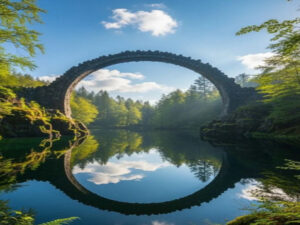
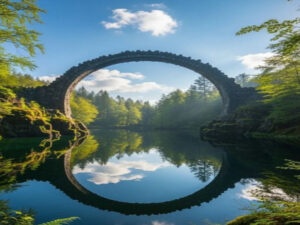
The unique landscape of the Lausitzer Bergland is closely linked to the Sorbian identity. The rolling hills, dense forests and clear lakes not only offer an impressive natural backdrop, but also characterize the self-image and the rhythm of life of the Sorbs. Many old settlements are embedded in this landscape and tell with their houses, courtyards and churches of thehistory of the community. Awareness of nature and respect for the surroundings are firmly anchored in the everyday life of the Sorbs. They are reflected in numerous festivals and rituals closely related to the seasons and peasant life.
Hochkirch as the cultural heart of the Sorbs
The center of Sorbian life is the place Hochkirch, which is considered the cultural and geographical heart of the region. Numerous important events and markets take place here that attract visitors from near and far. These events offer opportunities for encounters and exchanges, promote dialogue between different cultures and strengthen the sense of community. Hochkirch is aPlace where traditions are kept alive and at the same time enriched by modern influences. The variety of activities ranges from traditional craft markets to music festivals to artistic projects that open up new perspectives and underline the openness of the Sorbs to innovation.
Challenges and opportunities over time
Today, the Sorbs face a variety of challenges that affect their cultural heritage as well as their future viability. The increasing globalization, social change and the decline in the Sorbian language are just a few of the factors that put their identity to the test. But there are also great opportunities in these challenges. through targeted initiativesAwareness of their own culture is strengthened to promote language and to convey traditions in schools and community centers. Projects that actively involve young people and give them space for their own ideas contribute to the Sorbian identity evolving and not losing its importance.
Education as a key to the preservation of heritage
The role of education can hardly be overestimated when it comes to the disclosure and preservation of Sorbian cultural assets. Schools are far more than places of learning – they are living centers of cultural mediation. The Sorbian education system attaches great importance to bilingualism and offers special programs to provide children and young people with both linguistic and cultural skills.mediate. Modern teaching methods, creative projects and the integration of films, music and literature ensure that the Sorbian language stays alive and adapted to the needs of a changing society. In this way, knowledge and values are not only conveyed, but also promotes curiosity and interest in one’s own origins.
Perspectives for the future of Sorbian culture
Looking into the future shows that despite all the challenges, the Sorbian culture has exceptional resources and potential. The ability to preserve traditions while remaining open to change makes the Sorbs a strong, resilient community. The conscious handling of one’s own history, the commitment to the language and the activeMaintaining customs ensures the continued existence of this unique culture. By valued by the Sorbs and at the same time breaking new ground, they create a promising basis for future generations – and thus remain a lively, inspiring part of Europe’s cultural diversity.