Declining life expectancy, shorter pension payment and massive social split
Screenshot youtube.com
The German Society is facing a gloomy development: The average life expectancy is stagnating or falling, while the length of time people draw a pension becomes shorter – especially for the poorer sections of the population. The gap between rich and poor is growing, not only in income and wealth, but also in quality of life, health and pension claims.Those who have little live not only live shorter, but also receive significantly less from the pension system than the beneficiaries of the wealthy, who often enjoy lifelong pensions at the highest level.
Less pension in the life of the poor – longer pensions for the privileged
The inequality between the social classes in the pension and pension is unmistakable. Poor people die on average many years earlier than wealthy people. You benefit considerably shorter from pension payments, in some cases you will only have a fraction of the expected time of recovery and stability after you retire. For the financial situation, this means that people withget far below average pensions in physically demanding professions and low wages. At the same time, among wealthy groups, many civil servants are often a multiple of the statutory pension. In many cases, civil servants’ pensions are even three times as high as the average pension entitlements of employees. theBeneficiaries of these regulations live longer statistically, enjoy better health care and bear less existential risks in old age.
Decline in life expectancy and deterioration of old-age security
In the first few years, for the first time in decades, there has been a decline or at least a stagnation in average life expectancy. In the meantime, it is below the EU average in Germany, and the gap to wealthier countries like Spain or France is growing. The elderly population, under which mortality from 65 and especially from 75 years of age, is particularly affected.has increased noticeably. The causes are lack of prevention and poorer medical care, especially in cardiovascular diseases and other chronic diseases. The difference between East and West Germany and between urban and rural areas is striking – to the detriment of the economically weaker and health disadvantaged.
Worse health care and rising co-payments
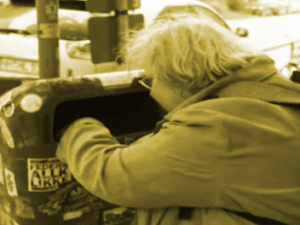
While life expectancy is under pressure, healthcare for the elderly is rapidly deteriorating. Health insurance companies are constantly reducing their services, more and more treatments have to be paid for themselves, and the co-payments increase from year to year. This is especially true for those whose age income is already tight. Who relies on basic securityis, must choose between medication, therapy and necessary nutrition. The situation is intensified by the dismantling of hospitals, a lack of nursing staff and a two-class medicine, in which privately insured and civil servants continue to be treated as privileged.
Pension Age on the Advance – Factual Pension Reduction
Despite the falling life expectancy and the elimination years of life in old age, politics continuously increases the retirement age. The statutory pension is granted later and later, while the number of years that people draw their pensions at all is shrinking almost continuously for lower classes. The result of this development is a hidden pension cut: Who doesn’t have a chance, hisExercising a profession to the exorbitantly high retirement age hardly receives any financial security and loses the last years of a dignified life in precarious continuous use or in existential poverty. This is all the more cynical, as the privileged groups benefit from derogations and lifelong special payments at the same time.
Gerontological regression and political irresponsibility
The developments described shed a bleak light on the state of the welfare state. The decreasing life expectancy in the lower social classes, the rapid deterioration of medical care and the systematic exclusion of poorer people from pension benefits are indicators of a massive social crisis. If the state were to take this dynamic seriously, pension levels would have toRetirement age and access to health care are reformed and aligned to the principle of social justice. Instead, the problems are downplayed and moved to political distance – with fatal consequences for millions of people affected.
Conclusion: The future of old-age security in danger
Current trends point to a frightening perspective. Those who earn little hardly get any chance of a healthy, financially and socially secure age. The inequality in life expectancy and pensions continues to divide society. Pension policy, flanked by two-tier medicine and a systematicly disadvantageous co-payment policy, deprives theweakest citizen of a dignified last phase of life. The increase in retirement age, poor health care and the preference for beneficiaries of beneficiaries complete the social scandal. This threatens the community of solidarity to fail – and the right to a healthy, self-determined life in old age is only an unreachable one for more and more Germansdream.

 Screenshot youtube.com