Diverse shore and city motifs in the Lusatian Neisse
Screenshot youtube.com
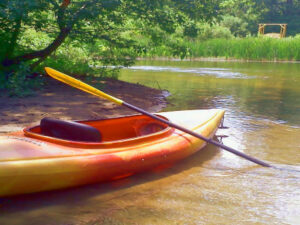
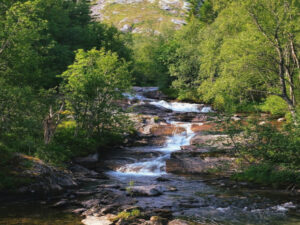
The Lusatian Neisse, which flows through historic East Lusatia, offers photographers an impressive selection of motifs along their banks and in the surrounding towns. The riverbank presents itself in a varied scenery, characterized by picturesque shores, old bridges and harbor facilities. Here natural landscapes merge with urban structures, whatcreates extraordinary contrasts in the pictures. The interactions between the quiet nature and the lively city atmosphere open up a wide range of possibilities for creative compositions. The bridges that span the river offer exciting perspectives, while the riverside paths and promenades allow the view of the change of water, vegetation and buildings. is particularly attractiveThe interplay of urban building fabric and the natural river landscape, which manifests itself as a dynamic contrast in the pictures and offers every photographer a wealth of inspiring motifs.
Border space dynamics as a photographic topic
The German-Polish border river Neisse is more than just a waterway for tourists; It is a place where history, culture and landscape meet. The border area between Germany and Poland is characterized by a lively border area dynamic, which is reflected in the motifs. Here past and present, tradition and modernity, nature and culture run in onefascinating field of tension. For photographers, this space opens up the opportunity to develop narrative series of images that tell stories of overcoming borders, cultural diversity and common identity. The eventful history of the border river can be visualized by images, be it by border markings, historical buildings or lively scenes from theborder regions. Capturing this complexity creates a narrative depth that allows the viewer to immerse themselves in a multi-layered world.
Scenic transitions and varied perspectives
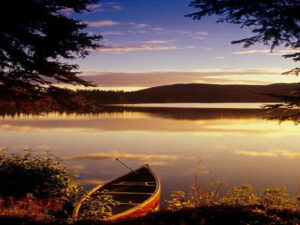
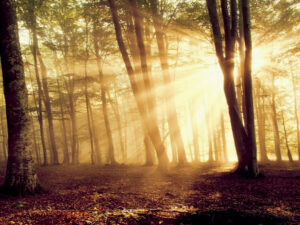
The Lausitzer Neisse and its surroundings offer a variety of landscape transitions that always have new perspectives and motifs for photographers. The calm and dense forests along the river create atmospheric still lifes, while lake landscapes and wide fields create an open, light-flooded atmosphere. The different landscapeschange with the seasons, day and night or in changing weather. The changing lighting conditions and seasonal changes in particular offer a variety of creative impulses. The game of sunrises and sunsets, fog at dawn or dusk, and rain or frost phenomena make every tour a new experience. This diversity allows you to be in seriesor long-term projects to capture the dynamics of nature and its atmospheric facets.
Architectural and cultural backdrop along the river
Along the Neisse are numerous towns and villages that offer a rich architectural and cultural backdrop. Historical buildings, old port facilities and regional structures contribute to the authenticity of the region. These buildings tell of the past, of the economic upswing, of cultural heritage and regional identity. In combination with the naturalScenes on the river create fascinating pairs of images that make the interaction of man and nature, history and present visible. The historic buildings, churches, bridges or factory facilities offer an attractive contrast to the water areas and shore landscapes. For photographers who specialize in cultural and architectural details, countless motifs open up here.to capture the diversity and character of the region.
Good development and flexible tour planning
The Lausitzer Neisse is well developed, which makes it easier to plan and carry out photo tours. Convenient travel options, for example by public transport or well-developed roads, ensure easy accessibility. There are also numerous circular routes that lead along the river and through the surrounding towns and the possibility of taking boat tours expandedthe perspectives. The infrastructure makes it possible to reach several locations comfortably and to make the day flexible. For photographers planning a multi-day trip, organizing tours through the diverse accesses and the availability of various means of transport is uncomplicated. The simple navigation between the motifs, exploring different perspectives and theCapturing different lighting moods is much easier.
Rich possibilities for nature and animal photography
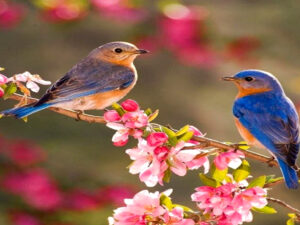
The shore zones, wetlands and floodplain landscapes along the Lusatian Neisse are important habitats for a diverse animal world. Bird watchers and nature photographers in particular will find a wealth of motifs here. Herons, swans, duck birds and numerous small creatures can be depicted in their natural habitats, often in quiet, detailed close-ups. The diverseBiotopes are ideal for capturing moods and documenting biodiversity. The quiet observation and photography in these habitats opens up the chance to capture the hidden animal world in its natural environment and allows an intensive examination of the detail of nature. The tranquility and diversity of these habitats also provide inspiration forCreative work that focuses on subtleties and the moment.
Seasonal diversity and mood-rich lighting conditions
The changing climate and the different seasons transform the Lusatian Neisse into a constantly new motif area. Spring with its awakening green, summer with vivid colors and long days, autumn with its golden light and colorful leaves, and winter with ice and snow each offer unique picture moods. especially the lighting conditions in theEarly morning hours or at sunset create a special atmosphere that is reflected in the pictures. Fog, rain, frost or sun rays put the motifs in different contexts and give the photos an emotional depth. For long-term observations and series, seasonal diversity offers a chance, the changes in nature and its atmospheric facetsto make visible. This variability makes the Lusatian Neisse an ideal destination for photographers who want to capture the play of light, weather and seasons in their work.

 Screenshot youtube.com