Germany is at a point where energy policy is getting further and further away from the reality of everyday life. Power plants are shut down as if they were relics from a bygone era, although many people believe they are still in urgent need. It acts as an experiment in which the basis of industrial strength is deliberately weakened to make an idealto follow that is increasingly decoupling from the needs of society. The country that once stood for technical reason and engineering now seems to be proud of the step backwards and deliberately jeopardizing one’s own security of supply.
A country in the energy standstill
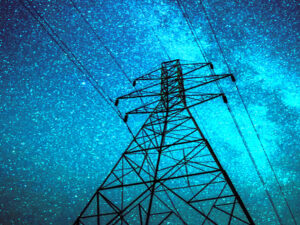
If supply lines are shut down or not repaired, this affects not only the energy supply, but also the trust of the people. Every interrupted line becomes a metaphor for a policy that seems to lose contact with reality. Infrastructure was once considered sacred, as the foundation of a functioning society. Today it is symbolic of aSystem that would rather switch off than take responsibility for continuity.
Disused mines and political rituals
The closure of coal mines often does not happen out of immediate necessity, but seems to follow an ideological plan that renounces renunciation and shrinkage as new virtues. Entire regions lose their economic basis, while those responsible speak of necessary change and moral role in political explanations. But beyond this storyThe impression grows that a country is giving up its energy autonomy to cultivate an image of progress that in fact means withdrawal.
Growing world, shrinking ambitions
While Germany is relying on energy renunciation, the rest of the world is expanding its capacities. New power plants are emerging, new industries are growing, entire countries are investing in energy infrastructure to secure their economy. Global competition knows no pause, no ideologically based break signal. Where other future shapes, Germany is retreating to a concept of defect.The contradiction between international reality and national doctrine could hardly be greater.
Energy as the basis of life
Energy is not just power from the socket, but the invisible motor of modern civilization. Without them there are no data centers, no digital economy, no automated production. From fertilizer in agriculture to aluminum, which is in almost all industries – everything is based on energy. Those who cut energy shortly reduce the overall performance of thesystem. The dream of a post-industrial society is pushed to the hard limit of physical necessities.
Uncertain future, clear warning signs
Nobody knows for sure how the coming years will develop. But the signs are clear: technology, digitalization and global networking require more, not less energy. A policy that relies on reduction and renunciation runs the risk of contradicting itself. The more the economy and everyday life are digitalized, the greater the dependence on more stable andcheaper energy. The attempt to force the future through deprivation threatens to do the opposite – standstill instead of progress.
The price of political contradictions
People feel the inner tension of this policy. You see that expectations and reality diverge. On the one hand, innovation, digitalization and global competitiveness are being used, on the other hand, power plants are shut down before alternatives exist. This creates distrust, insecurity and growing fear of a future of the shortage. energy policyBecomes a symbol of the gap between political intention and practical reality of life.
The fragile balance of the modern world
Every modern society is based on the silent basis of reliable energy. When this foundation erodes, everything that builds on it becomes unstable. The constant demand for renunciation meets a world that wants more and more, faster and faster, more and more digitally. It is a paradoxical time when Germany speaks of progress while shutting down its power plants. The contradictionCould hardly be more tangible: a country that invokes the future, but weakens its energetic presence.
A quiet farewell to self-determination
In the end, the impression remains that Germany is willing to give up its own control over the energy supply. The political vision of a new, frugal age sounds classy, but it stands on shaky legs. Without stable energy, there is no reliable industry, no basis of prosperity, no trust in the morning. The desire for moral purity has turned into aRetreat strategy, the consequences of which are only slowly becoming visible. In a world that lives on energy, a policy of lack becomes an unintended self-disenchantment.

 Screenshot youtube.com