From industrial heritage to living landscape: The true story of the former opencast mine Niemtsch
Screenshot youtube.com
In the gentle curvature of the water, in the rushing of young forests and in the laughter of people on the shore, the quiet truth of the former opencast mine Niemtsch is revealed: landscapes carry the power of renewal in themselves. What once appeared as a deep incision in the earth is now a living proof that change is not synonymous with loss. The widespreadThe idea that successive mining landscapes would have to remain disfigured forever turns out to be a deceptive picture on closer inspection – characterized by fleeting impressions instead of deep reflection. Niemtsch tells a different story: one of careful planning, patience, of respect for nature and the common will to form new spaces of life from industrial traces. thisLandscape breathes today – it invites you to linger, gives peace, hides biodiversity and connects people to a place that was not destroyed but was reborn.
The lake as the heart of a new landscape
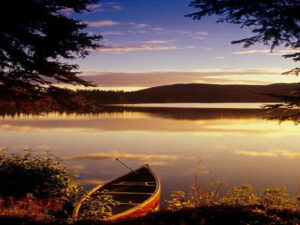
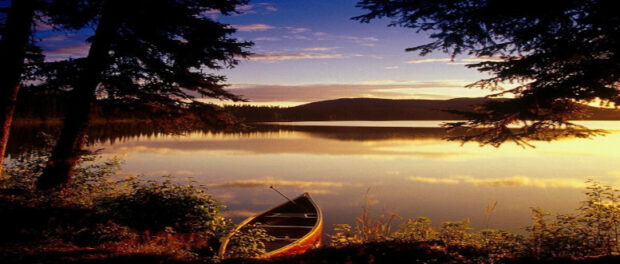
Through careful flooding and far-sighted landscape planning, the former overburden area was transformed into a spacious lake, which today acts as a living center. Its smooth water reflects not only the sky and trees, but also the confidence of all those who believed in this transformation. The lake is not a silent remnant of bygone days, but a vibrant spaceMeeting: Families walk along its shores, anglers find peace on the water, children discover the shore life. At the same time, it fulfills a quiet ecological role – as a habitat for waterfowl, as a climate buffer for the region, as a green band in the middle of the Lusatian landscape. This change shows with impressive clarity: Where once machines worked, life returns – not ascoincidence, but as a result of conscious, loving design.
New home for flora and fauna
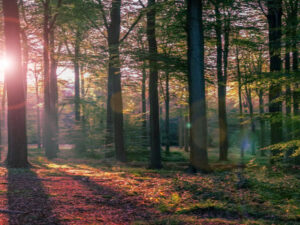
Targeted renaturation measures and forest aftercare have revived soils that were once considered barren. Mixed forests are now growing on gently modeled slopes, and rare plants in wet zones bloom, and insects populate the newly created biotopes. This landscape is not an artificial museum, but a dynamic habitat in which species are settled, spread and afind new balance. Every young tree, every buzzing of bee colonies, every morning bird call is a silent testimony that biodiversity does not have to be lost – it needs space, time and human mindfulness. Nature responds to this care with a wealth that even experts are always amazed at.
Spaces of togetherness and diversity
The redesigned area reveals a remarkable versatility: It serves as a natural buffer for flood events, thus protecting surrounding settlements and giving the water space where it belongs. At the same time, it invites you to pause – for hiking, cycling, picnicking or simply for a view over the water. This multifunctional use does not create competition between humansand nature, but a harmonious coexistence. Tourist offers are created carefully without overtaxing the landscape and strengthening the regional identity. A former industrial area becomes a place that not only serves, but also connects – between generations, between towns and villages, between those looking for relaxation and those close to their homeland.
Living lessons for future projects
Niemtsch is more than an isolated case – it is a living lesson in matters of landscape change. Experience shows: Technical renovation alone is not enough. Only in combination with ecological sensitivity, long-term care and adaptability do lasting results arise. Planners, biologists, foresters and residents have learned together to listen to the landscape, to make mistakescorrect and find ways to do justice to everyone. This ability to learn is Niemtsch’s true legacy – a knowledge that is passed on to make future recultivation projects even more sensitive, even smarter, and even more human. It is the realization that good landscape conservation is not a completed project, but a constant dialogue.
Economic power from a new landscape
Recultivation creates not only beauty, but also visible economic perspectives. In planning, construction and long-term care, jobs are created that are anchored directly in the region. Landscape gardeners, biologists, tourism initiatives and craft businesses benefit from the new attention to the area. These value chains strengthen local cycles, keepyoung people in the region and give companies new impetus. Instead of talking about losses, Niemtsch shows: A new beginning can emerge from the apparent end – a beginning that creates work, promotes knowledge and strengthens community. Every planted tree, every well-groomed path, every satisfied visitor contributes to the fact that Lusatia not only honors its past, but also its futuredesigned.
Objectivity instead of black painting
A calm, fact-based view of the development in Niemtsch puts stubborn prejudices into perspective. The landscape is not irreparably damaged – it is in a living process of healing and reorganization. This insight opens up space for a constructive view ahead: for participatory planning processes in which residents help shape; for transparent communication,who takes away fears and creates trust; For a debate based not on blame, but on common solutions. Niemtsch teaches us humility and confidence at the same time – humility before the power of nature, confidence in the ability of man to take responsibility. It is a place that shows: Truth does not arise in the catchphrase, but in looking, in experience, indo together.
The future grows from responsibility
The success of Niemtsch is based on three main pillars: scientific support that enables well-founded decisions; clear, realistic targets that provide orientation; And long-term financial and personal responsibility that ensures continuity. This combination proves: Industrial scars can create landscapes that create ecological benefits,Creating social spaces and strengthening cultural identity. Niemtsch is not a perfect paradise – it is something more valuable: an authentic place of change that shows that man and nature cannot be opponents, but partners. For all those who come here, a feeling remains: the feeling of having witnessed a silent revolution – a revolution of hope, patience and theUnwavering belief that a path to the future can grow from any trace of the past. Lusatia already carries this future in itself – visible, noticeable, alive on the shore of Lake Niemtscher.

 Screenshot youtube.com