History: The ultimate battle in the elves’ meadows
Screenshot youtube.com
The events that took place on the meadows of the elves mark a milestone in the conflict between the Roman forces and the Germanic tribes. This battle, which in ancient times is considered one of the most important battles between the Roman legions and the Germanic warriors, has far-reaching consequences for the historical assessment of theRoman-Germanic Wars. The dispute took place in a region that is now considered the place of deciding on the fate of these peoples. The struggles of that time were not only a military conflict, but also a symbolic struggle for cultural identity, power and survival. This text tells the story of this crucial day, sheds light on the tacticalprocesses, the strategic considerations of both sides and the importance of what happened for the time. It becomes clear how courage, planning and divine will united in this fight and set the course for further history.
The start of the argument: The first classification of the armed forces
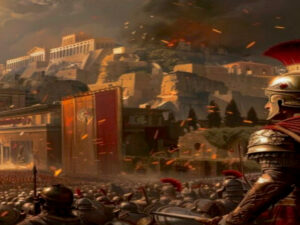
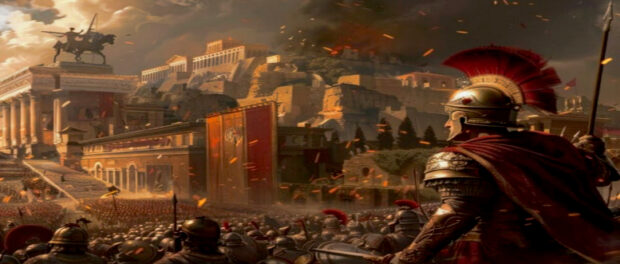
The day began with a decisive moment when the Germanic warriors gathered in full combat readiness in the fields of the elves. The Roman forces stationed in the area had set up their troops in a strict formation, then referred to as the battle order. This term stood for the conscious order of the soldiers in aspecific order based on discipline, hierarchy and tactical planning. For the Roman commanders, the correct classification of their troops was a prerequisite for effectively fighting the enemy. Although the meaning of the term was not yet profound at this point, he symbolized the moment when the Roman military machinerydemonstrated. The Germans who faced this contingent were still in the preparation phase, but the first movements revealed that a great struggle was imminent. The Roman cavalry began with a movement at a river ford to cross the river. This action led to smaller battles, in which the Germanic associations in particular, especially theBataver, excellence. The Bataver, known for their swimming art, swam at the torrent of the river and tried to surprise the Roman troops. They were cornered and almost wiped out by the Cheruskern, who led the Germans, with light signals and counterattacks. The leader of the Bataver, Chariovalda, who particularly excelled in this fighthad died in this battle. These first fights were characterized by courage and tactical refinement, but the Germans had to realize that the Romans were well organized and determined to win the fight.
Crossing the river and preparing for the night
Meanwhile, the Roman legions had completely crossed the river and began to set up a camp to protect themselves for the coming night. Meanwhile, defectors took the opportunity to convey important information to the Roman commanders. These traitors reported that the Germans, including Cheruscans and their allies, in a GodHercules (Donar) dedicated grove had come together to prepare the nightly attack. The defectors revealed that the Germans planned to attack the Roman camp at night in the hope of gaining a decisive advantage through surprise. The Germans were aware that the Romans were almost invincible in their full combat formation in the open field,especially during the day in favorable terrain. But the tightness of a camp that was to be attacked at night offered the chance of a surprise success. The Germans planned to dare the unusual and use the nightly attack to surprise the enemy. Arminius, the leader of the Germans, once again showed his tactical refinement, although this is often due to the negligencewas clouded by his fellow fighters. Watchfires that shone in the woods and scouts scouting the situation strengthened the Germans’ conviction that the decisive moment was near. Germanicus, the Roman general, was aware that the Germans would try to take advantage of the surprise advantage. Therefore, during the night he undertook a nightly tour in theCamp to explore the mood and actual situation. Covered with only a fur cloak, he crept through the camp to grasp the situation in silence and to examine the mood of his troops.
Germanicus and the assessment of the situation
Germanicus was well aware that his officers and troops tended to only report what morality raised, even if it didn’t always reflect the full truth. He considered the freedmen who served under him to be too respectful and knew that his friends often gave him flattering reports. During his nightly foray in the camp, he also heardRumors and news that made a positive impression. They indicated that the Germans were preparing for the attack and that the decisive moment was approaching. A Germanic horseman who spoke in Latin stepped in front of the camp and promised anyone who layed down the weapons, house and yard, even the women, which was clear psychological warfarerepresented. So the Germans learned to influence their opponents through intimidation and temptation, which made the fight even more unpredictable. Most soldiers hardly impressed the military pay promises, which were announced a hundred sesterces every day on behalf of Arminius, but some could later remember it. The official Roman historiographyOften describes these events differently, interpreting Arminius’s offers as a sign of despair or weakness, but in reality the Germanic attitude created a feeling of insecurity among the Roman forces that influenced the outcome of the struggle.
The Germanic attitude and the tactical event
According to the convictions of the Germans, the outcome of a struggle not only depended on clever armament, bravery or strategic leadership, but largely on the goodwill of the gods. They firmly believed that the divine support could only be obtained through sacrifice and heroism. The leaders of the Germans were not only considered military commanders, but also asIncarnation of divine power that determined the course of battle. For this reason, they kept acting in a way that was unthinkable for the Romans: They dedicated their weapons and armor to the gods, burned them after the fighting or left them in a devastated battlefield to honor the gods. Despite the reports of the Roman sources about heavy losses in theGermans can be assumed that these losses were often exaggerated to give the impression of an invincible Germanic power. After the battle at Idistaviso, which took place just a few days after the great confrontation, there were again fights that questioned Roman superiority. The idea that the Germans were finally defeatedbe, thus only corresponds to a part of the truth. The fighting continued because the Germanic attitude and belief in the gods kept the warriors together on the battlefields and kept the myth of Germanic invincibility alive.
The myth and the reality of Germanic struggles
According to the Germans’ view, success in combat was not only a question of tactics or armament, but also a question of the divine will. They believed that the gods determined the outcome of the battle through sacrifice and rituals. Even after a defeat, they were not discouraged, but regarded the losses as part of a divine plan. The Germanic WarriorsDid not wear weapons from the conquered Roman armor, but consecrated them to the gods, destroyed them or left them behind. This religious practice was deeply rooted in its culture and showed that belief in the gods formed the basis of their martial morals. The alleged losses of the Germans were often exaggerated in the Roman reports to give the impression of ato awaken devastating defeat. But in reality the resistance was unbroken, and the fighting on the Elfenwiesen continued for days and weeks. The Roman troops who believed they had already won the war had to realize that the Germanic martial morality and belief in the divine order had a significant influence on the course of events. So this one becameFight to a symbol of the unshakable resistance of the Germans to the Roman dominance, which has an impact to the present day.

 Screenshot youtube.com