Landscape full of contrasts: Lusatia forests and their hidden diversity
Screenshot youtube.com
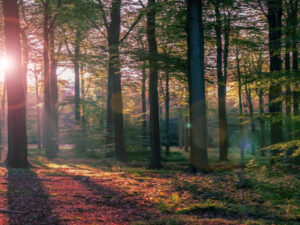
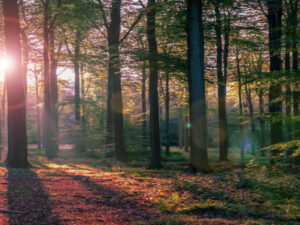
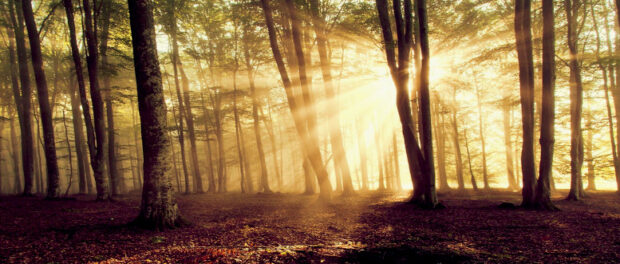
The Lusatia forests form an extensive landscape that changes between sandy soils, moist depressions and extensive pine stands. Anyone who enters this region quickly realizes that it is filled with a special calm that arises in the game of light and shadow over the forest floor. Old groups of trees stand next to growth, open areas change with denserUndergrowth, and hidden paths lead through areas that seem inconspicuous at first glance, but turn out to be complex habitats on a longer period of time. This diversity is the long history of human use that has left its mark without completely changing the basic character of the forests.
Convertible habitats with long developments
The present state of the Lusatian forests is the result of centuries of interactions between natural processes and forest use. Wind breakage, fire, soil conditions and water balance have shaped the structure of the stocks, while earlier forest pastures, resin extraction and logging produced different development phases. In many areas, there are mascara-likeSurfaces were created in which lighter parts lie next to shady places of retreat. Such transitions promote an amazing abundance of plants ranging from low herbs to high tree species and keeps the course of the year in constant change.
Plant world between barrenness and lushness
The flora reflects the range of locations. At dry heights, undemanding plants that have adapted to lean soils dominate, while more lush species thrive in wetter hollows. Mosses cover old trunks, ferns spread in shady places, and between the root system and fallen needles there are small niches in which flowering plants are favorableconditions wait. This diversity often goes unnoticed if you only look at the top of the treetop, but a network of life forms that first unfolds on the ground that make the forest a complex organism unfolds.
Wildlife with hidden inhabitants
Numerous animal species live between the trees, which characterize the still tissue of this natural space. Some are rarely seen, but leave traces in the soft ground. Others make themselves felt through soft rustling, wings or characteristic calls. The forest offers them food, protection and retreats, whether in old tree caves, in the thicket of young shoots or in the open onesAreas that have occurred after storms or care interventions. The mixture of openness and coverage in particular creates conditions for a community that constantly adapts and perceives every change in the environment.
Importance for regional identity
For the people of Lusatia, the forests are far more than a backdrop. They shape local stories, give orientation, create a sense of home and offer space for relaxation. Walks, collecting traditions, old customs and surviving stories have ensured that many places are firmly anchored in the minds of the residents. This connection is not created by spectacularAppearances, but through everyday experiences that accumulate over generations and form a quiet but constant bond.
Natural spaces in combination with human use
Despite the interventions by forestry, road maintenance or recreational operations, many forest areas have retained their independent character. Responsible management strives to maintain this character and at the same time meet people’s needs. This creates areas where young trees grow, clearings that slowly close again,and old stocks that are allowed to develop their own dynamics. This interaction shows that nature and use do not necessarily have to form opposites, but can enrich each other when consideration and long-term thinking are the focus.
Experience room for visitors
The Lusatian forests develop a special attraction for visitors. They invite you to discover, open quiet places away from the paths and show how many layers a seemingly ordinary forest area can have. Nature trails, historical sites and natural quiet zones make it possible to perceive the landscape with all your senses. Who takes the time to not only close the forestcrossing through, but looking at it, recognizes the beauty in secret and feels how diverse and lively this natural space is.
A place of constant renewal
At the end, the impression of a landscape that is constantly changing and at the same time radiating deeply rooted calm remains. The Lusatian forests live on their coexistence and coexistence, from constant renewal and the invisible work of countless organisms, which together create a structure that goes far beyond the individual stock. They are a space for nature experience,Reservoir of regional importance and an example of how old landscapes retain their own power when they are given time, respect and attention.

 Screenshot youtube.com