Lausitzer Vulkanfeld – fascinating insights into the history of the earth
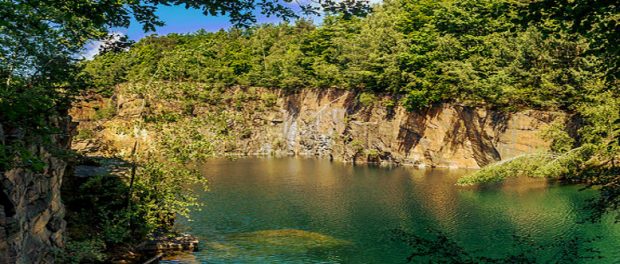
The approximately 500 volcanoes in the >>Lausitzer volcanic field<< are mostly between 32 and 29 million years old. Parts of the volcanic structures are made up of loose materials known as pyroclastics and become visible in impressive, colorful rocks. The loose material can be removed from the composite with your hands.
Geological formation of the Lusatian volcanic field
The geological processes that led to the emergence of the Lusatian volcanic field are the result of millions of years of tectonic activity. This region experienced an intense volcanic drain caused by the movement of the earth’s plates and the tensions in the earth’s interior. The volcanic field extends over an impressive area and is characterized byVarious types of rock and conveying structures that provide fascinating insights into the history of the earth. When looking at these geological peculiarities, it quickly becomes apparent that the Lusatian volcanic field is not only a geological phenomenon, but also represents an important research landscape for geoscientists and nature lovers. Here you can find numerous tracesFind past volcanic activities that serve as windows to the past and expand our understanding of the earth’s dynamic processes.
Types of volcanoes in the Lusatian volcanic field
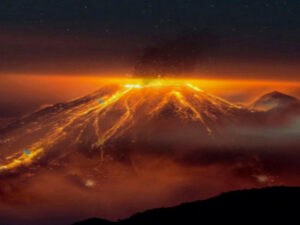
The variety of volcanoes in the Lusatian volcanic field is impressive and extends from stratified volcanoes to maars and slag cones. These different volcanic species reflect the diverse geological processes that have taken place in this region. While layered volcanoes are characterized by explosive eruptions, maars are less violentemerged, which are often associated with Groundwater Interaction. Observing these volcano types not only offers fascinating sights, but also valuable information about the geological conditions that led to the formation of volcanoes. Each of these structures tells their own story that has evolved over millennia and allows researchers to draw conclusions aboutto draw past climatic and geological framework conditions. Therefore, the Lusatian volcanic field is not only a geographical feature, but also a living archive of the history of the earth, which is waiting to be further explored and understood.
Historical eruptions and their effects
Historical eruptions and their effects Historical eruptions have had a formative influence on the geological peculiarities of the Lusatian volcanic field. The traces of past outbursts are not only visible in the landscape, but also in the lore and reports of the people who lived near this region. Historical records testify toExplosive events that devastated entire areas, but also from less dramatic eruptions that brought changes in flora and fauna. This activity-related data not only provides information about the nature of the outbreaks itself, but also about the reactions of people and their adaptation strategies to the geological conditions.
Lausitzer Vulkanfeld a living textbook
The Lusatian volcanic field thus acts as a living textbook that not only gives us geophysical information, but also illustrates the interplay between humans and nature during volcanic activities. It is an impressive example of how volcanic events have a lasting impact on both the environment and settlement development and culturescan. In this context, it is essential that future studies will deal intensively with the long-term ecological and cultural consequences of these historical events in order to gain a more comprehensive understanding of the interaction of geological processes and human life.