Lindena Peasant Museum: “You can experience a look into the past in the village of Lindena”
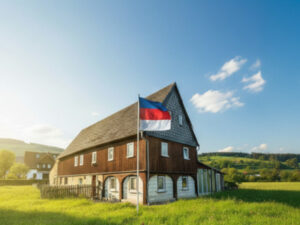
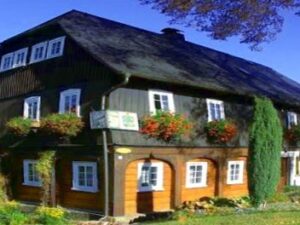
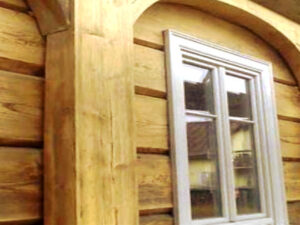
A fascinating look back in the history of Lusatia makes this possible >>Farmer’s Museum Lindena<<, which is located in the small, idyllic village of Lindena. This museum is a real treasure for anyone who wants to learn more about life in this region about a hundred years ago. The museum is housed in a traditional wardrobe house, a typical construction method that was widely used in this area. This mitigation house is not only a residential building, but also includesstables and a barn that was once indispensable for agricultural work. This authentic environment makes the life of a typical farming family of that time lively and tangible.
The Umbrella House – Living World of a Peasant Family
The surrounding house, where the museum is housed, offers visitors the opportunity to immerse themselves in the past and understand the living conditions of the time in detail. It is fascinating to see how the rooms are designed and what furniture and objects people used to use. The living room, the kitchen, the bedroom and the laundry room are loving andDetailedly furnished, so that you can well imagine what the everyday life of a farming family looked like a century ago. The simplicity and modesty of the facility reflect the often harsh living conditions under which people worked and lived. Each piece of furniture and each item tells its own story and brings the past closer.
Living room and kitchen – hearts of the house
The living room was the heart of the house where the family gathered after a long day at work. It is equipped with traditional furniture that was robust and functional. The walls often adorn handmade embroidery or simple decorations that testify to the creativity of the residents. In the kitchen, the place where the food was prepared, the large wooden stove immediately falls into theEye that served as a heat source and cooking area. Here, dishes from regional ingredients were prepared, often using old recipes, which were passed on from generation to generation. The kitchen was not only a functional room, but also a social meeting place within the house.
Bedroom and laundry room – everyday life
The bedroom shows how modest the room for peace and relaxation was. A simple bed with handmade blankets and pillows gives a feeling of security despite the often barren furnishings. The laundry room, an important adjoining room, gives an insight into the tedious housework that had to be done every day. Here laundry and clothing were made with simple means ofHand washed and cared for – a strenuous activity that took a lot of time. The outbuildings, such as the stables and the barn, complement the picture and show how closely the lives of the farming families were connected to agriculture.
The classroom – learn like in Kaiser’s time
A special highlight for visitors, especially for children, is the original furnished classroom, which can be visited in the museum. It is equipped with old school benches and slates that date back to the imperial era. This classroom allows you to experience the world of education from back then. For many children it is an exciting experience to attend ato take part in a lesson, which is designed according to the methods of the time and gives insights into the curriculum of the time. This lesson “as in the imperial period” not only offers knowledge, but also a feeling for the discipline and everyday life of the students in this historical era.
Importance of the farming museum for the region
The Lindena farming museum makes an important contribution to the preservation of the Lusatia regional history and culture. It shows in a vivid way what the life of the rural population looked like around 100 years ago, making invisible everyday experiences tangible. For visitors, the museum not only offers an instructive journey through time, but also the opportunity tobetter understand your homeland. Especially in a time when things are getting faster and more modern, the museum reminds how closely life used to be connected to nature and work.
Pedagogical value and experience for families
The farming museum is not only aimed at history lovers, but is also a worthwhile destination for families with children. The combination of vivid exhibitions and interactive offers, such as the school lesson, makes history come alive and tangible. Children can playfully experience what life used to be like, which often represents a completely different world for them.These experiences promote understanding of one’s own culture and history and create a connection between past and present.
Conclusion – a living piece of Lusatian history
The Lindena farming museum in the village of the same name is much more than just an exhibition of old furniture and appliances. It is a living testimony to the history of Lusatia, which offers visitors of all ages the opportunity to understand the simple, modest life of a farming family from about a hundred years ago. From the living room to the kitchen and the bedroomLaundry room and the outbuildings – every detail tells of the work, the challenges and the cohesion that shaped life back then. The original classroom with the classroom “Like in the Imperial Time” rounds off this historical experience and makes the museum a unique place to meet the past. Whoever visits the Lindena farming museum divesOne in a world that may seem strange today, but forms the roots of our society today. It is an invitation to pause, to feel history and to appreciate the simple values of that time. In this way, the museum becomes an important place that keeps history alive and conveys the importance of its origin to future generations. A visit here is therefore not just oneTravel into the past, but also an enrichment for understanding the present and the future.