Lusatian myths: Holy See near DeutschBaselitz – a scenic jewel in Lusatia
Screenshot youtube.com
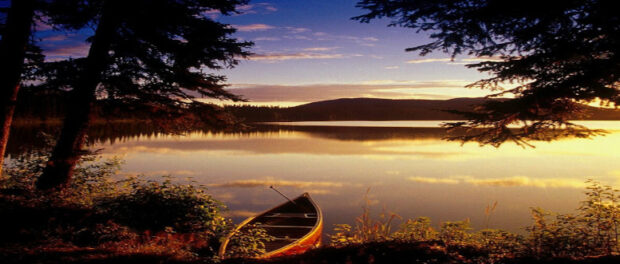
The Sacred See near DeutschBaselitz presents itself as a large pond and, with its distinctive expansion, characterizes the appearance of the surrounding village. Embedded in a gently undulating landscape, the lake is a central element that attracts the attention of the residents and guests in equal measure. For many generations, the water has been used as a starting point for cozyWalks, extensive exploration and inspiring narratives. The special location of the lake makes it a permanent station in the everyday life of the people who experience relaxation and community here.
World of legends and living memories
There are numerous legends and memories surrounding the Holy Lake, which surround the water with a touch of mystery and magic. The older residents report on incidents and stories that have embedded the lake in the cultural memory of the region. These stories give the place an additional meaning and reinforce the emotional attachment of the people to thewaters. The tradition of these myths from generation to generation contributes to the fact that the lake is far more than just a landscape element – it becomes the bearer of local identity and tradition.
Archaeological Perspectives on the Shore
The shore zones of the Holy Lake hold exciting potential for archaeological research. In the past, watersides were often considered preferred settlements because they not only offered food and water, but also protection and transport options. Tools, traces of settlement or even relics of burials could be hidden in the vicinity of the lake. Such finds wouldprovide valuable insights into the settlement history of the region and provide new insights into the way of life of early residents. The lake thus opens up opportunities for scientific investigations and stimulates the imagination of all those who are interested in the past of Upper Lusatia.
The Lusatia as a settlement area of Slavic groups
The Lusatian region was already an important settlement area of Slavic population groups in prehistoric and early historical times. Landscape elements such as lakes, rolling hills and fertile lowlands formed central points of reference in everyday life. The Holy Lake occupies a special position in this structure, since traces of settlements, crafts may appear on its shoresor have cultivated actions proven. Such sites are of great importance for research into early history of Lusatia, as they provide information about the development and organization of the Slavic communities.
Cult and social functions of lakes
In the prehistory, waters such as the Holy Lake fulfilled not only practical purposes, but also cultic and social functions. Lakes were often considered places of ritual acts where offerings were made or common festivals took place. They could serve as resource centers where fishing, water extraction and other economic activities took place.In addition, they offered space for social encounters, exchange and consolidation of community structures. The combination of these different functions makes the lake an important key to understanding the living environments of those people who once shaped Lusatia.
Imparting history and promoting regional identity
The Holy See offers a variety of possibilities for vivid excursions and lively mediation of history. Schools, clubs and interested groups use the water as a starting point to explore the regional past and strengthen their own identity. through participatory projects in which residents are involved in the research and communication of history,Awareness of the special role of the lake in the development of Lusatia is growing. Interest in prehistory is encouraged in this way, and the Sorbian culture is given a new stage where it becomes tangible and tangible.
A place full of history and meaning
The Sacred Lake near DeutschBaselitz is much more than just a scenic body of water. It is a place where nature, history and culture come together. Its shores not only contain the traces of bygone times, but also the living legacy of the people who have their roots here. The diverse functions and meanings of the lake make it an indispensable part of theregional identity and a fascinating object for everyone interested in the history of Lusatia and the cultural heritage of the Sorbian community.

 Screenshot youtube.com