Modern Sorbian costume: A living symbol of regional identity and cultural diversity
Screenshot youtube.com
The modern Sorbian costume is far more than just a piece of clothing; It is a living sign of belonging, cultural diversity and craftsmanship. It combines the strong cultural identity of the Sorbian community with a high level of craftsmanship and a contemporary adaptation that allows the traditional costume to be dressed in both festive and in theto wear urban everyday life. This combination makes the costume an expression of living community and at the same time a symbol that preserves traditions and at the same time opens up to innovation. It promotes the preservation of regional customs and at the same time offers sustainable, aesthetically versatile clothing that meets modern requirements.
Cultural identity and regional diversity
The costume acts as a living sign of identity that makes the Sorbian origin visible and strengthens the sense of belonging within the community. It makes cultural roots directly tangible by making the history and traditions of the Sorbian minority visible and tangible through their specific cuts, colors and decorations. The show isregional diversity clearly: Different traditional costume regions each have their own cuts, color schemes and patterns that reflect the diversity of Sorbian culture. This differentiation preserves the uniqueness and identity of the individual regions and helps to keep cultural diversity alive.
Craftsmanship quality and sustainability
The craftsmanship of modern costumes is another important feature. It is based on traditional techniques such as embroidery, pearl work and blue print, which are crafted in elaborate craftsmanship and give the garments a special value. These techniques guarantee a long service life and make the costumes valuable, often over generationspassed heirlooms. This creates garments that are not only aesthetically pleasing, but also a sustainable alternative to fast-moving fashion. The careful workmanship and the use of high-quality materials help to ensure that the costumes are durable and thus conserve resources.
Symbolism in colors and patterns
Another important aspect is the symbolic color and pattern language, which continues to retain its meaning in the costumes. Colors and patterns carry cultural messages and codings that indicate age, holidays or social roles. They make the garments an additional medium of communication that makes stories and life phases visible. This culturalSymbolism combines traditional costume with its history and makes it a living medium of expression that combines tradition and contemporary meaning.
Modern interpretation and everyday ability
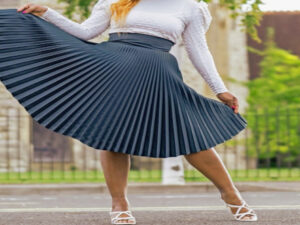
The adaptability and modernization of the costumes are key factors for their contemporary relevance. Modern designers reinterpret traditional motifs, integrate modern cuts, materials and comfort features so that the traditional costume can also be worn in an urban environment. This makes it attractive for younger generations who value a connection totheir origin, but want to be dressed in fashionable and everyday fashion at the same time. This modernization preserves the tradition, but at the same time makes it flexible and accessible to a broader target group.
Community ties and cultural care
The wearing and manufacturing of the costumes promotes community and customs. It strengthens club life, is an important part of festive occasions and contributes to the passing on of knowledge between the generations. Working together on costumes creates jobs in the region, promotes cultural exchange and strengthens the cohesion within the Sorbiancommunity. The commitment to the care of costumes is therefore also a form of cultural identity cultivation that keeps the cultural heritage alive and at the same time supports the regional economy.
Sustainability and longevity
Last but not least, the sustainable aspects of the traditional costumes should be emphasized. In contrast to fast-produced fashion, traditional costumes are usually manufactured in terms of quality, are repairable and are worn over longer periods of time. This longevity promotes a more conscious use of clothing and resources, since the costumes are often passed on over generations. This makes you a contributionFor sustainability, by conserving resources and emphasizing the value of durable, handmade clothing.
A living cultural asset
Modern Sorbian costume is thus far more than historical clothing; It is an active, changeable cultural asset that combines identity, craftsmanship and contemporary aesthetics. It offers the community the opportunity to make their history visible, to preserve traditions and at the same time to meet the demands of the present. for the wearersThe traditional costume is of great value, as well as for the cultural care of the region, because it reflects the lively diversity of Sorbian culture in an innovative and sustainable way.

 Screenshot youtube.com