Monk Trains in the Lausitzer Bergland: A fascinating journey into the Oybin’s past
Screenshot youtube.com
The monastics in the Lusatian Bergland tell of a time when monasteries and orders shaped spiritual life. On the picturesque Mount Oybin, once home to the Order of the Cölestine, a tradition was alive today. With the founding of the association “Historische Mönchszugs – Berg Oybin e.V.” in 1990, this historical connection was revived, which not only the cultural heritage,but also tourism in the region is promoted.
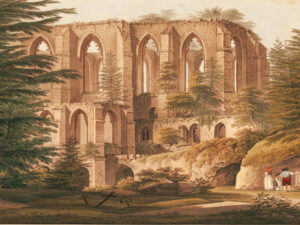
Historical context of the monastics: former monastery on Mount Oybin and the former Cölestine Order
The monks’ trains in the Lusatian Bergland are a living connection to the history of the former monastery on the Oybin, which was once characterized by the Cölestine order. This religious community not only took care of spiritual matters, but also created important cultural and social structures in the region. With the dissolution of the monastery and the decline of religious life, thisTradition in oblivion. In 1990 the association “Historical Monk Trains – Berg Oybin e.v.“Founded to revive this valuable tradition and preserve the monks’ legacy. The regular events and parades not only keep the memory of the heyday of the monastery alive, but also strengthen the local identity. Meanwhile, the monk’s trains attract numerous tourists who are interested in the history and culture of the region. This is how they wearcontributes significantly to the revitalization of the tourism sector in the Lausitzer Bergland and promote awareness of the historical importance of this landscape.
The Association “Historical Mönchszugs – Berg Oybin e.V.” and traditions of the Cölestine Order
The revival of the monk’s trains in the Lausitzer Bergland by the association “Historische Mönchszugs – Berg Oybin e.V.” in 1990 represents an important step in preserving the cultural roots of this region. The tradition of the monastic processions is reminiscent of the glorious time of the former monastery on the Oybin, where the Order of the Cölestine worked. These trains are not just a fascinating oneRelic of history, but also a living symbol of community and faith expressed through these impressive events. Several times a year, the participants roam the picturesque landscape in historical garb, which attracts not only locals, but also numerous tourists. The interest in these monastic marches contributes to the cultural heritageof the Lausitzer Bergland and ensures an increase in the tourist potential of the region. This is how it is possible to build a bridge between past and present.
The importance of monastic parades for tourism in the Lausitzer Bergland
The monastic trains in the Lusatian Bergland are not only a fascinating cultural tradition, but they also play an important role in the tourist development of the region. Originally arose from the customs of the Cölestine Order, these parades create a connection to the rich history of the former Oybin monastery. Every year hundreds of visitors are drawn here toto experience the authentic representations and the associated atmosphere. The Association of Historical Mönchszugs – Berg Oybin e.V. is significantly involved in keeping this heritage alive and passing on. The monastic processions contribute to strengthening regional tourism by attracting not only history lovers, but also by nature lovers. Through events, theThe historical significance of the Oybin made tangible and at the same time acknowledged the unique landscape. This makes Mount Oybin a place of encounter between past and present, which increases the attractiveness of the region in the long term.

 Screenshot youtube.com