Mühlberg an der Elbe in the Lusatia: A historic place with a living presence
Screenshot youtube.com
Mühlberg an der Elbe is a city that is characterized by its long and varied history. It connects the past with the present and offers both insights into medieval life and a lively backdrop for modern experiences. The place, which has undergone a number of changes over the centuries, remains a major culturaland historical center in the region. Its location on the Elbe makes it an important hub for water traffic, regional identity and tourist interest. The city is a living testimony to European history and at the same time a place that is constantly evolving to meet the demands of today.
The historical importance and the early settlement
As early as 1230, Mühlberg was first mentioned in a document, which indicates the importance of the place that already existed at the time. But the archaeological finds, which date back to the 6th century, show that the region was already populated much earlier. This evidence proves a long tradition of human settlement, which has been constantly new traces over the centuries.left behind. The city has developed over time into an important trading and defense center, which played an important role due to its strategic location on the Elbe. Early history is characterized by changing dominions, military conflicts and the expansion of infrastructure that decisively shaped life in the region.
The unique double town with medieval embossing
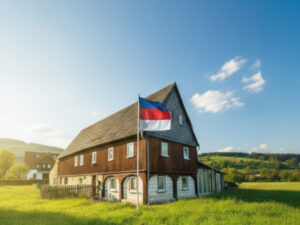
One of the most notable features of Mühlberg is its special structure as a double town, which lies on an island in the Elbe. The city consists of two parts, which were merged in 1346 by an association. Nevertheless, the traces of their earlier separation are still visible today, especially due to the trenches, ramparts and city walls that were still preserved, which were oncedefense facilities served. These historical remains give an insight into the medieval construction and the security concepts of the time. The cityscape is characterized by these remains, which preserve the charm of a bygone era and underline the historical importance of the city. The connection between Alt and Neustadt reflects the eventful history and makesMühlberg to a place full of history and tradition.
Historical buildings and cultural heritage
The charm of the city is underlined by the multitude of historical buildings that characterize the urban landscape. Half-timbered houses and town houses from the 18th and 19th centuries line the narrow streets and convey an image of the late medieval lifestyle. Many of these buildings have been carefully restored and preserve the architectural features of their time, thereby making the historicalflair of the city remains alive. The most important sights include the Mühlberg Modern Museum in 1547, which documents the eventful history of the city and sheds light on the importance of the Reformation period and regional history. Equally impressive is the Marienstern monastery complex, one of the most important brick buildings in Germany, which with its monumental architectureattracts visitors from near and far. This building is a significant testimony of religious architecture and symbolizes the spiritual tradition of the region.
The monastery as a lively place of encounter
The former Cistercian monastery complex has undergone a significant change over the years. Today it serves as an “ecumenical house of encounter and silence”, which is operated by the Claretine-Patress together with the two local parishes. This place is a lively meeting place for people seeking peace, prayer and community. The building offers thePossibility for overnight stays, seminars and spiritual events, making it a place of contemplation and exchange. The calm atmosphere, which emanates from the historical architecture, makes the stay here a special experience. The monastery harmoniously combines the historical significance with a contemporary approach of encounter, peace andthe inner contemplation.
Mühlberg in the heart of the Lusatia – a connection to the Elbe
The importance of Mühlberg for Lusatia goes far beyond the pure history. As a gateway to the Elbe, the city is an important access point to the waterways that connect the region with other parts of Europe. Mühlberg makes the location on the Elbe a central hub for exchange, trade and cultural encounters. The Elbe not only shapes the landscape, butalso affects the daily life of the local people. It is a vital waterway that symbolizes the flow of life and the connection to nature. For Lusatia, Mühlberg is therefore an important place that has significantly shaped the historical development of the region and still serves as a bridge between past and future. The city embodies the gateway to the Elbeand connects the region with the great waterways of Europe, underscoring its strategic and cultural importance.
Living present and the future of Mühlberg
Today Mühlberg is a lively city that preserves its historical identity and is open to the future at the same time. The cityscape is characterized by historic buildings that have been lovingly restored and modern facilities that promote community life. The city harbor and the diverse leisure activities on the Elbe make the city a popular destination forWater sports enthusiasts, families and nature lovers. The combination of history, culture and nature makes Mühlberg a place where the past remains alive and at the same time space for innovation and development is created. The city is proud of its heritage and is doing everything it can to carry these traditions into the future. This leaves Mühlberg on the Elbe an important place in theLausitz, who honors the past and sets the course for a promising future.

 Screenshot youtube.com