Old fruit varieties in Lusatia as a living cultural heritage
Old fruit varieties in Lusatia are far more than pure crops, embodying a rich diversity of culture, history and regional identity. For many generations, these varieties were carefully cared for in rural gardens, on meadow orchards and on village edges. Each tree has stories, customs and memories of bygone times that the face of theLusatia and the self-image of their residents. Local variety names and regional peculiarities reflect the close roots of these fruit trees in everyday village life and create a lively connection between landscape, people and tradition.
Genetic diversity and regional adaptation
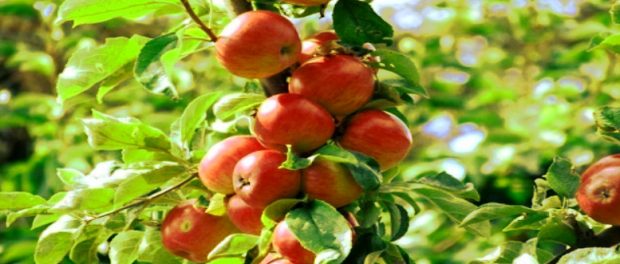
The old fruit varieties represent an extraordinary oneBiological and genetic diversity. Many of these apple, pear and cherry varieties were created over long periods of time under the specific conditions of Lusatia and are excellently adapted to the soil, climate and local pests. This genetic diversity offers a valuable treasure for the future because it opens up opportunities for new breeding and reduces the risk of crop failures. The robustness andAdaptability of old varieties make them an important resource for current and upcoming challenges in fruit growing.
Cultural landscape and ecological importance
Old fruit trees are defining elements of the Lusatian cultural landscape. The characteristic meadow orchards, which structure the landscape and offer numerous animal and plant species habitat, are particularly striking. The management of old fruit varieties makes a significant contribution to landscape conservation, promotes biodiversity and supports ecological services such as pollination andhabit formation. Agricultural use, nature conservation and regional identity are combined in a unique way, which also makes the preservation of old varieties a contribution to the maintenance of cultural heritage and to the stability of ecosystems.
Culinary Diversity and Regional Economy
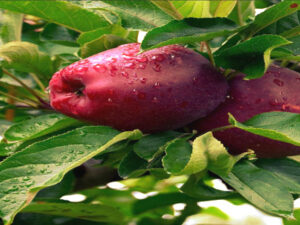
The culinary importance of historical fruit varieties is enormous. Each variety has individual flavors, maturity and finishing qualities that predestine for traditional recipes and regional specialties. Old apple and pear varieties in particular are suitable for must, cake or preservation and give the regional cuisine a distinctive touch. through thePreservation and use of old varieties are emerging niche markets and new marketing opportunities that strengthen the regional economic potential and increase the value of handcrafted products. Products made from historical varieties are increasingly finding lovers in direct marketing and regional branding and thus contribute to the development of Lusatia.
Social networks and sharing knowledge
The preservation of old fruits is always a social project. The joint care, refinement and propagation of trees creates community and promotes the exchange of knowledge and experience between the generations. In clubs, schools and gardens, old techniques, variety names and propagation methods are passed on, so that intangible cultural heritage remains alive. Fruit tree care is with itNot only agricultural activity, but also a social and cultural place of learning, where knowledge about the diversity and the peculiarities of the Lusatian fruit culture develops.
Symbolic and forward-looking role
Old fruits are more than a relic of the past. They are symbolic of the connection between tradition and innovation, because on the one hand they are reminiscent of earlier ways of life and business and on the other hand they offer practical solutions to current challenges. Their resilience and diversity make them hopefuls of adapting to themselves changingenvironmental conditions. They urge the responsible approach to nature and culture and show that sustainable development is closely linked to the preservation of diversity.
Future of the Lausitz fruit cultural heritage
In order to secure this rich heritage, active care, targeted offspring and the networking of initiatives are required. Only through the dedicated work of private individuals, associations and regional actors can the variety of old fruit varieties be preserved and further developed. Educational projects, collections and public relations are just as important as the practical planting of new trees andthe documentation of regional characteristics. In this way, Lusatia remains a landscape in which old fruit varieties are preserved as lively cultural carriers and offer people an unmistakable identity and future perspective.