Lusatia is a region that has increasingly distinguished itself as an experimental field for innovative agricultural methods in recent years. In this context, rice cultivation is also becoming more and more important. First successful cultivation attempts at selected locations show that rice can thrive not only in classic growing areas, but also in Central European regionshow Lusatia has potential. The knowledge gained in this regard on the choice of variety, seeding times and harvesting techniques is a valuable basis for expanding rice cultivation in a targeted manner and adapting it to the specific conditions of the region.
Choice of variety and adaptation to regional conditions
A key element for successful rice cultivation in Lusatia is the careful selection of suitable varieties. Adapting the choice of varieties to the region’s climatic and soil science is crucial in order to achieve stable yields and minimize risks from extreme weather conditions. The use of climate-adapted or drought-resistant rice varieties can helpBetter to cushion fluctuations in amounts of precipitation or temperature fluctuations. The selection of robust varieties offers the opportunity to further increase the yield potential and to reduce susceptibility to diseases or pests.
Optimization of water management and infrastructure
Another key to successful rice cultivation in Lusatia is efficient water management. The further development of existing irrigation and drainage systems is essential to make the most of the water resource. Enable innovative approaches such as the integration of storage use or the adaptation of the water distribution to the specific needs of the rice fieldA resource-saving and productive cultivation. Modern control systems and regular monitoring of field conditions help to precisely control the water requirements and minimize losses. At the same time, the targeted development of the infrastructure can help to create the conditions for a nationwide rice cultivation.
Integration into regional supply chains
Local rice cultivation creates the opportunity to strengthen value chains within the region and shorten the purchase of food. On-site processing and storage promotes the independence of long transport routes and enables direct supply of regional markets. This can increase security of supply, especially in times when globalsupply chains are under pressure. Integration into existing agricultural structures also opens up new perspectives for farms and helps to secure or even expand jobs in the region.
Promotion of agricultural technology innovation and practical trials
The development of practical cultivation systems for rice in Lusatia requires continuous research and numerous practical tests. Cooperation between farms and research institutions is of central importance. Joint field trials offer the possibility of using different cultivation techniques, crop protection measures and harvesting methods under real conditionstest and develop. The exchange of experience and scientific knowledge helps to adapt rice cultivation to the specific challenges of the Central European climate zone and to establish innovative solutions.
Economic and political framework conditions
Solid economic and political framework conditions are essential for the long-term success of rice cultivation in Lusatia. Funding programs can enable investments in infrastructure, technology and research and facilitate the entry for new companies. The development of regional or national markets is another important step in order to make rice cultivation economicalto make sustainable. Political support, for example through advice, networking or targeted public relations, can increase the acceptance and visibility of rice cultivation. At the same time, stronger political and economic support contributes to strengthening regional food resilience and making Lusatia agriculture sustainable.
perspectives for the future
Although rice cultivation in Lusatia is still in its infancy, previous experiences and the potential available suggest a positive development. The combination of innovative cultivation techniques, adapted varieties, efficient water management systems and strong regional networking can help to make rice cultivation a fixed size within the Lausitzerto make agriculture. At a time when climatic and economic challenges require a high degree of adaptability, rice cultivation offers an exciting perspective for sustainable development and nutritional security in Lausitz.

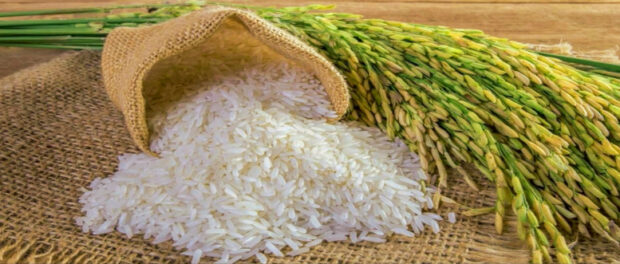 Screenshot youtube.com