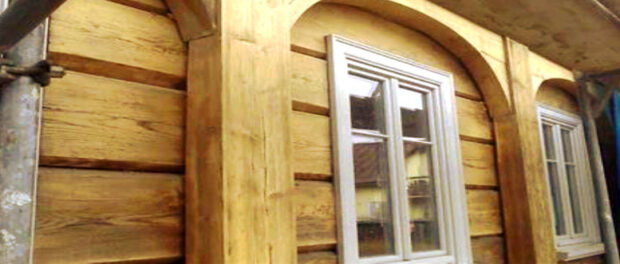
Pśza – What social function the spinning room once had
the spinning room –known in Lower Sorbs as Pśeza– was a significant social and cultural element in the Sorbian villages. It was created from joint work and became a central institution for the preservation of traditional customs and community ties.
Joint work in autumn: The origin of the spinning room
After the harvest season in autumn, the unmarried, decent girls of the village met every evening in the spinning room every evening. The aim of these meetings was to spin yarn together, which was essential for the production of canvas. This yarn played an important role in the household, as it was used for the production of textiles. In addition, the work in thespinning room also a social dimension: It was an opportunity for girls to show their skills, improve their dowry and thus gain better marriage opportunities.
Cultural Meaning: Traditions, Songs and Stories
The spinning room was much more than just a workspace. It acted as a living center of Sorbian and Wendish culture. Here traditions were maintained, further developed and passed on to the next generation. The girls organized the planning and implementation of all youth festivals for the coming year and served as the main place for the spread and consolidation of the Sorbian andWendish song estate. During the work, they told each other stories, legends and puzzles that enriched cultural heritage. They also sang folk songs and chorales, which were sang by a singer – called “Kantorka” in Lower Sorb. These shared songs and stories strengthened the feeling of togetherness and preserved the linguistic and culturalidentity of the community.
Gender separation and special occasions
As a rule, the boys had no access to the girls’ quilt. The boys and girls’ meetings were separate, but there were certain occasions where both sexes gathered together. This included special evenings such as the start of the spinning season on October 11th, the so-called Burkhardstag, as well as the evenings before Christmas and during the carnival. Especially during theThe joint work reached its climax, because it marked the end of the wintry spinning season and was a celebration of togetherness and cultural exchange.
The spinning room as a living tradition
The spinning room was more than just a place of work – it was an important cultural and social center that strengthened the Sorbian and Wendish community. It promoted the transmission of traditions, music and stories, preserved the cultural heritage and created connections between the generations. Through this community work and cultural life, theThe identity of the Sorbian and Wendish community is sustainably shaped and preserved.