Restoration of the Pulsnitztalbahn: Improving regional mobility and everyday paths
Screenshot youtube.com
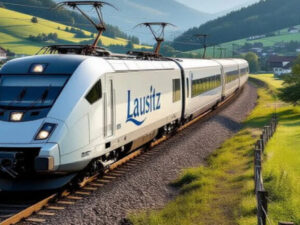
Restoring the Pulsnitztalbahn in western Lusatia offers numerous advantages that go far beyond the mere reactivation of a railway line. One focus is on improving mobility for all people in the region. A modern rail connection allows commuters, students and other travelers to travel reliably and regardless of external influencesto be. Anyone who previously had to rely on their own car will receive an attractive alternative by train, which will make everyday life more flexible and pleasant. The possibility of commuting regularly and comfortably between villages, small towns and larger centers not only makes the commute easier, but also makes it less complicated to reach educational and leisure facilities.
Impulses for the regional economy and tourism
Another important aspect is the positive impact on regional economic growth. Better transport links make the entire Lusatia more attractive for companies, investors and skilled workers. The easy accessibility of commercial locations, tourist destinations and regional events ensures that new companies are settled and existing companiescan expand more easily. In addition, retail, crafts and local restaurants also benefit, as improved infrastructure attracts more visitors and increases the demand for local products and services. A restored rail connection in particular for tourism means a real gain: historical places, idyllic landscapes andCultural peculiarities are more accessible for day and weekend guests. Guests have more time and opportunity to discover the region, which increases the length of stay and generates additional income for the local economy.
Strengthening rural cohesion and social participation
However, the importance of the railway goes even further and concerns the social structure of rural Lusatia. Rail connections create bridges between the villages and towns and thus promote cohesion within the region. A functioning rail connection makes it easier to maintain social contacts, to take part in cultural events or to important institutions such asto reach hospitals and counseling centers. Especially for people without their own cars and older residents, the railways means a considerable gain in quality of life, as it enables independence and participation in social life. The railway thus becomes a link that promotes community and exchange and increases the attractiveness of rural areas for all generations.
Relief of roads and sustainable traffic development
Another advantage of reactivating the Pulsnitztalbahn is the relief of the road infrastructure. If more journeys are shifted to rail, the traffic load on the regional roads is significantly reduced. As a result, traffic jams and signs of wear and tear are decreasing and the costs of maintenance and repairs are reduced. At the same time, theRail transport is a resource-saving alternative to individual car traffic and contributes to establishing sustainable traffic concepts in Lusatia. The railway is thus making an important contribution to the development of a modern, sustainable transport landscape that relies on efficiency and environmental compatibility.
Perspectives for structural change and regional development
In the long term, investment in rail infrastructure is a central setting for the development of the entire region. The construction and operation of the railways create new jobs and offer a wide range of opportunities for training and further education. At the same time, the railway is the backbone for further projects within the framework of regional structural change. She opens up perspectivesFor new economic initiatives, the settlement of innovative companies is facilitated and strengthens the competitiveness of western Lusatia. The restoration of the Pulsnitztalbahn is therefore much more than a traffic-related project – it is an engine for progress, quality of life and securing the future in a region that is changing.

 Screenshot youtube.com