The Art and Impact of Wheel Design in Modern Automobiles
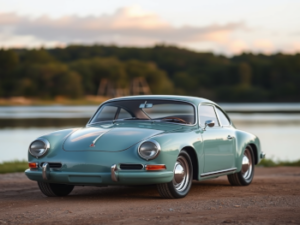
The design of automobiles is far more than just a technical challenge; it is a creative process that evokes emotions and expresses personalities. Every detail, from the curved lines of the body to the selection of materials in the interior, contributes to the overall impact of a vehicle. Designers face the task of harmoniously uniting functionality and aesthetics while taking into account the individual desires of future owners. Innovative technologies make it possible to realize designs that once existed only in the imagination. Thus, the interplay of design and technology creates not only vehicles, but also stories that unfold with every kilometer.
The Crucial Role of Wheels
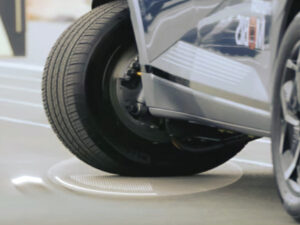
An often overlooked but decisive aspect in automobile design is the wheels, which not only represent functional elements but also contribute significantly to the visual aesthetic appeal of a vehicle. They are the interface between the car and the road, influencing both driving dynamics and the overall impression. Through creative shapes, materials, and surface treatments, wheels help to emphasize the character of a vehicle and give it a distinctive identity. Manufacturers experiment with innovative designs that combine lightness and strength to optimize performance while simultaneously appealing to the individual style of buyers. This sophistication in design not only promotes the driver’s personal connection to their car but also ensures that the vehicle is perceived overall as a work of art on four wheels.
Materials and Their Impact
A key focus in the selection and design of wheels lies in the various materials that can be used. Aluminum alloys are particularly popular due to their low weight and strength, while carbon fiber wheels advance modern lightweight construction concepts. This choice of material not only influences the design but also the performance of the vehicle. Lighter wheels reduce unsprung masses, resulting in improved driving dynamics and more agile handling. Furthermore, the wide range of designs—whether classic, sporty, or futuristic—allows for customization that reflects the personal taste of drivers. The trend is moving toward tailored solutions, where buyers are actively involved in the design process to create a vehicle that perfectly matches their lifestyle. Thus, every wheel becomes not only a functional component but also a stylistic statement and an expression of one’s own identity.