Rooted tradition – the craftsmanship of the Spreewald as a living expression of regional identity
The craftsmanship in the Spreewald is far more than just the production of objects; It is a reflection of the long history, the values and self-image of a region that has been unfolding in its own rhythm for centuries. In the midst of a unique landscape, characterized by branched water-poor, dense forests and unspoilt meadows, a craft has developed,that is inextricably linked to nature. The materials used by the Spreewald artisans almost exclusively come from the immediate surroundings. Wood from the alluvial forests, straw from the fields, reeds from the rivers and pastures from wet shore zones form the basis for the traditional work. This close connection to nature is not only reflected in the selectionof the materials, but also in the fact that the craftsmen reflect the conditions of the Spreewald in their products. The special features of the region become an integral part of the works of art, which means that their origin remains recognizable at first glance.
Preservation of knowledge and sharing of stories
With every braided tendril, every carved wooden figure and every artistically crafted object, not only a product is created, but also a piece of history. Over generations, the craftsmen have passed on their knowledge of the processing of domestic raw materials in order to provide special techniques and creative subtleties. At a time when knowledge about thatCrafts in many places threaten to get lost, the Spreewald is an example of a living tradition. Here the craft heritage is not only preserved, but always revived. The stories that the works of art tell are about the circumstances of earlier generations, of festivals and everyday life, of nature’s challenges and the close community thatSurvival in the Spreewald made it possible in the first place. The craftsmanship of the Spreewald craftsmen is always an expression of common memory and identity that goes far beyond the mere utility of an object.
Sustainability and mindfulness in the choice of materials
An outstanding feature of the Spreewald craftsmanship is the sustainable and respectful use of regional raw materials. The materials are chosen with care: willow rods are cut according to the cycle of nature, reeds are only harvested if it does not endanger the stocks, and the wood comes from well-groomed, sustainably managed forests. This approachGuaranteed that natural resources are preserved and the ecological balance of the region is maintained. The combination of tradition and sustainability benefits every single product. Baskets, furniture, decorative objects and everyday objects convince with their longevity, robustness and timeless beauty. The works of art are therefore not only functional and aestheticAppealing, but also an expression of deep appreciation for nature and a conscious attitude that is becoming increasingly important in today’s time.
Craft as a bridge between past and future
The craftsmanship of the Spreewald does not rest in the past, but is constantly evolving. In view of an increasingly digital world, the craftsmen see themselves faced with new challenges. Traditional techniques must be preserved, but at the same time adapted to changed needs and tastes. Especially in the basket weaving show howInnovation and tradition can go hand in hand. New shapes, colors and uses are created by combining classic patterns with modern ideas. The craftsmen experiment with unusual materials, develop new designs and thus create products that meet both the demands of the present and respect for the past. This creativeFurther development ensures that the craft remains alive and makes the leap into the future without losing its roots.
The art of basket weaving – connection of manual skill and creativity
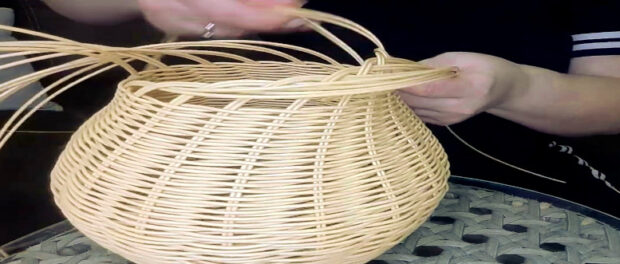
The basket weaving in the Spreewald is a prime example of the craftsmanship and the creative potential of the region. Artistic braiding works are created from natural raw materials such as willow rods, reeds, hazelnut branches and other regional plants, which are much more than just commodities. The materials are selected with great care, since their quality isThe durability and stability of the finished baskets decide. The basket makers make sure that the rods are flexible, the reed resistant and the hazelnut branches are elastic enough to withstand the stresses of everyday life. Sustainable collecting and forward-looking planning ensures that future generations can also use the resources that thenature of the region.
Diversity of techniques and uniqueness of each work
The Spreewald basket weaves master a wide range of techniques, from simple, functional braided patterns to complex, artistically sophisticated designs. Each basket is handcrafted, with the craftsmen falling back on a variety of traditional and modern methods. The shapes and patterns vary depending on the purpose: large shopping baskets,Filigree bread baskets, decorative wall objects or robust harvest baskets – each work is unique, which is characterized by the individual handwriting of the craftsman. The attention to detail, the knowledge of the properties of the materials and the years of experience make each piece a little work of art. The combination of practicality and aesthetics ensures that the Spreewaldwickerwork is not only valued in everyday life, but also perceived as an expression of regional artistry.
Importance for the cultural identity and future of the region
The craftsmanship in the Spreewald is a decisive factor for the cultural identity of the region. It helps keep the knowledge and history of the ancestors alive and is an important link between generations. Craftsmen who pass on their skills thus create the basis for a cultural continuity that in a time of rapid changeis becoming increasingly important. At the same time, the trade strengthens the regional economy and creates jobs based on traditional values and sustainable use of natural resources. In a world that is increasingly characterized by rapid changes and technological advances, the Spreewald craftsmanship offers a counterpoint: It shows that consistency,Care and appreciation of material and tradition are still of great importance today.
Craftsmanship as a living cultural heritage
The craftsmanship in the Spreewald is a fascinating example of how regional tradition, craftsmanship and innovative adaptation can shape the cultural identity and cohesion of a region. From the sustainable use of domestic raw materials to the variety of craft techniques to creative new developments in the basket weaving industry, it shows how tightpast, present and future are connected. The craftsmen not only preserve old techniques and knowledge, but also develop them further and thus ensure the continuation of a valuable cultural heritage that gives the Spreewald its unmistakable character.