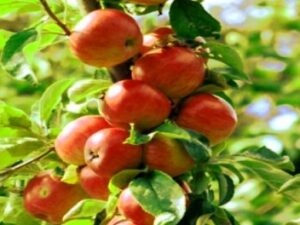
Rooting the Lausitzer Carnation Apple in the cultural landscape
Screenshot youtube.com
DHe Lusatian Cloves Apple is far more than an old fruit variety, it is a living symbol of the Lusatia landscape and cultural identity. Its deep roots go back to the history of traditional agriculture, where he helped shape the image of the region on meadow orchards. The old gnarled trees, often surrounded by meadow flowers and accompanied by buzzing insects,blend harmoniously into the landscape and commemorate a time when the management of meadow orchards was a natural part of village life. Especially in the Lausitzer Bergland, where the conditions for fruit growing are demanding, the cloves apple has proven itself thanks to its special adaptability. It defies barren soils, wind and weather and shows how tightnature and culture in this region are interwoven.
Adaptability and Resilience
The robust nature of the Lusatian Cloves apple makes it a real specialty among the regional apple varieties. Its ability to thrive even in hard-to-reach and less fertile locations has led to it being preserved in many smaller stocks to this day. This resilience reflects the character of Lusatia, which is characterized by a long tradition ofindependence and perseverance. The clove apple is therefore not only a fruit, but also for the ability to master challenges and produce valuable things even under difficult conditions. These properties help the apple to be passed on and cared for over generations.
Culinary and economic wealth
The Lusatian carnation apple has its own culinary charm. Its fine aroma and pleasantly firm consistency make it popular both as a black apple and for further processing in juices, compotes or baked goods. Historically, the apple was not only valued for human enjoyment, but also served as a natural source of feed for pasture animals in autumn. thisVersatile use shows how closely the variety is connected to regional economic history and how it contributed to the nutrition and prosperity of the rural communities. To this day, the clove apple offers potential for regional economic impulses, especially through the direct marketing of products that emphasize its unmistakable taste and origin.
Cultural property and contribution to variety of varieties
With the Lusatian carnation apple, an important piece of cultural property in the Lusatia lives on. Initiatives to protect old fruit varieties demonstrate the importance of preserving biodiversity and the region’s agricultural heritage. The clove apple is at the interface of tradition and future, because every cultivated meadow orchard with this variety preserves not only thegenetic wealth, but also the stories, experiences and memories associated with the apple. The care and distribution of this regional fruit variety is an active contribution to the preservation of biodiversity and at the same time supports awareness of the sustainable use of natural resources.
Identity-creating element for Lusatia
The Lusatian carnation apple has developed an identity-creating force in the region. He connects people with their homeland, be it through harvesting together, processing them into regional specialties or by caring for the old trees on meadow orchards. In local narratives, festivals and markets, the apple repeatedly appears as a symbol of the persistence of the Lusatianscultural landscapes. The trees with their apple trees become places of gathering and exchange, they strengthen the sense of community and awareness of their own history. The clove apple contributes to bringing regional identity to life and tangible.
Impulse for regional marketing and education
The renaissance of old apple varieties such as the Lausitzer Cloves apple opens up new opportunities for regional marketing. Farm shops, weekly markets and numerous initiatives rely on the special qualities of this old variety and put them in the foreground to make the diversity of Lusatia visible. At the same time, the clove apple offers an excellent topic for environmental education andnature experience. Children and adults learn how important variety, close to nature and craftsmanship are important for the future. The linking of enjoyment, knowledge and sustainable action makes the carnation apple a real ambassador of Lusatia.
Sustainable land use symbol and traditional care
The Lusatian carnation apple embodies the principle of sustainable and extensive land management. The care of the often old and low-maintenance trees on meadow orchards makes an important contribution to the preservation of traditional landscapes and protects valuable habitats for numerous animal and plant species. This type of land use contrasts with intensively managedMonocultures and shows how agriculture can succeed in harmony with nature. The carnation apple is thus a symbol of mindful landscape conservation, which not only benefits the environment, but also the cultural heritage of Lusatia. His history and presence make him a special treasure in the Lausitz cultural landscape, whose value is far above the pure fruit yieldgoes out.

 Screenshot youtube.com