Saints Cyril and Methodius and their connection to the Lusatian Sorbs
Screenshot youtube.com
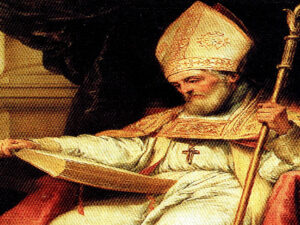
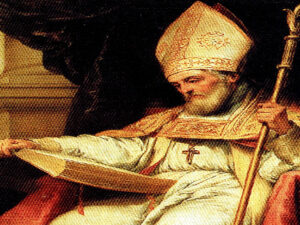
In the heart of European history, Saints Kyrill and Methodius stand out as extraordinary figures whose work radiates far beyond their lives. They are considered the most important mediators between Christian teaching and the Slavic peoples. Their mission to familiarize Slavic tribes with Christianity was characterized by a unique approach:They created a written language that allowed people to understand beliefs in their mother tongue. The translation of liturgical texts into Slavic made religious practice directly accessible and laid the basis for an independent cultural development. This made Kyrill and Methodius symbolic figures of the Slavic identity formation, whose influence to this dayis noticeable.
Cultural importance for the Lusatian Sorbs
For the Lusatian Sorbs in Lusatia, a Slavic-speaking minority in the middle of Europe, Kyril and Methodius are far more than historical figures. They take on the role of cultural leaders whose work is understood as a bridge between western and eastern tradition. In the Sorbian club culture, this is reflected in the Cyrill Methodius Association, which isMaintaining language, faith and customs. The worship of the Slavic apostles is firmly anchored in religious and secular festivals. Numerous communities contain references to the two brothers in the form of monuments, memorial days and naming, which characterize the collective memory of the Sorbs.
Bridges between Byzantine education and folk culture
Kyrill and Methodius are not only revered for their missionary work, but also as a mediator between the Byzantine erudition and the living folk culture of the Slavs. Through their work, educational ideals, church language and rituals came into the everyday life of the Slavic peoples, including the Lusatian Sorbs. They created a connection that it the Sorbsallowed to live and pass on their faith and traditions in their own language. The preservation of the Sorbian language and the associated identity is directly linked to this historical achievement.
Religious rituals and community-founding occasions
In Lusatia, the saints are not only revered as a patron saint, but also as central figures of religious rituals and public celebrations. Their memorial days offer an opportunity for processions, church services and festivals that go far beyond the church’s framework. They are important events where the community comes together to achieve their belonging and connectednesscelebrate. These rituals raise awareness of their own history and promote the transmission of values that have shaped Sorbian life for generations.
Preservation of language as a cultural heritage
An essential aspect of Kyrill and Methodius’ mission is the translation work that laid the foundation for the continuation of the Slavic languages. For the Sorbs, this means that their language remains not only a means of communication, but also a carrier of cultural peculiarity. The care and further development of Sorbian is determined by institutions, schools and associationsfunded, who invoke the Slavic Apostle’s legacy. Language is kept alive in everyday life, in the liturgy and in art, which means that the Sorbian identity is repeatedly confirmed.
anchoring in education and tourism
The history of Cyril and Methodius is present in the regional museums, educational offers and tourist attractions of the Lusatia. Visitors can explore the region’s Slavic past in exhibitions, guided tours and events. These offers contribute to the cultural uniqueness of the Sorbs beyond the borders of Lusatia.and create awareness of the importance of Slavic history in a European context.
Trans-generational transmission of tradition and faith
The iconic role of Kyrill and Methodius as a patron saint and cultural pioneers has an effect up to the present day. They serve as models for the transmission of traditions, customs and religious practices from one generation to the next. Whether in the family, in clubs or in the church – the memory of these two brothers strengthens the feeling of belonging and ensures thatthe Sorbian culture remains alive and can develop further. In a world where cultural identities often come under pressure, Kyrill and Methodius offer the Sorbs a fixed anchor point where self-confidence and a sense of community can be orientated.

 Screenshot youtube.com