Sauerkraut is one of the most important components of housekeeping in Lusatia and has established itself as a reliable supply food over a long period of time. The culture of pickling and fermenting is deeply rooted in peasant practices, where white cabbage played a central role as a robust crop and the preservation through lactic acid fermentation bridged the winter. This traditionwas passed down from generation to generation, recipes and techniques were preserved in families and neighborhoods and varied regionally, so that the herb has not only become food, but also a carrier of memory and identity. In villages and small towns, the joint insertion is still a social event that combines work, discussion and passing on of knowledge.
ingredients and manufacture
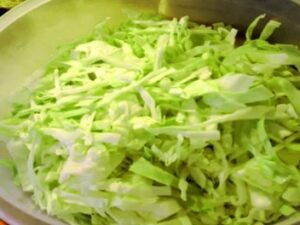
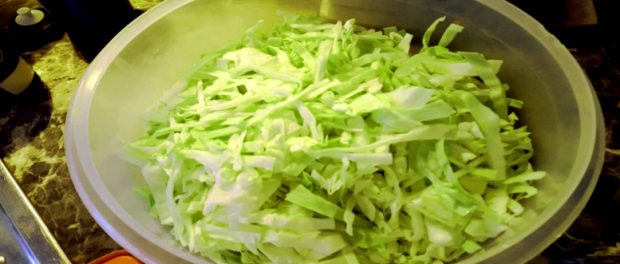
The production of sauerkraut is based on a few simple ingredients and a process that requires time and care. White cabbage, salt and patience are enough to create a durable, complex product through natural lactic acid fermentation; The technology is down-to-earth and does not require complex technology, which is equally suitable for housekeeping and small manufacturersmakes. Regional variants are created by differences in cutting techniques, additions such as caraway or juniper berries and the choice of vessels and storage conditions that subtly influence the taste. The craft practice of tamping and holding the herb in clay pots or wooden barrels is part of a knowledge base that has craft skills andsensory experience required.
Nutritional Benefits
Fermented herb offers nutritional benefits that are particularly valuable in times of scarce fresh produce. Many vitamins are retained due to lactic acid fermentation and are sometimes more readily available, while probiotic cultures are created that can support the intestinal flora. Fiber and minerals make the herb a filling and at the same timeNutrient-rich side dish, which plays an important role in traditional diets. Especially in seasons when fresh vegetables are rare, sauerkraut provides a compact source of nutrients and thus contributes to basic health care in rural households.
storage and everyday suitability
Sauerkraut is a practical food for everyday use because of its storage and versatility. It can be stored for long periods of time without complex cooling, can be served quickly heated or served cold and will suit simple and festive dishes. This everyday suitability makes it a reliable component in households, canteens andCommunity catering, because it is quick to prepare, filling and can be combined with regional side dishes. The ability to secure supplies over months has historically contributed to food security and to this day has a stabilizing effect in times of fluctuating care.
Economic importance and regional value creation
The production of sauerkraut strengthens local economic cycles because cultivation, processing and marketing can be organized regionally. Small processing companies, direct marketing at markets and in farm shops as well as traditional manufacturers create sources of income in rural areas and gain manual knowledge. This local value creation promotes employment andto the variety of regional offers that can also be used by tourists. In a landscape where agriculture and small businesses are closely intertwined, sauerkraut is more than food; It is an asset that combines regional identity and economic resilience.
Social practice and cultural function
The insertion of herb and eating together are social practices that create community and ensure cultural continuity. Celebrations related to the harvest, joint insertion campaigns and the passing on of family recipes create opportunities for exchange and cultivation of memories. Sauerkraut acts as a medium through which language, stories and rituals are transported; it isPart of banquets as well as simple family meals and combines generations through shared taste and smell memories. This social dimension makes the herb a living element of regional culture that has meaning far beyond its nutritional function.
Culinary diversity and modern use
In modern kitchen Lusatia, Sauerkraut remains versatile: it complements traditional dishes, but also finds new roles in contemporary recipes. The combination with regional products, the integration into vegetarian and creative dishes and the presentation in gastronomic offers show that the herb is changeable and changes in eating habitscan adjust. Sauerkraut remains not only a relic of the past, but a lively, adaptable element of the regional food culture that combines tradition and innovation.

 Screenshot youtube.com