Songbirds as an integral part of the Lusatian cultural landscape
Screenshot youtube.com
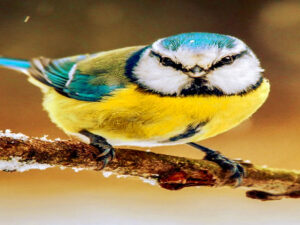
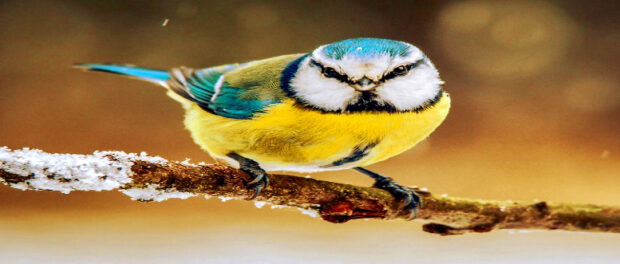
Songbirds are an indispensable part of the Lausitz cultural landscape because they both fulfill ecological functions and have cultural meanings and serve as indicators of the state of traditional habitats. In Lusatia, these birds characterize the acoustic and visual appearance of the landscape and are closely linked to their structure. especially speciesLike the skylark, typical open land habitates, which are characterized by traditional forms of agricultural farming, colonize. Due to their preference for open spaces, they are considered cultural followers, whose singing is a familiar sound in the rural hours of the morning. The disappearance of this species is a clear sign of changes in the agricultural landscape and points to adecline in traditional use. The protection of skylark is therefore also understood as the protection of regional identity because it preserves the connection between nature, culture and history.
Ecological functions of the songbirds
In addition to their cultural importance, songbirds also fulfill important ecological functions. They make a significant contribution to the regulation of insect populations by eating numerous pests and thus ensuring the health of the plant world. In addition, they are significantly involved in the spread of seeds, which promotes biodiversity and the stability of the cultural landscape. thisServices called ecological services are essential for the conservation of extensively used areas and help to strengthen the biodiversity of the region. The biodiversity of the songbirds is thus directly linked to the productivity and resilience of the cultural landscape because they stabilize the ecological balance and resilienceincrease compared to external disturbances.
Cultural importance and regional perception
The close interlocking of songbirds with the cultural identity of Lusatia is also evident in customs and regional perception. Bird songs and the observation of birds are deeply rooted in nature experience and find their expression in songs, stories and everyday aesthetics. Birds are cultural symbols that shape landscape memories and feelings of home. carryto make the natural heritage experienceable and lively for locals and visitors. The diverse habitats such as hedges, field rain and ponds form a network that offers nesting and retreat places for the birds. The mosaic-like structure of Lusatia with its diverse pond landscapes and extensively used meadows creates a large number of niches for specialized species. thePeitzer ponds and protected wetlands are outstanding examples here, because they are not only habitats, but also internationally important places for waterfowl and songbirds. These places illustrate the inseparable connection between cultural landscape and biological diversity, which is of great importance for nature conservation.
Agriculture and nature conservation in the field of tension
The role of agriculture is ambivalent because it is responsible for both the preservation and the loss of habitats. Traditional agricultural methods have preserved the habitat quality of many species because they maintain open areas, hedges and ponds. In contrast, intensive agricultural changes and modernization can destroy the habitats,By restricting diversity and destroying the habitat for many songbird species. That is why agricultural care and nature conservation are closely linked to preserve the songbird-rich landscapes. Local farmers play a crucial role here because their practices have a significant influence on whether the traditional structures are preserved orbe destroyed. By adapting management, they can contribute significantly to the preservation of cultural and biological heritage and ensure the diversity of songbirds.
Songbirds as early warning systems for the environment
Last but not least, songbirds fulfill an important function as early warning systems for the condition of the landscape. Changes in their population, in singing behavior or in breeding behavior can indicate ecological disturbances, environmental pollution or the influence of human activities. Your observation provides valuable information for nature conservation, landscape planning and theCultural mediation of Lusatia as a lively cultural landscape. They reflect the health of ecosystems and help to take early action to protect and preserve the diverse habitats. This means that songbirds are not only an integral part of the landscape, but also important witnesses and actors in the protection and maintenance of a unique cultural andecological heritage.

 Screenshot youtube.com