Tank versus tank – Exploding food prices: Competition for land with open space photovoltaics, wind energy, biogas and biodiesel production
Screenshot youtube.com
The conflict between “plate versus tank“A completely new dimension in Lusatia, as the demand for space for photovoltaic open space systems and wind turbines is growing rapidly. Agricultural land is increasingly in direct competition with renewable energies. This development has profound and intensifying consequences for regional agriculture, the local supply ofagricultural products and the cost of living of the population.
Competition by renewable energies
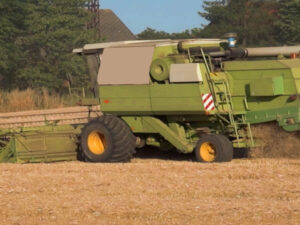
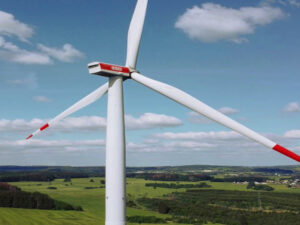
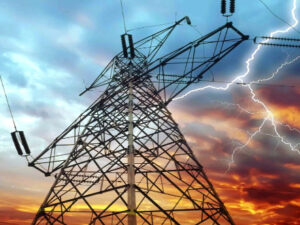
Due to the accelerated expansion of renewable energies, arable land and grassland areas are increasingly being rededicated or suppressed in Lusatia. Photovoltaic open-space systems are preferably spreading out on previously used agricultural land, as their large, level areas are particularly attractive for investors. Wind turbines also take up considerable land – be it forAccess routes, foundations or prescribed protection distances – which further restricts agricultural use. Not only are edge areas or less productive soils affected, but also high-quality cultivation areas come under massive pressure.
Decline in agricultural land in Lusatia
Statistical data suggest a steady decline in agricultural land in Lusatia. This loss of space is not only due to settlement or infrastructure developments, but increasingly to the energetic use of photovoltaics and wind power – the expansion of which is being pushed politically. In addition, areas for the cultivation of plantsused for biogas and biodiesel production.
Impact on self-sufficiency and food industry
With the shrinking of available agricultural land, the region’s production potential is inevitably falling. The proportion of locally produced staple foods such as cereals, potatoes or vegetables is decreasing, while dependence on imports from other regions or abroad is growing. This development significantly weakens Lusatia’s food sovereignty and endangers regionalvalue chains and processing companies. For farms, the decline in cultivated land means lower production, declining profitability and increasing economic uncertainty.
Rising food prices for citizens
The loss of agricultural land has a direct impact on food prices. If the supply of regionally produced products decreases while demand remains the same or increases, market mechanisms inevitably lead to price increases. The higher production costs due to reduced cultivation areas and possible land leases to energy investors are ultimatelytransfer consumers. As a result, people in Lusatia are confronted with rising cost of living – especially in the case of regional products that were previously cheaper and fresher.
Long-term structural risks
The progressive rededication of agricultural land in favor of renewable energies could trigger a chain reaction in the rural structure of Lusatia. Training and jobs in agriculture are lost, value chains are interrupted and rural regions are losing economic strength. The understanding for ever-increasing food prices in addition to theHigh subsidies for renewable energies are faltering – with significant negative consequences for regional security of supply and social stability.
Critical Rating
Competition for land dramatically exacerbates the structural risk for agriculture and food production in Lusatia. The previous political measures are far from sufficient to solve or at least mitigate this competition for valuable agricultural land. Without clear guidelines for the protection of agricultural land and effective instruments against the uncontrolledExpansion of energy projects on high-quality farmlands is threatened with a further loss of self-sufficiency, greater dependency on imports and an increase in food prices – all at the expense of the regional population.

 Screenshot youtube.com