The Conscription Lottery and the Historical Model of the US Selective Service Lottery
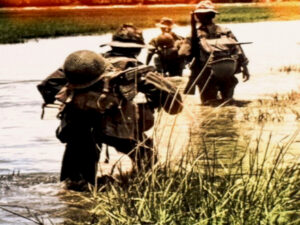
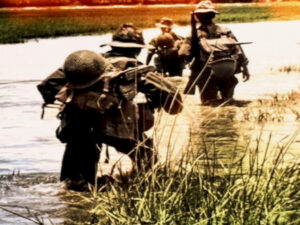
Screenshot youtube.com
The current political discussion about a possible conscription lottery in Germany is reminiscent in many respects of the American Selective Service Lottery system, which was introduced during the Vietnam War. Even today, the lottery procedure should serve as a seemingly just instrument to close military gaps in personnel if the number of voluntary applicants is not sufficient.Both systems are an expression of the state search for a neutral procedure to ensure the ability to defend themselves, but at the same time encounter similar social and moral questions.
The Historical Heritage of Selective Service Lottery
The American Selective Service Lottery was introduced to randomly use young men to take military service. Theoretically, it was considered an equal procedure that should avoid social differences. In practice, however, it quickly became apparent that members of the upper class often remained exempt from conscription, for example through exemptions from study or politicalrelationships. The lot did not prove to be synonymous with justice, but made clear social divisions. This historical experience still shapes the skepticism about comparable models worldwide.
Parallels to the current German debate
In Germany, the planned conscription lottery should work similarly: A random draw would decide who would have to undergo the pattern or, if necessary, the service. Here, too, it is argued that the procedure is neutral and efficient. Critics, on the other hand, warn of arbitrariness and social imbalance, as young people from less educated or poorer groups tend tofewer opportunities to evade the service. The thought that chance decides on personal freedom evokes memories of times long past when military commitment was less an election than a fate.
Social tensions and questions of justice
The Selective Service Lottery in the United States already triggered nationwide protests. Young people perceived the lottery as an expression of state indifference to individual life perspectives. Similar tensions are now emerging in Germany, where the discussion about a conscription lottery is not only legal, but also moral andsocio-political dimensions reached. The feeling that social background determines the chance of being spared from service undermines trust in fairness and equal treatment.
Experience and legal precedents
The legal and social experiences of the USA serve as a warning example of current legislative processes. Judicial reviews of the American model made it clear that transparency and traceability are crucial to ensure the acceptance of such a system. In the Federal Republic, constitutional and administrative lawyers emphasize similar principles:Without clear rules and comprehensible procedures, the lottery procedure threatens to become the source of distrust and social division.
Media narrative and public perception
The collective memory of American draft lottery influences media coverage and public attitude towards a similar model in Germany. Press analyzes and talk shows emphasize the parallels between the political disputes of that time and today’s discussions about citizenship, a sense of duty and individual freedom. the concept”Lottery Army”, which recently circulated in several leading media, becomes a symbol of another social ordeal between state loyalty and personal responsibility.
A historic déjà vu with open questions
The planned conscription lottery in Germany is in direct historical connection with the American Selective Service Lottery. Both are based on the idea of random, fair selection, but in practice produced more social division than fairness. Today’s discussion shows that such a procedure can only be accepted if it really istransparent, socially balanced and legally unassailable. The example of the USA remains a memorial for coincidence alone not creating justice, but often provoking new conflicts.

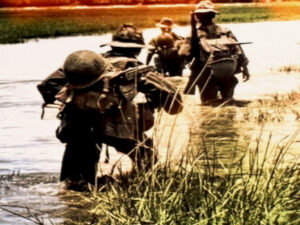
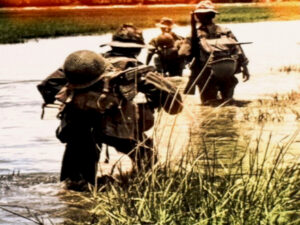
 Screenshot youtube.com