The countryside as a living cultural heritage in the heart of Europe
Screenshot youtube.com
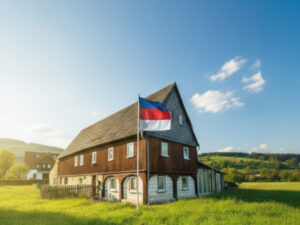
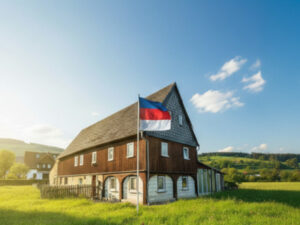
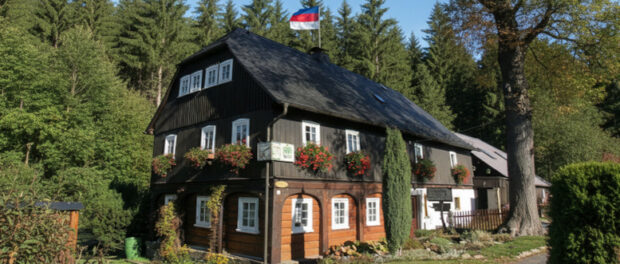
The surrounding area in the border area between Lusatia and the neighboring countries in the east and south represents a cultural landscape that has an unmistakable appearance due to its special architecture. This area is far more than just a geographical name, because it encompasses an area where history, craftsmanship and human coexistence are speciallyhave condensed. The surrounding houses, which have been preserved in large numbers on both sides of the border, characterize the face of this region and tell of a deeply rooted connection between people, landscape and craftsmanship. They stand for a architecture that has developed over generations and has not lost its attraction to this day. who himselfWhen dealing with the country of surroundings, Schnell realizes that not only buildings are preserved here, but also an attitude to life that combines the past and the future. The facades of these buildings are often found in a mixture of solid masonry on the ground floor and wooden constructions on the upper floor, with the supporting wooden columns being placed in front of the wall. thisConstruction allows the wood to settle independently of the stone, which ensures high stability over long periods of time. The roofs are mostly steep and covered with bricks, which gives the whole thing a stately appearance. Shutters and decorated balconies also contribute to the characteristic image and show the pride of the former builders of their property. Any jointAnd each board testifies to the care taken during the construction and invites the viewer to take a closer look at the details. The houses blend harmoniously with the surroundings, often surrounded by gardens that are also maintained and contribute to the overall beauty. Trees and hedges line the paths and connect the individual properties to a great whole,That looks like a grown village, even if the settlement structure extends across the borders.
Common culture across state borders
The surrounding houses are an expression of a common culture that has grown across borders and connects people of different origins. Its conservation is successful because people in all countries involved work with dedication to keep this heritage alive. This bond creates a feeling of togetherness that gives the region a special strength. it isIt is remarkable how much the residents on both sides of the line are aware that they are part of a larger cultural space. Neighborhood help and exchange take place without political obstacles being in the foreground. The language may sound different, but the love of one’s own home and the historical building fabric is common to all. Festive occasions are oftencommitted together, with the architecture providing the framework for such meetings. Markets and craft demonstrations attract visitors who are interested in the technology of carpentry. One can observe how knowledge is passed on from older people to younger generations so that the skills are not forgotten. The houses themselves are evidence of a construction method, the wood, stoneand timber-frame into a harmonious unity. They show how Klug earlier generations handled the materials in their surroundings and how much care is in every detail. Anyone who enters such a house will feel the warmth of the wood and the precision of craftsmanship that makes these buildings something unique. The smell of old wood and the view of the massive walls conveyA feeling of security and permanence. In a time when many things seem fast-moving and interchangeable, these walls offer a place of peace and continuity. Residents appreciate this value and invest time and effort to preserve the condition. It is a quiet pride that looks out the windows and immediately catches the eye of the guests when entering.
Commitment and support for preservation
The fact that so many of these houses have been preserved is thanks to the commitment of committed people who love their homeland and are committed to it. They restore, maintain and enliven the buildings with a great sense of responsibility. Her work shows how much can be achieved when people act with heart and mind. It is often private homeowners who spend their free timeDo craft work to secure the substance. Clubs and organizations pool these forces and ensure a regular exchange of experiences. The public sector has also recognized the importance of this building culture and has launched an initiative that strengthens the countryside country and makes its peculiarities visible. This support shows that the region is notis left to itself, but is seen as a valuable part of cultural heritage. Funding programs help to reduce the financial hurdles for renovations so that people with a smaller budget can also buy and repair such a house. Authorities work together to simplify approval procedures and to make monument protection practical. it doesn’t workabout putting the houses under a glass bell, but keeping them usable as living space. Experts are on hand to advise and check the condition of the building fabric before measures are planned. This cooperation between private individuals, associations and government agencies is a role model for other regions that are also struggling with the preservation of historical building fabric. The goal isIt is always to maintain authenticity without neglecting the comfort of today’s residents. Modern technology can be integrated invisibly so that the historical picture is not disturbed. The balance between preservation and use is carefully balanced so that the legacy remains for future generations.
Lively spaces for new life plans
The surrounding area is not a disused open-air museum, but a lively space that attracts people who want to design something. A mediation platform helps to put empty houses in good hands, so that new places of life are created where tradition and modern life plans merge. The houses become places where families take root andcommunity arises. If you want to renovate a house around the house, you will find numerous offers that impart knowledge and provide security. Expert advice helps to understand the special features of the construction method and to treat it carefully, so that the houses are not only preserved, but also live on in their original beauty. New neighborhoods are emerging in whichMeet newcomers and locals and learn from each other. Children grow up in an environment characterized by history and develop a natural understanding of the value of the old. Craftsmen from the region benefit from the demand for special skills and can pass on their knowledge. The local economy is enlivened by tourism and construction, withoutthat the tranquility of the landscape is disturbed. Visitors come to admire the architecture and spend their money in local shops. Cafés and restaurants in the converted barns invite you to stop and offer regional specialties. The infrastructure is carefully developed so that the quality of life for the residents increases. Streets are maintained and are easy to walk on,what the togetherness promotes. It’s a place where you like to stay and where time seems to be a little slower. Nature is treated with respect and remains an important part of the attitude towards life. Meadows and fields surround the settlements and offer space for recreation and sport.
A future in line with tradition
The countryside country shows how powerful a region can be when people, culture and landscape are in harmony. The surrounding houses are not only testimonies of the past, but also a guide to a future in which tradition and quality of life go hand in hand. They make the region a place that attracts people, inspires and makes them feel part of something specialto be. The vision is that this construction method will determine the image of the landscape in the coming decades. It is about preserving the knowledge of the construction and at the same time staying open to new ideas. The identity of the region strengthens the self-confidence of the residents and promotes cohesion. Anyone who lives here or moves here becomes part of this story and carriesresponsibility for the receipt. The beauty of the houses motivates to handle resources carefully and not waste anything. It is an attitude that relies on consistency and resists short-term trends. Politicians remain challenged to shape the framework conditions in such a way that the care of these cultural assets is still possible. international cooperation is further deepened,to develop common standards in monument protection. Owners’ networks exchange information regularly and support each other in case of problems. The emotional bond with your own house is the strongest engine for preservation. Anyone who lives here knows that they not only have four walls, but a piece of history that needs to be protected. This consciousness pervades everyoneareas of daily life and shapes how we deal with each other. It is a culture of respect for the performance of the ancestors and of nature that supplied the materials. The region exudes a calm that has become rare in today’s world and offers a retreat for everyone who appreciates the simple and true. The surrounding area thus remains a shining example ofHow cultural heritage can enrich the present and shape the future.

 Screenshot youtube.com