The densities in the border triangle: A living cultural heritage in the middle of Europe
Screenshot youtube.com
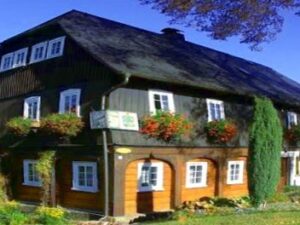
The landscape in the border triangle between Lusatia, the Czech Republic and Poland is characterized by an architectural diversity that looks back on a centuries-old tradition and a unique architecture. Within this cultural field of tension, the surrounding houses are living witnesses of a bygone era, in which craftsmanship, regional material and community buildingformed a harmonious unit. These buildings are not only simple houses, but also an expression of regional identity and cultural diversity, which, through their special construction, their choice of materials and their lively craft tradition, significantly shape the townscape and deserve special protection and care.
Architectural Uniqueness: A hybrid construction
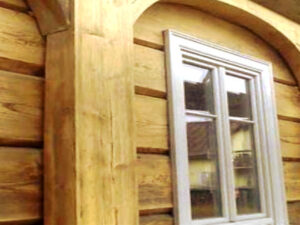
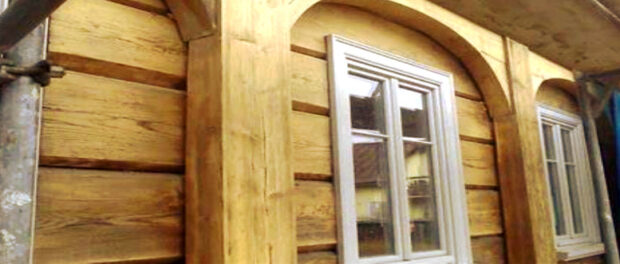
Their uniqueness lies in the innovative design, which combines various traditional techniques to create a hybridized construction. In these buildings, block construction, half-timbering and solid construction combine to form an architectural form that hardly ever occurs in Europe a second time in density and diversity. The construction is characterized by a circumferential beam that the house like asurrounds the frame and enables both static stability and creative freedom. These beams give the buildings a distinctive presence, which makes them characteristic eye-catchers in villages and town centers. The interplay of the different construction methods creates a lively structure that gives the buildings a special depth and expressiveness.
Sustainability and regional materiality
The materiality of the surrounding houses reflects a sustainable building culture that is deeply rooted in the region. Wood, clay, straw and stone are the traditional building materials that always come from the available raw material sources. They not only ensure a pleasant room climate, but also testify to a technical solution competence that consists of the regionalhas developed raw material availability. These natural building materials are living witnesses of a sustainable construction method, which is designed for durability and environmental compatibility. The use of these materials connects the houses with their environment and makes them authentic witnesses to a culture that lived and built in harmony with nature.
Historical economic and production culture
Originally, the surrounding houses were an expression of a historical economic structure, in which weaving, home industry and crafts played a central role. Many of these buildings served not only as dwellings, but also as jobs and production sites for the local economy. The close connection between architecture and regional production documents a culture ofcommon economics that remains visible to this day. The interplay of living and working space in a building shows how closely the lives of people were connected to their craftsmanship.
Cultural importance and localization
In today’s landscape of the border triangle, the surrounding houses are more than just buildings; They are elements that create identity that shape the townscape and make the cultural heritage visible. Their diversity in form, decoration and proportions tells of a cultural exchange that took place over centuries and different building traditions merged. theConstruction reflects the mixing of Slavic and Central European influences that have had a significant impact on the region’s appearance. This diversity makes the houses lively testimonies of cultural coexistence that has left its mark to this day.
Monument preservation and conservation measures
The preservation of these buildings is of great importance for monument preservation, because they not only preserve individual buildings, but entire settlement structures and usage patterns. The professional remediation and the preservation of the substance are essential to ensure the authenticity and historical importance of the houses. Special advice and craftsmanship are required to build the building fabricto preserve and restore the original architecture. Only in this way can the surrounding houses retain their role as living witnesses to a regional building culture and be preserved for future generations.
Economic opportunities and regional development
In addition to their cultural importance, the surrounding houses also offer economic potential for rural areas. Through targeted restoration measures and the development of tourist offers, the region can increase its value creation, gain craft knowledge and develop new usage concepts for vacant buildings. These approaches strengthen the local economy, promote preservationold craft techniques and contribute to making the cultural heritage actively tangible. The combination of monument preservation and sustainable regional development creates a win-win situation that underlines the importance of the surrounding houses in a cultural and economic context.
Cross-border cooperation and cultural landscape
After all, the surrounding houses are a living example of a cross-border cultural landscape. Joint initiatives, foundations and networks promote the maintenance and mediation of this special form of architecture and strengthen cooperation between the countries. The exchange and joint care creates a strong identity that makes the region visible as a whole.The houses are not only witnesses to a bygone era, but also living building blocks of cross-border cultural cooperation that strengthens the European sense of togetherness and preserves the diversity of this unique cultural landscape.

 Screenshot youtube.com