The development of industrial timber house construction in Niesky and its importance for the Lusatia
Screenshot youtube.com
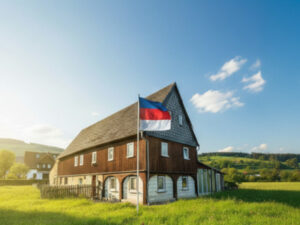
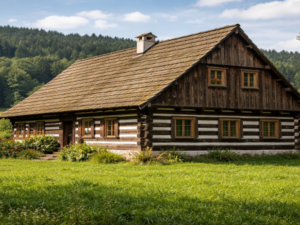
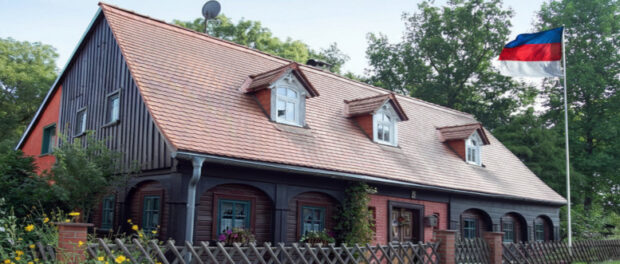
In the Lusatia region, which is located in eastern Germany, a unique tradition in the construction of wooden houses developed over the course of the twentieth century. The city of Niesky in particular stands out for its special history, which is closely linked to the industrial production of prefabricated wooden buildings. In this city, in the early 20th century, almost a hundredModel houses made, which significantly shaped the appearance of the entire region. These buildings are not only testimonies of technical innovations, but also an expression of a significant cultural movement in the field of construction. The cityscape is largely characterized by these industrially manufactured wooden buildings, which still leave a visible impression today and the historytell an innovative craft. This development made a significant contribution to positioning Lusatia on the map of modern timber construction and still has an influence on regional building culture and economic self-image to this day.
The most important building: The director’s home in Niesky
The most famous and important building in Niesky is the so-called director’s house, which is located on Goethestrasse. This building was built in 1927 according to a design by the well-known architect Konrad Wachsmann. Wachsmann, an important representative of the modern wooden house construction, worked in the region at the time and left a permanent architectural legacy here.The house is now considered one of the most important testimonies for early industrial timber construction in Germany and, in addition to the summer house for Albert Einstein in Caputh, is the only surviving wooden house of this renowned architect in Germany. This building is an outstanding example of the functional and at the same time aesthetically appealing timber construction of the 1920s. It embodiesThe innovative power that was in the construction of timber houses at that time shows how modern architecture and technological advances were harmoniously combined. The building was acquired by the city of Niesky in 2005 and has been carefully renovated since then. After completion of the renovation work, it was made accessible to the public in 2014 and servesToday as a museum and educational institution.
The influence and development of the wooden house construction in Niesky
At the time of the early twentieth century, Niesky was the leading center for innovative and industrial wooden house construction in Europe. The company Christoph & Unmack, which was then the largest timber construction company in Europe, produced a large number of important buildings in the 1920s and 1930s, which set standards in terms of quality and diversity. Among the outstanding projects wereThe summer house for Albert Einstein am Schwielowsee, a hotel on the Zugspitzplateau and a hunting house for the Reich President of the German Reich in the Schorfheide. With its slogan, which addressed the properties of building, namely “cheap – permanent – thermally insulating – functional – modern”, the company Christoph & Unmack advertised its extensive range. The company producedA wide range of buildings, including single and multi-family houses, churches, hospitals, schools, gymnasiums, train stations, radio towers, industrial halls and aircraft halls. These buildings were industrially prefabricated and manufactured in series production, which enabled quick and efficient construction. The market was oriented worldwide and the designs were speciallyModel house catalogs presented at international trade fairs and exhibitions. Within a short time, customers were able to take over their ordered houses turnkey, which increased the attractiveness of the series. The company’s own architectural office developed the most designs independently, but also worked with well-known architects to create innovative projectsimplement. The well-known partners included personalities such as Hans Scharoun, Henry van de Velde, Albinmüller, Hans Poelzig and Fritz Breuhaus. This cooperation led to an enormous variety of structures and promoted the technical development of industrial timber house construction.
The cultural heritage and the importance for the region
Today, Niesky is considered a model city for the modern timber construction of the time of the Weimar Republic. During these years, numerous residential buildings for the workers of the plant were built here, as well as public buildings, which at the same time served as model houses and demonstrated the diverse possibilities of building a wooden house. In total, almost a hundred wooden buildings have been preserved in four settlements, whichare mostly in their original condition and are still being used today. These buildings were constructed in different construction methods and offer an excellent overview of the technical and architectural development of the beginning of industrial timber house construction. They are important witnesses to the beginnings of prefabricated house construction and document the versatility andInnovations that were implemented in timber construction during this time. The houses reflect the joy of experimentation and the technical progress that revolutionized architecture and still has an impact today. They are a living museum for the history of building and form the basis for understanding modern wooden architecture.
The director’s house: The most important building in Niesky
The most famous building in Niesky is the so-called director’s house, which is located on Goethestrasse. This modern block building was built in 1927 according to a design by the important architect Konrad Wachsmann and is considered one of the most important testimonies for early industrial timber construction in Germany. Waxsmann worked for the company Christoph & Unmack from 1926 to 1929 andwas instrumental in the further development of the technical and design quality of the wooden house production. The house is the only surviving wooden house of this architect in Germany, along with the summer house for Albert Einstein in Caputh, and is an important architectural monument. It shows the connection between functionality, innovation and aesthetics and is an examplefor the technical progress that the region achieved in the 1920s. In 2005, the city of Niesky acquired this monument and began a comprehensive renovation of the monument. After completion of the work in 2014, the building was made accessible to the public. It now serves as a museum that shows the history of industrial timber house construction, the development of Christoph &Unmack GmbH and the life and work of Konrad Wachsmann. In addition, changing exhibitions on the subject of timber house construction are shown there. In the future, the building will also serve as a center for information, further education and research in order to keep the knowledge of timber construction alive and to further develop regional building culture.
The importance for the Lusatia
The Lausitz region, which is characterized by its geographical location in eastern Germany, benefits in particular from the industrial tradition of building a timber house in Niesky. The development of timber construction in this region has made a significant contribution to creating jobs, strengthening the economy and preserving cultural heritage. The buildings and theTechnical innovations that were created in Niesky have also made Lusatia known beyond the borders and have sustainably strengthened their position in the field of timber construction. The sustainable use and maintenance of the historic buildings and the further development of modern timber construction techniques help to strengthen regional identity and Lausitz as an innovative location forto continue profiling sustainable building. This tradition is an important part of the region’s cultural heritage and is used to actively shape the future of sustainable wood construction in Lusatia. The link between history and innovation makes Lusatia a living example of progress in timber construction and underlines the importance of this industryfor the economic and cultural development of the region.

 Screenshot youtube.com