The fascinating history of the mills of Schöps and Lusatian Neisse
Screenshot youtube.com
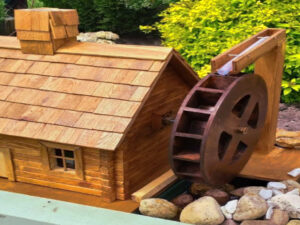
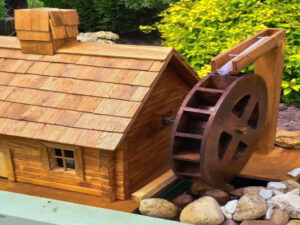
The mills along the Schöps and Lusatian Neisse rivers are among the most impressive witnesses to an era in which working with water and wind power formed the basis for supplying people with vital flour and other products. These structures, which stood in many places along the rivers, were more than just technical facilities. They were an integral partof daily life, a connection between nature, craftsmanship and community. The development of the mills reflects the change from medieval crafts to the industrial revolution and shows how closely the lives of people were connected to natural resources. Today the former mills stand as historical monuments and lively memories of aPast time that still exerts its fascination. Their construction, their function and the stories surrounding them make it an important part of the cultural heritage of the region and the entire Lusatia.
The role of mills in everyday historical life
In a time when there were no modern factories and automated production facilities, mills were indispensable. They made sure that grain was processed into flour, which in turn was the basis for the daily bread. Without these facilities, the population’s food would have been significantly impaired. The mills were in strategically favorable places, mostly on riversOr streams that led enough water to drive the mill wheels. A distinction was made between water and windmills. Water-driven mills used the power of flowing waters to set the grinding wheel in motion, while windmills relied on the power of the wind to turn their wings. These mills were usually found in the villages or on the outskirts of the cities,Wherever there was enough water or wind. They were often part of a larger economic and community structure that had a significant impact on people’s daily lives. The mills were not only workplaces, but also social meeting places, places of work and sometimes even centers for the exchange of news and news. Many mills were over generationsfamily-owned and were cared for and preserved with great effort.
The variety of mills and their types of construction
Mills have been distinguished over the centuries according to various criteria. In addition to their type of drive, i.e. water or wind power, their construction and affiliation to certain institutions also played a role. There were mills that served as castle mills because they were part of a fortified complex, others were monastery mills that were operated within monastery grounds,Still others were council mills that were responsible for supplying the city. The construction varies depending on the region and technical development. Some mills were simple wooden structures, while others were impressive stone buildings with complex water wheel or wing arrangements. The mills were also often affected by a so-called compulsory grinding, which meant that the farmers in acertain region were obliged to have their grain grinded in the respective mill. There were also so-called mill peacees, which regulated the use of the mills and prevented disputes between the miller families or the users. Over the centuries, the mills have been rebuilt, modernized and adapted to the respective technical standards again and again. They were places,where craftsmanship, technology and community came together and played an important role in rural and urban life. The old stories, legends and legends surrounding the mills tell of mystical beings, superstitions and the superstitious notions of the people who saw their mills as magical or protective places.
The profession of miller and his varied tasks
The milling profession has been a demanding and varied job for many centuries. It was not just about grinding grain, but rather a series of complex tasks that required craftsmanship, technical understanding and a lot of experience. A miller was not responsible for the operation and maintenance of the mill, but also for repairing them in the event ofdamage. He had to be able to maintain the systems himself, which required manual skills and technical knowledge. In addition, the miller often took over haulage services, in which he transported grain to the surrounding villages and towns with donkeys or other draft animals. The mobility and flexibility of the miller was required to supply theensure population. In addition to the classic grain mills, there were also numerous other types of mills. There were sawmills in which wood was processed, paper mills that made the raw material on paper, grinding mills for various workpieces and bone mills that processed bones into bone meal. The profession of the miller was therefore extremely diverse, characterized byCraftsmanship, technical knowledge and a close connection to the community that was dependent on the supply of vital goods. The miller was an important player in rural and urban economic life and made a significant contribution to the development of the region.
The demise of the mills and modern wind power technology
With the increasing industrialization and technical progress in the late 19th century, a phase of gradual decline began for the old mills. The ever-increasing use of mechanical drives, which were used in factories and later also in power plants, made the traditional water mills and windmills increasingly obsolete. the mechanical efficiency and theGreater performance of modern machines meant that many old mills were shut down or demolished. However, the romantic idea of the miller and his work remained alive in the minds of the people. The fascination for the old mills and the memory of a time when crafts still played a major role in everyday life is still alive today. In recent decadesthe tradition of windmills revived in a modern form. Today it is the wind turbines that are reminiscent of the old wing mills but are geared towards sustainable energy production. These plants use the power of the wind to generate electricity and are a symbol of technical progress that combines ancient romance and crafts. You stand for oneSustainable future and at the same time preserve the memory of the historic mills, which once formed the backbone of supply and craftsmanship in the region.
The importance of the mills for the Lusatia
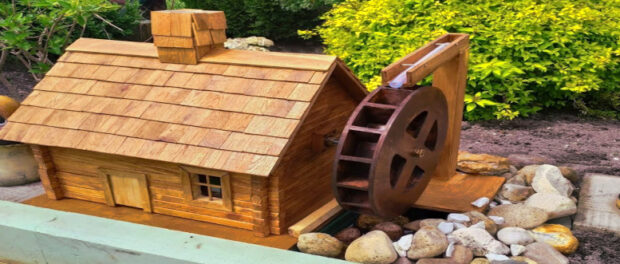
The mills along the Schöps and Lusatian Neisse rivers are far more than just old buildings. They are an important part of the cultural heritage of Lusatia, a region characterized by its diverse history and its eventful development. The old mills reflect the economic importance of the region, which was once dependent on the use of natural resources,to ensure the survival of the population. They are witnesses to a time when working with water and wind power played a central role and people depended on nature to secure their existence. The mills are also symbols of artisan art, technical knowledge and community that have grown over generations in Lusatia. You contribute toidentity of the region and are an important starting point for the awareness of one’s own history. The old buildings still attract many tourists, history lovers and locals who want to feel the atmosphere of bygone times. They are a living testimony to the historical development of Lusatia and help to keep the cultural heritage alive.The importance of the mills for Lusatia goes beyond its technical function and is deeply embedded in the identity and awareness of the people living in this region.

 Screenshot youtube.com