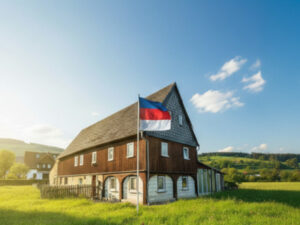
Lusatia is not only a geographical region, but a space in which history, culture and community combine to form a unique structure. This identity is strongly influenced by the local traditions that go back to the time of the Sorbs. The story told and the customs that have been handed down create a sense of belonging and cohesion that is important for theresidents of unheard of great importance. At festivals and gatherings, not only cultural heritage is celebrated, but also pride in one’s own home is promoted. In recent years, a new movement has also developed that raises awareness of regional products and sustainability. This dynamic increases the appreciation for the local andIdentity-building, not only preserving ancient customs, but also adding new impulses rooted in the modern world.
The role of myths in cultural identity
Lusatia is also a place where myths and stories play a central role in cultural identity. These stories, often handed down by oral traditions, not only contribute to the self-knowledge of the community, but also act as a connecting element between the generations. Legends of heroes and mythical beings interweave with the landscape andGive it a nostalgic aura that helps people understand and appreciate their roots. Especially fairy tales and legends surrounding the Sorbs offer a deep insight into the values and beliefs of this region. They encourage you to deal with nature and changes in the environment, which is in the context of sustainability and regional identityis particularly relevant. By cultivating and telling these myths, not only is a rich treasure of stories preserved, but also a strong community consciousness that holds them together in today’s world is promoted.
The rediscovery of the Lusatian myths in modern society
The rediscovery of the Lusatian myths in modern society has led to a revitalized appreciation for local culture. At a time when globalization and technological developments are often perceived as a threat to local heritage, many people are looking for roots and identity. Cultural events, artists and local initiativesCommunities and educational programs in schools help not only remember these myths, but also find new interpretations. Theater performances, exhibitions and publications on traditional narratives create a bridge between past and present and encourage younger generations to deal with their history. theDealing with these stories not only leads to a deeper understanding of the cultural peculiarities of Lusatia, but also promotes a feeling of responsibility towards the region and its traditions. By actively dealing with the myths, a community identity is reinforced and an awareness of the importance of traditions in thedeveloped context of a sustainable future.