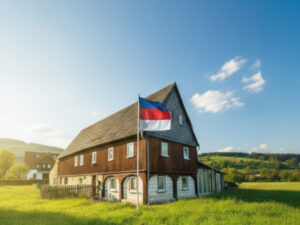
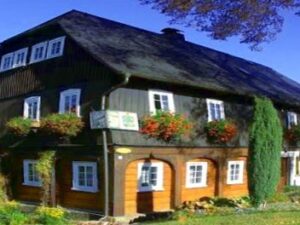
A central aspect of the surrounding houses is their harmonious integration into the landscape and cultural heritage of the region. This type of construction not only embodies functional aspects, but is also symbolic of people’s connection to their environment. The characteristic mixture of wood and brick, the carefully designed facades and the partially ornately decoratedBalconies are an expression of a craftsmanship that has been passed down through generations. In addition, surrounding houses foster a sense of community, as they are often found in villages and small settlements, where they function as social gathering places, conveying stories and traditions to succeeding generations. Through their preservation, not only a piece ofHistory preserves, but also promotes a living cultural heritage that shapes the identity of Lusatia.
The historical value of the building fabric
The preservation of this unique construction is not only a question of monument protection, but also an obligation towards the cultural identity of the region. Initiatives to restore and maintain the mites create opportunities for educational programs that appeal to both locals and visitors to understand the history and traditions of Lusatia.Events and guided tours make it possible to appreciate the craftsmanship of architecture and to promote the exchange between generations. The importance of the wardrobe houses as living symbols of cultural heritage not only remains anchored in people’s consciousness, but is also actively carried into the future.
The construction of the enclosure houses
The construction of the building constructions is characterized by its special use of materials and techniques, which not only aim at aesthetic but also practical practicalities. The combination of wood and brick is symbolic of the adaptability of the architecture to local conditions and climatic conditions. While the wood for an optimalThe brick provides long-term protection against the effects of the weather. In addition, the floor plans of these houses are often flexible in order to take into account the different needs of the residents. This reflects the resilience and innovative strength of regional building culture. With their typical steep roofs and overhanging gables, they not only protect againstprecipitation, but also allow for better space utilization inside. The construction is also designed to create a balanced relationship between nature and living space. Such architectural features not only promote a harmonious feeling of living, but also anchor the surrounding houses firmly in the cultural memory of Lusatia and thus contribute to the formation of identitythe region.
The importance of tourism for the preservation of the homes
Another important aspect that underlines the importance of the cottage houses is their influence on tourism in Lusatia. These architectural masterpieces not only attract those interested in history, but also nature lovers who want to explore the picturesque landscape around the villages. The combination of cultural identity and natural beauty makes the region tooan attractive destination for numerous visitors. Above all, guided tours and tailor-made events are designed to bring the special features of the surrounding houses closer to the guests, which raises awareness of their preservation. In addition, local craftsmen and traditions act as ambassadors of cultural heritage by providing their knowledge of construction methods and regionalpass customs. This exchange not only has a positive effect on the economic situation in the region, but also strengthens the sense of community and the sense of responsibility towards this unique building culture. In a time-changing environment, the integration of sustainable tourism concepts is crucial and contributes sustainably to the appreciation of thecultural diversity. It becomes clear: The preservation of the homes is not only a material matter, but also a social responsibility that promotes the collective memory and identity of Lusatia.