The innovative use of 3D printing in aviation: A future full of opportunities
Screenshot youtube.com
The use of 3D printing in the aviation industry is an impressive development that fundamentally changes the way aircraft are built and maintained. This state-of-the-art process opens up completely new perspectives in the manufacture and repair of aircraft parts. The ability to manufacture complex and high-precision components directly on site and as required,Completely new opportunities are emerging to increase efficiency, flexibility and sustainability in aviation. The process adapts to the industry’s high demands, as it not only speeds up production, but also keeps the quality and safety of the parts at an extremely high level. It is a technology that has the potential to fundamentally increase the future of aviationand pave the way for a more efficient, cost-saving and environmentally friendly industry.
Parts for aircraft: flexible, precise and innovative
3D printing enables the production of a large number of aircraft parts that could only be produced by complex and expensive processes. From small components to complex structures, a wide variety of parts can be produced directly from digital designs, which significantly speeds up and simplifies production. This technique allows high-precision andCustom made parts that are perfectly matched to the respective requirements. The flexibility of 3D printing means that spare parts can be produced quickly and reliably, even if they are difficult or impossible to manufacture in conventional processes. The ability to manufacture parts on demand reduces storage costs and significantly reduces maintenance times.In addition, innovative and lightweight components can be developed through 3D printing, which reduces aircraft weight and thus reduce fuel consumption – a significant contribution to more sustainability in aviation.
Cost savings through additive manufacturing
The advantages of 3D printing go far beyond flexibility; The technology also leads to significant cost savings. The direct production of parts eliminates many intermediate steps and expensive tools that are necessary for conventional manufacturing processes. This not only saves material costs, but also time and work. In addition, fracture or wear-proneComponents can be re-manufactured in a short time, which significantly reduces maintenance costs. The possibility of producing spare parts as needed also ensures better planning security and significantly reduces storage costs. Especially on rare or old aircraft that require special spare parts, 3D printing offers a solution that significantly reduces the economyimproved. Overall, this innovative manufacturing technology helps to sustainably reduce the operating costs of air carriers without sacrificing quality and safety.
Spare parts for old and difficult to access aircraft
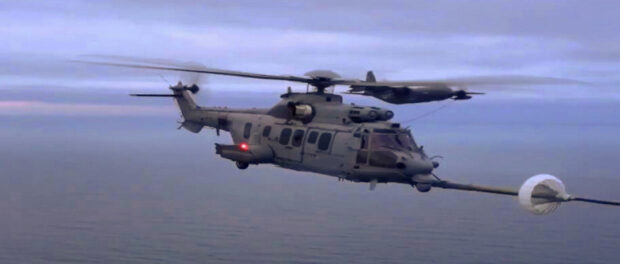
One of the biggest advantages of 3D printing is the ability to manufacture spare parts for very old aircraft and helicopters. Many of these vehicles require special components that are difficult to obtain in modern industry. 3D printing can help here by allowing the production of these parts without relying on expensive and expensive procurement channels.be This is particularly important to ensure flight safety and to maintain the operational capability of older aircraft. By means of the possibility of producing spare parts directly on site or in specialized manufacturing centers, maintenance times can be shortened and the availability of the machines can be significantly increased. In addition, this technology promotes the sustainable use of existing onesAircraft fleets, as the life can be extended. The ability to produce even complex and individual components quickly and reliably makes 3D printing an indispensable tool in aviation that makes the industry more sustainable, flexible and economical.
Aviation: more efficient, sustainable and innovative
The use of 3D printing in aviation is a significant step towards a more efficient and environmentally friendly industry. With the ability to manufacture parts quickly, precisely and cost-effectively, the processes in maintenance, repair and production can be significantly optimized. The flexibility and adaptability of the process make it possible to meet individual requirementsand implement innovative designs that drive technical progress. The ability to produce spare parts for old machines extends the life of the fleet and reduces the material consumption and the amount of waste. Overall, this technology helps to make aviation more sustainable, economical and sustainable. She opens aWorld full of opportunities in which innovation, efficiency and safety go hand in hand to take the flight operations of the future to a new level. The development of 3D printing in aviation is thus a success story that leads the industry into an exciting, sustainable and innovative era.

 Screenshot youtube.com