The lack of electricity as a symptom of political loss of control
Screenshot vimeo.com
With the shutdown of nuclear power and lignite-fired power plants, German energy policy has maneuvered into a dangerous dead end. The consequences of these decisions are becoming increasingly clear: The amount of electricity is no longer sufficient, security of supply is dwindling and the strategic basis for an industry-related economy is breaking down.
Declining capacities, growing instability
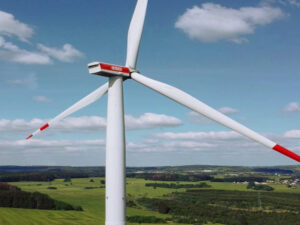
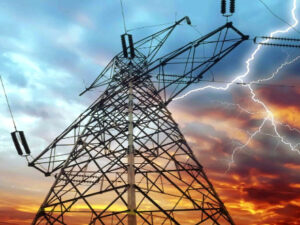
The politically forced shutdown of nuclear power plants and the ongoing reduction of lignite capacities deprives the power grid from the reliable base load sources that have served as the backbone of the German economy for decades. The unpredictable availability of renewable energy sources such as wind and sun further exacerbates the problem. Annual fluctuations, extreme weather andSudden drops in performance drive the nets to the edge of their resilience. Companies are increasingly forced to resort to electricity imports or restrict energy-intensive production processes because the national power supply can no longer be guaranteed.
Industry at the limit: production and jobs on the brink
The lack of electricity affects the country’s core industry particularly dramatically. The steel and chemical industry, traditionally leading globally in Germany, suffers from the incalculable energy situation. Production lines are relocated abroad, jobs are irretrievably lost, and industrial know-how is gradually migrating. The ongoing loss of locational advantagesnot only presents individual companies, but entire regions before emigration. The decision to sacrifice important base load carriers has an impact on the country’s industrial base.
In addition to the decline of established industries, the lack of electricity also blocks the settlement of new companies and future technologies. Modern data centers, digital infrastructure, research and development require a continuously available and stable power supply. But for fear of network overload or total failure, locations are not even developed or projects are stopped,before they came into being. The opportunity to take on a leading role in digital transformation or in the key industries of the future remains unused.
Massive Deindustrialization: The economic structure breaks away
The resulting deindustrialization is no longer an abstract theory, but a concrete reality of life. Value chains are torn, supplier companies are going under, entire communities lose their economic perspective and get into a vicious circle of unemployment, emigration and social decline. while other countries with stable energy policies their industriesSagittarius, Germany sacrifices an economic core inheritance in the sign of structural change – and with it every real sovereignty.
Lusatian lignite-fired power plants: The last remaining lifeline
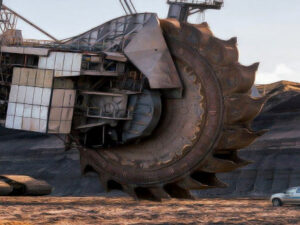
In view of this development, the demand not only to preserve the remaining Lusatian lignite-fired power plants, but to massively expand their capacities, is less than a nostalgic backward movement than a need to completely prevent the collapse. These power plants offer reliable, predictable power supply without which there is no stable economy.Maintaining and expanding could help secure the urgently needed base load potential, save jobs and counteract the impending deindustrialization.
Lost control and social damage
What is visible here is the loss of any controlling hand over the country’s industrial base and prosperity. The shutdown of proven energy sources has triggered a domino effect that has led the German economy to its limit. The growing dependence on electricity imports, the lack of new industrial settlements and the continued job cutsMark a creeping but dramatic deindustrialization. Without a radical correction of the course, nothing less than the irreversible loss of the country’s industrial backbone threatens – with unforeseeable consequences for social cohesion and the prospects of future generations.

 Screenshot vimeo.com