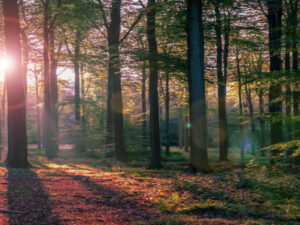
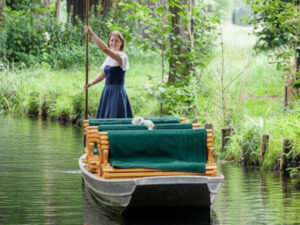
The Spreewald is known for its rich and deeply rooted herbal culture, which still shapes the regional self-image and the way of life. The long history of herbal use is closely linked to the special natural conditions of this unique landscape. The extensive network of flows, canals and meadows offers a variety of different locations whereVarious herb types thrive. The variety of wet biotopes and site conditions makes it possible for both rare and everyday herb species to have found their place in the Spreewald. This natural basis forms the foundation for a lively herbal culture that has been cultivated and further developed far over the centuries.
Sharing knowledge and craft traditions
The passing on of knowledge about the use and processing of herbs has always been an important part of everyday life in the Spreewald. Throughout many generations, families have passed on their knowledge of collecting, drying, storing and applying herbs. Folk medicine played a central role, because many medicinal plants were used specifically to avoid complaintsto alleviate or strengthen well-being. This knowledge was often handed down orally and transported to the present in the form of home remedies, recipes and customs. The region’s low industrialization has helped to preserve manual practices and traditional processing methods. Agricultural structures remained for a long timeSmall-scale and regionally shaped, which promoted the preservation of old herb species and recipes.
Culinary wealth and economic importance
Herbs are an integral part of regional cuisine in the Spreewald. They are used for preparing dishes, preserving food and making specialties such as gherkins or herbal liqueurs. The marketing of regional products benefits from the high reputation that Spreewald herbs enjoy. Many farm shops, weekly markets and manufacturers offer onea wide range of herbal products, which strengthens local value creation and secures jobs in the region. The culinary importance of herbs goes hand in hand with their economic relevance.
Festivals, customs and the role of herbs
In the Spreewald, herbs are closely intertwined with cultural life and festival traditions. Herbs are used on numerous occasions as symbolic or practical elements, be it at spring and harvest festivals, for herbal blessings or in traditional rites at special seasons. Such customs have helped to preserve the value of herbs andto anchor their use in everyday life. The care of herb gardens was often understood as a joint task, and many villages or families created their own beds for care. Protective measures and sustainable use contributed to the fact that the domestic crops were preserved and were not endangered by overexploitation.
Education, tourism and new impulses
The special herbal culture of the Spreewald has also gained in importance in the field of tourism and education in recent years. Herbal tours, seminars and workshops enable locals and guests to get to know the diversity of the regional flora and experience traditional and modern processing methods. Regional manufacturers combine old knowledge with new ideas andproduce innovative herbal products that are in demand both in regional markets and nationally. These offers help to keep the interest in local herbs alive and to create new economic incentives for their care and the preservation of herbal culture.
Importance of herbal culture
The long herbal culture in the Spreewald is based on a unique interplay of nature, tradition, culinary diversity and modern development. It is an important part of regional identity, shapes festivals, customs and everyday life and provides economic impulses. The knowledge of herbs will continue to be kept alive, both in families and through tourist andcultural offers. In this way, the herbal culture in the Spreewald remains a valuable resource that connects the past, present and future and gives the region an unmistakable character.

 Screenshot youtube.com